Press Enquiries
Please direct all press enquiries and image requests to museum@nus.edu.sg.
In The Spotlight
A living legacy: the NUS Baba House as an architectural and cultural learning tool
In November 2019, The NUS Baba House was featured in a video supplement as part of the Urban Redevelopment Authority of Singapore’s (URA) newly-launched exhibition 30 Years of Conservation, which celebrates the milestones since their conservation programme began in 1989.
The video, titled The NUS Baba House: A Precious Jewel, features interviews with honorary curator of the house, Mr. Peter Lee, and senior lecturer at the NUS Department of Architecture, Dr Nikhil Joshi. Both individuals have been extensively involved in various parts of the conservation process. Peter managed the curatorial aspects during restoration and currently continues to do so in a consultative capacity, while Dr. Nikhil has been researching traditional building materials used in the house since 2016. The video gathers their thoughts about conservation within the NUS Baba House, and the importance of retaining rare architectural and cultural features in a wider context.
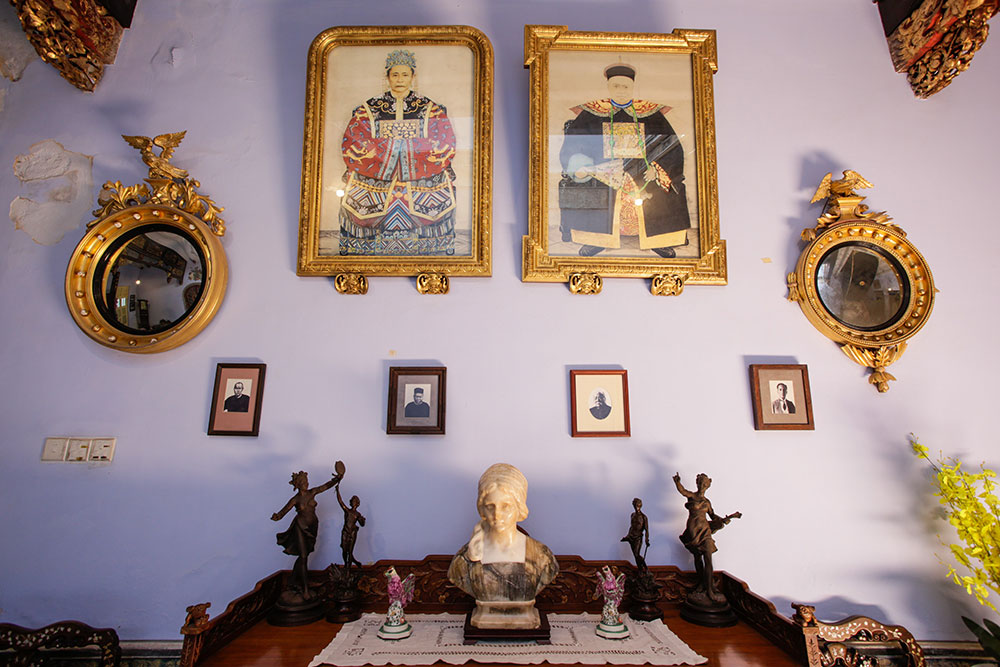
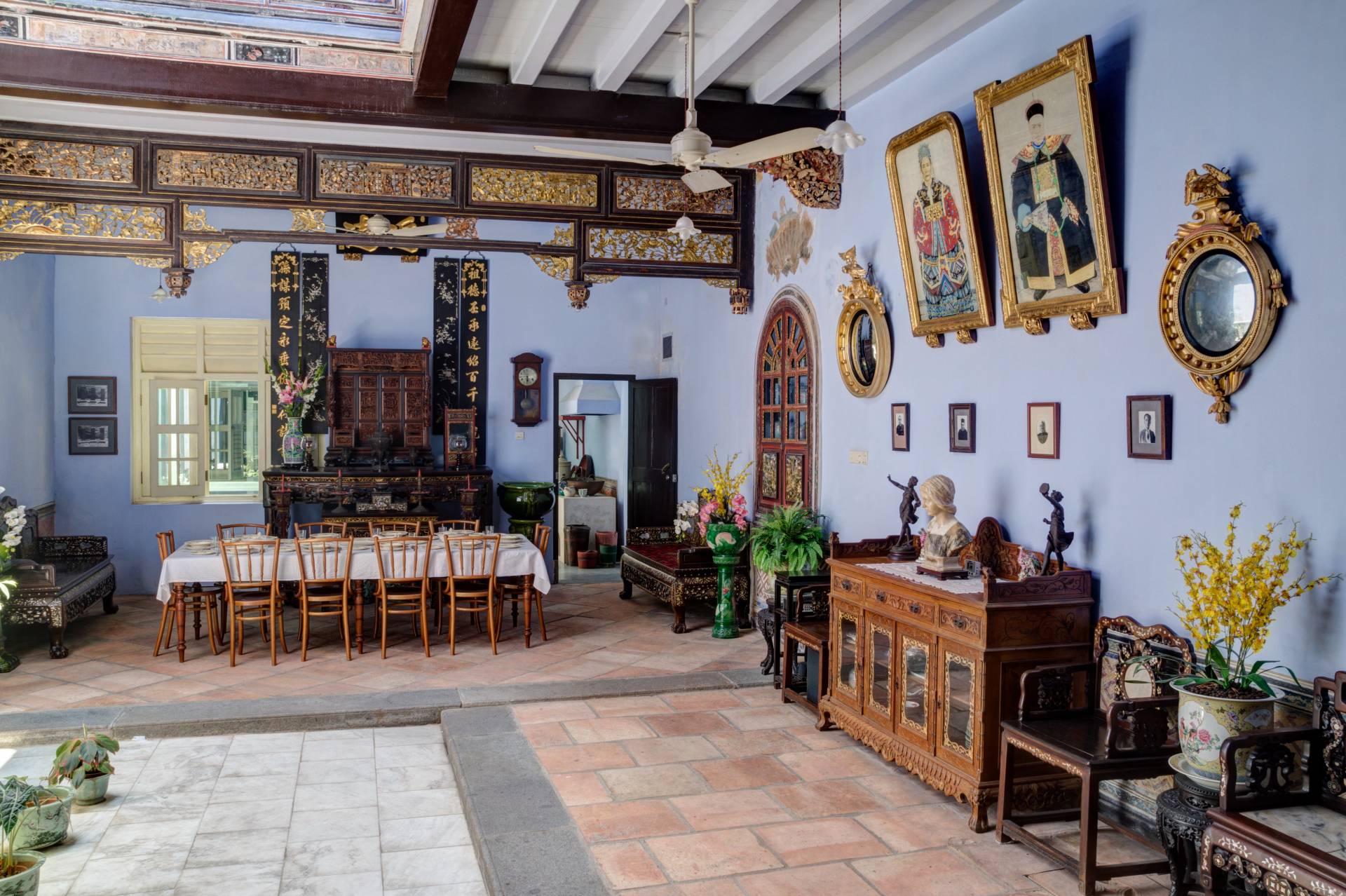
The focus on conservation practices helps situate the NUS Baba House within contemporary urban issues, rather than as a silo of the past. Built in the 1890s, the NUS Baba House at 157 Neil Road was originally the ancestral home of a Peranakan family – the Wees, who descended from shipping magnate Wee Bin. The house was acquired by NUS in 2006 with funds donated by Ms. Agnes Tan in memory of her late father and Malaysian community leader Tun Tan Cheng Lock. Now a heritage home curated to the year 1928, the NUS Baba House displays objects typical of a Peranakan home of the period, contextualising Peranakan Chinese material culture, aesthetics, social history, and architecture within a domestic setting.
What sets NUS Baba House apart from the ordinary heritage house, however, is that apart from the artefacts contained within the house, it is also the processes within it, rather than just the final product, which provide valuable learning material to students and the wider public.
Peter Lee emphasises the need for authenticity in curation and construction in the URA feature. “The biggest challenge for the project was to maintain a level of authenticity for the visitor experience as well as the building. To try and keep it as real as possible and not fictionalise our story.” As such, a key source of information was a set of photos of the house from the 1960s taken by Lee Kip Lin, which gave an idea of how the spaces were used and furnished by the family in the past.
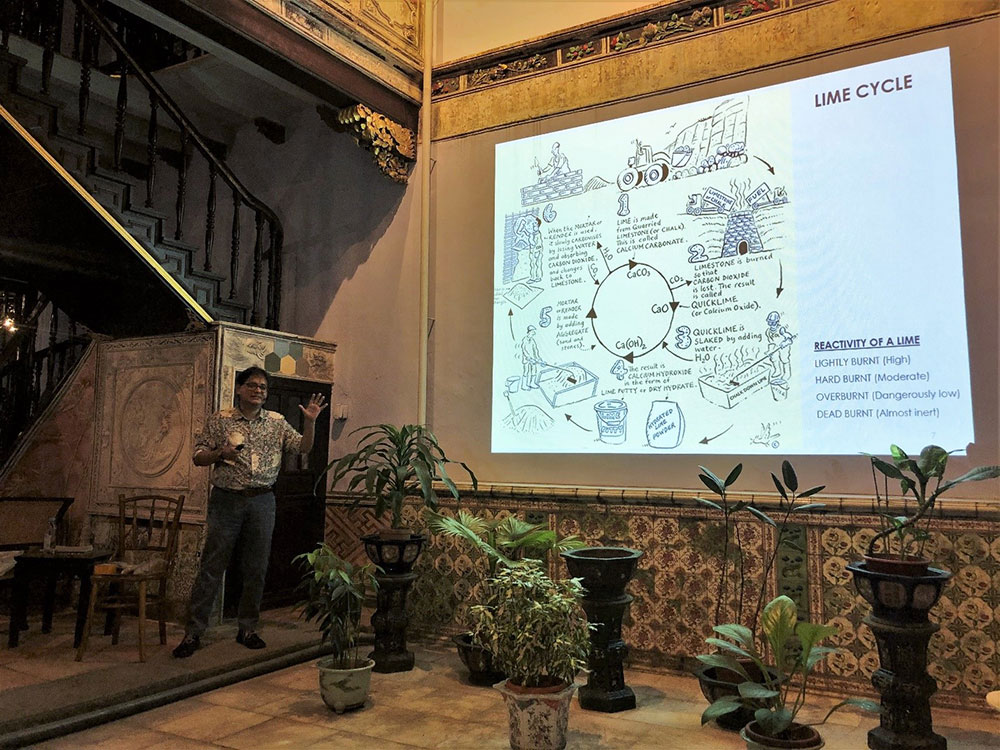
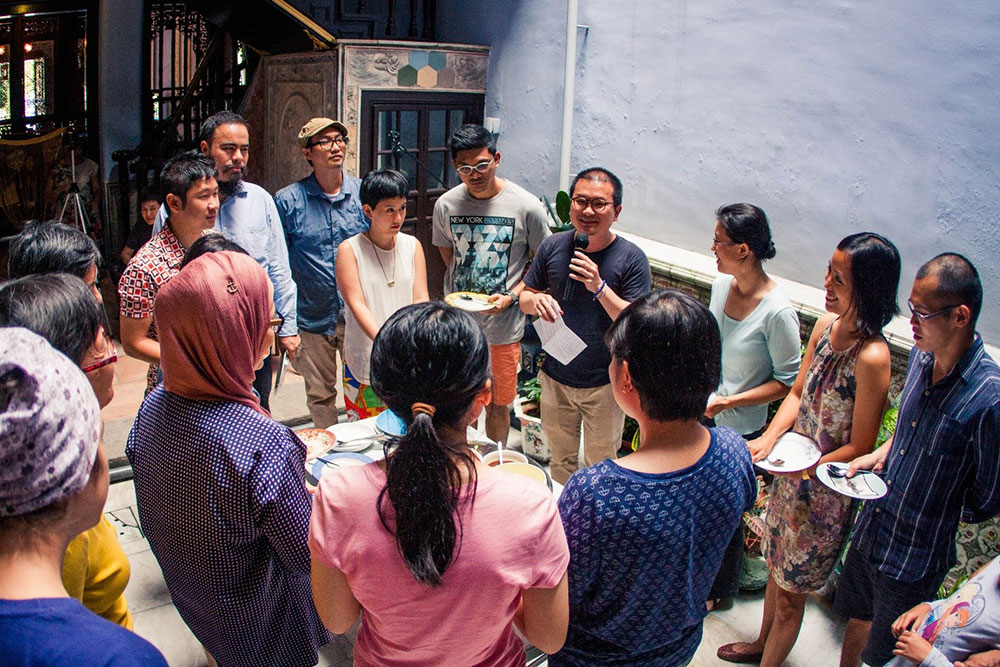
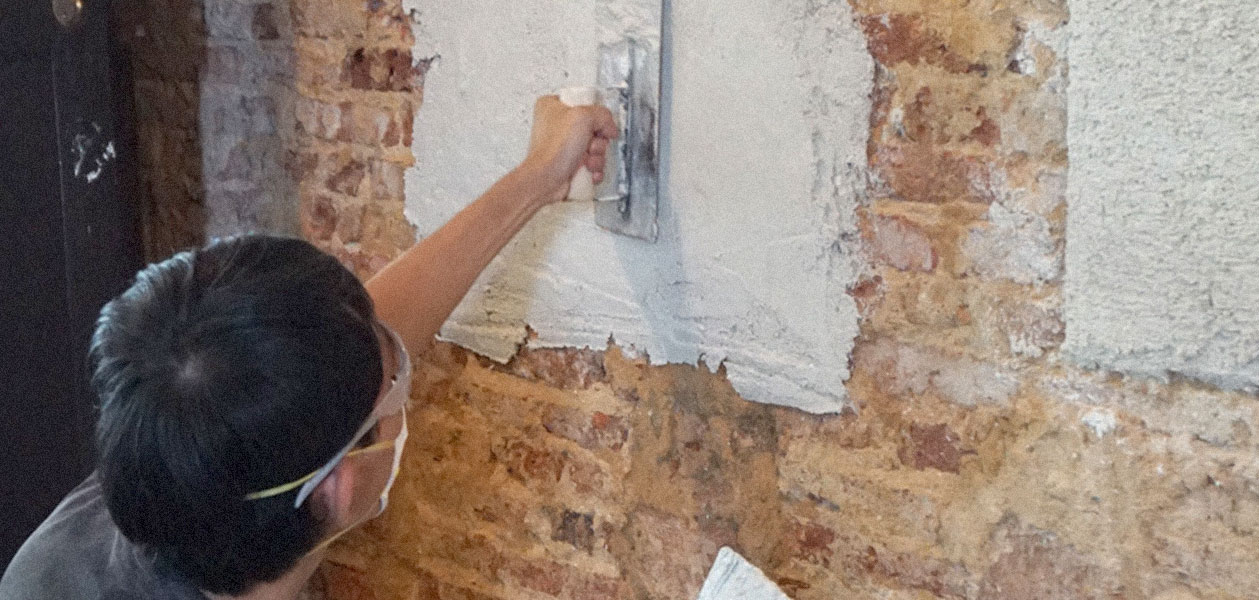
Additionally, in the past year, the NUS Baba House has been focusing more than ever on contemporary issues as part of its programming. It hosted a lecture on the traditional building material of lime plaster, conducted by Dr. Nikhil Joshi; it was a stop on Architours – a programme organised by NUS Architecture Society, where participants were brought to sites that exemplified the meaning of artisanal craftsmanship; and it also became a classroom for different educational groups to learn not just about Peranakan culture, but to investigate themes of cultural hybridity, the dynamism of transnational relations such as the concept of Chineseness, as well as concepts behind curation, conservation, and architectural restoration.
Even its closure for two weeks for maintenance works this past December afforded the NUS Baba House the opportunity to introduce guests and students to the important and often delicate work behind restoring and maintaining a heritage house.
Outside of being a model of Peranakan life in the 1920s, therefore, this house has cemented its title as a living research project. New information regarding building materials and restoration techniques are being discovered at each turn, allowing this space to be a dynamic one that revisits 20th century issues and contextualises them within the contemporary sphere.
The reopening of the NUS Baba House to the public enables it to continue encouraging students and the public to critically engage with culture, heritage, and conservation.
~
English guided tours are offered once per day from Tuesdays to Fridays at 10am, while self-guided visits are available at four timeslots on Saturdays.
18 November 2025
16 May 2025
NUS Baba House to undergo two years of conservation works
Enthusiasts can look forward to a slate of programmes ahead of and during the temporary closure.
6 October 2023
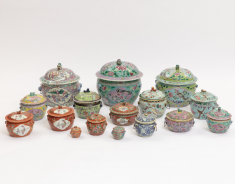
NUS Museum receives largest-ever donation of Straits Chinese artefacts
"Collected by Mrs Alice Tan over a 30-year period, the donated artefacts will contribute to a deeper study of the impact of Straits Chinese culture in Singapore and the region, and provide broadened avenues for interdisciplinary collaborations."
15 August 2023
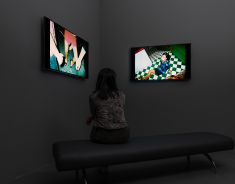
From personal photo collection to exhibition: NUS Museum's latest showcase features visual narratives by 9 members of the NUS community
Titled Photography Journal Open Call (PJOC), the exhibition presents an eclectic collection of photographic works by nine NUS students, alumni artists and academic staff.
12 April 2021
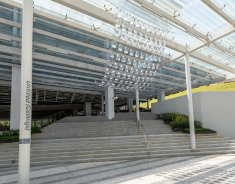
Nurturing a creative campus through public art advocacy
The Public Art Initiative was launched to underscore NUS’ commitment to deepening the role of public art in holistic, interdisciplinary and broad-based education.

8 October 2019
October at the NUS Museum: between war and the artist, art and the tropics
This October, NUS Museum unveils two new exhibitions surveying the art historical in the region from distinct positions.

31 May 2019
New exhibition from Gilles Massot to be unveiled at NUS Museum
“…you have to lose your way to find yourself in the right place” presents the works of Singapore-based French artist, Gilles Massot. Featuring a selection of photographs, videos, sketches and writings from his extensive corpus of works.

14 February 2019
Glossaries of the Straits Chinese Homemaking
Following eleven years of giving glimpses of a Peranakan family’s domestic life in the early 20th century, NUS Baba House presents the exhibition Glossaries of the Straits Chinese Homemaking.
22 March 2018
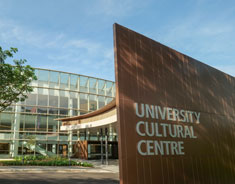
NUS' cultural icon refreshed for a new generation
The University Cultural Centre's first major renovation improves the high standard of guest comfort, efficiency and production possibilities.
3 February 2017
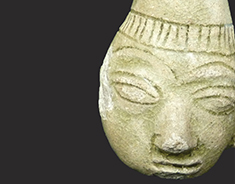
Exhibition: From the Ashes: Reviving Myanmar Celadon Ceramics
NUS Museum presents ongoing attempts to revive the technology of making ash-glazed ceramics in Myanmar.

23 November 2016
Exhibition: Between the brush lines of Lim Tze Peng
Solo exhibition at NUS Museum considers 70-year oeuvre of Singapore's oldest living artist.

1 November 2016
Book Launch: NUS Baba House launches inaugural guidebook
From architecture to social history, book reveals the myriad facets of Singapore's only restored Straits Chinese family home.
21 October 2016
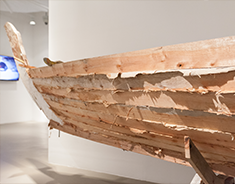
Exhibition: Looking within - What makes an exhibition?
NUS Museum presents exhibition introspecting into curatorial impulses and the exhibitionary medium.
1 July 2016
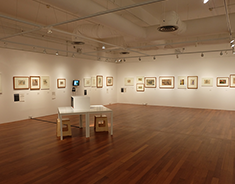
Exhibition: "Who wants to remember a war?"
NUS Museum draws on war posters, woodcuts and drawings to explore contemporary narratives of the Vietnam War.

10 May 2016
Award: NUS Museum wins inaugural award for innovative museological practice
International Committee of University Museums and Collections recognises efforts to facilitate conversation between audiences and exhibitions.
14 April 2016
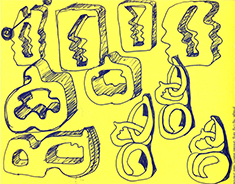
Exhibition: Figuring Ng Eng Teng
NUS Museum reveals unstudied elements and works from the late Cultural Medallion recipient’s practice.
Student Voices
A living legacy: the NUS Baba House as an architectural and cultural learning tool
In November 2019, The NUS Baba House was featured in a video supplement as part of the Urban Redevelopment Authority of Singapore’s (URA) newly-launched exhibition 30 Years of Conservation, which celebrates the milestones since their conservation programme began in 1989.
The video, titled The NUS Baba House: A Precious Jewel, features interviews with honorary curator of the house, Mr. Peter Lee, and senior lecturer at the NUS Department of Architecture, Dr Nikhil Joshi. Both individuals have been extensively involved in various parts of the conservation process. Peter managed the curatorial aspects during restoration and currently continues to do so in a consultative capacity, while Dr. Nikhil has been researching traditional building materials used in the house since 2016. The video gathers their thoughts about conservation within the NUS Baba House, and the importance of retaining rare architectural and cultural features in a wider context.
The focus on conservation practices helps situate the NUS Baba House within contemporary urban issues, rather than as a silo of the past. Built in the 1890s, the NUS Baba House at 157 Neil Road was originally the ancestral home of a Peranakan family – the Wees, who descended from shipping magnate Wee Bin. The house was acquired by NUS in 2006 with funds donated by Ms. Agnes Tan in memory of her late father and Malaysian community leader Tun Tan Cheng Lock. Now a heritage home curated to the year 1928, the NUS Baba House displays objects typical of a Peranakan home of the period, contextualising Peranakan Chinese material culture, aesthetics, social history, and architecture within a domestic setting.
What sets NUS Baba House apart from the ordinary heritage house, however, is that apart from the artefacts contained within the house, it is also the processes within it, rather than just the final product, which provide valuable learning material to students and the wider public.
Peter Lee emphasises the need for authenticity in curation and construction in the URA feature. “The biggest challenge for the project was to maintain a level of authenticity for the visitor experience as well as the building. To try and keep it as real as possible and not fictionalise our story.” As such, a key source of information was a set of photos of the house from the 1960s taken by Lee Kip Lin, which gave an idea of how the spaces were used and furnished by the family in the past.
Additionally, in the past year, the NUS Baba House has been focusing more than ever on contemporary issues as part of its programming. It hosted a lecture on the traditional building material of lime plaster, conducted by Dr. Nikhil Joshi; it was a stop on Architours – a programme organised by NUS Architecture Society, where participants were brought to sites that exemplified the meaning of artisanal craftsmanship; and it also became a classroom for different educational groups to learn not just about Peranakan culture, but to investigate themes of cultural hybridity, the dynamism of transnational relations such as the concept of Chineseness, as well as concepts behind curation, conservation, and architectural restoration.
Even its closure for two weeks for maintenance works this past December afforded the NUS Baba House the opportunity to introduce guests and students to the important and often delicate work behind restoring and maintaining a heritage house.
Outside of being a model of Peranakan life in the 1920s, therefore, this house has cemented its title as a living research project. New information regarding building materials and restoration techniques are being discovered at each turn, allowing this space to be a dynamic one that revisits 20th century issues and contextualises them within the contemporary sphere.
The reopening of the NUS Baba House to the public enables it to continue encouraging students and the public to critically engage with culture, heritage, and conservation.
~
English guided tours are offered once per day from Tuesdays to Fridays at 10am, while self-guided visits are available at four timeslots on Saturdays.


News
18 November 2025
16 May 2025
NUS Baba House to undergo two years of conservation works
Enthusiasts can look forward to a slate of programmes ahead of and during the temporary closure.
6 October 2023
NUS Museum receives largest-ever donation of Straits Chinese artefacts
"Collected by Mrs Alice Tan over a 30-year period, the donated artefacts will contribute to a deeper study of the impact of Straits Chinese culture in Singapore and the region, and provide broadened avenues for interdisciplinary collaborations."
15 August 2023
From personal photo collection to exhibition: NUS Museum's latest showcase features visual narratives by 9 members of the NUS community
Titled Photography Journal Open Call (PJOC), the exhibition presents an eclectic collection of photographic works by nine NUS students, alumni artists and academic staff.
12 April 2021
Nurturing a creative campus through public art advocacy
The Public Art Initiative was launched to underscore NUS’ commitment to deepening the role of public art in holistic, interdisciplinary and broad-based education.
8 October 2019
October at the NUS Museum: between war and the artist, art and the tropics
This October, NUS Museum unveils two new exhibitions surveying the art historical in the region from distinct positions.
31 May 2019
New exhibition from Gilles Massot to be unveiled at NUS Museum
“…you have to lose your way to find yourself in the right place” presents the works of Singapore-based French artist, Gilles Massot. Featuring a selection of photographs, videos, sketches and writings from his extensive corpus of works.
14 February 2019
Glossaries of the Straits Chinese Homemaking
Following eleven years of giving glimpses of a Peranakan family’s domestic life in the early 20th century, NUS Baba House presents the exhibition Glossaries of the Straits Chinese Homemaking.
22 March 2018
NUS' cultural icon refreshed for a new generation
The University Cultural Centre's first major renovation improves the high standard of guest comfort, efficiency and production possibilities.
3 February 2017
Exhibition: From the Ashes: Reviving Myanmar Celadon Ceramics
NUS Museum presents ongoing attempts to revive the technology of making ash-glazed ceramics in Myanmar.
23 November 2016
Exhibition: Between the brush lines of Lim Tze Peng
Solo exhibition at NUS Museum considers 70-year oeuvre of Singapore's oldest living artist.
1 November 2016
Book Launch: NUS Baba House launches inaugural guidebook
From architecture to social history, book reveals the myriad facets of Singapore's only restored Straits Chinese family home.
21 October 2016
Exhibition: Looking within - What makes an exhibition?
NUS Museum presents exhibition introspecting into curatorial impulses and the exhibitionary medium.
1 July 2016
Exhibition: "Who wants to remember a war?"
NUS Museum draws on war posters, woodcuts and drawings to explore contemporary narratives of the Vietnam War.
10 May 2016
Award: NUS Museum wins inaugural award for innovative museological practice
International Committee of University Museums and Collections recognises efforts to facilitate conversation between audiences and exhibitions.
14 April 2016
Exhibition: Figuring Ng Eng Teng
NUS Museum reveals unstudied elements and works from the late Cultural Medallion recipient’s practice.
Leave a comment