Press Enquiries
Please direct all press enquiries and image requests to museum@nus.edu.sg.
In The Spotlight
Agency in art making and art curation
Comprising over 1,200 artworks, the Ambassador Dato’ N. Parameswaran Collection is one of the largest of its kind outside of Vietnam and its depth and diversity create innumerable lines of inquiry. Through three prior exhibitions NUS Museum has explored the works as a form of documentation of the Vietnamese response to the war (Vietnam 1954-1975), the use of drawing as a medium and how it was used to capture physical nature of life around the battlefields (LINES) and how art was employed in an effort to move beyond the war period by building a new narrative (“Who Wants To Remember A War?”).
In NUS Museum’s fourth and final exhibition drawn from the collection, focus is shifted once again. Wartime Artists of Vietnam specifically engages with concept of an artist’s agency; how they are pulled in multiple directions as war artists and how they reflect the war experience through art.
To mark the opening of this exhibition, we put some of our most pressing questions to the curator, Sung Yunwen.
What unites the artists who are presented in this exhibition?
Many of the Vietnamese artists joined the military and became guerrilla artists in the country’s two resistance wars, for in them throbbed both the patriotic sentiment and the creative impulse. Under extreme conditions of conflict, they negotiated between their dual identities—as both soldier and artist— and mediated between official dictates and their exercise of individual agency.
Some of their works were primarily made to boost morale and honour the people’s struggle during the war, while others were created by the artists’ personal initiatives to depict various facets of everyday activities and portray human relationships in wartime with telling and acute renderings.
These artist-soldiers were by no means passive “cultural manufacturers”. Rather, through their wartime creations, not only did they articulate their individual and collective experiences of war—hence using art as a vehicle for storytelling—but also strove to maintain a sense of creative continuity with their former art training and backgrounds. To fully grasp how these artists managed their obligations and convictions, it is necessary to take both an artistic and biographical approach to examine the ways they modified and mediated their art practices.

NUS Museum is known for the open-ended way it approaches subject matter. Visitors aren’t directly guided through a planned path to engage with the works, but are there any additional cues in this exhibition that provide context or other viewpoints?
Included alongside the artworks are excerpts of poems and memoirs written during or after the wars to explore the significance of individual experience. Further supporting texts related to the exhibited works and the general events regarding armed conflicts and art developments are also provided for visitors to help situate the contexts of the artists’ creations.
Although the entanglement between art and politics is evident in Vietnamese art generated during the era of conflict, it is important to note that many of the artist-soldiers sponsored by the government in Hanoi were also caught in a dilemma between the commitment to “art for art’s sake” and the demand for creating “national art.”
When we focus our attention on these combat artists’ wartime journeys and creations, we cannot help but observe that the stories articulated and visualised through their depictions of the multifarious facets of war are not simply about the merciless onslaught of war machines, about the rigidity of military deployments, or about the tendency to favour stalwart heroism.
Rather, like all great art, their drawings and paintings never hesitate to use immediate circumstances to expose the deeper human condition that persists beneath, namely the enduring sagas of survival and despair, endurance and vulnerability, love and separation, joy and anguish, hope and fear, as well as the unfailing undercurrents of compassion that nevertheless surface in times of war. As ambivalent testimonies of victory and loss, of glory and sorrow, the artworks presented in this exhibition not only express intense emotions and the eternal reminder of the transitory nature of life, but also reveal a subtle range of creative renderings representing the existence of artistic autonomy.

When considering the process of exhibition-making, have you taken any curatorial risks with this exhibition? What is different about how the works have been arranged or presented?
I always believe that as a medium itself, an exhibition at its best should serve as a form of contextualisation for art. In other words, an exhibition is curated to propose questions that leave viewers thinking and to keep it relevant to viewers. In order to find new ways to look at this collection, I proposed several questions during my curatorial process:
- How should we make use of these wartime images in a more thoughtful and insightful way?
- What can we learn from this collection?
- How do we turn these images into meaningful narratives?
For this exhibition, I also proposed questions relating to the entanglement and strong relations between art and politics—can art be understood as a form of political discourse, or can art transcend the political? It would be important and necessary to explore the use of art and the role of artists in time of conflicts, and further delve into the stories behind these wartime images and the feelings/experiences that those artist-soldiers wanted to convey. War is still a recurring phenomenon in today’s international politics. Therefore, the themes of this exhibition make “present” relevant as well. We may gain insights into how past and present interact with one another by viewing these paintings and drawings as “dialectical images”—images of thought—that can be used for challenging viewers’ preconceptions and creating artistic dialogues of the time.
~
This pieces combines direct content from Sung Yunwen and edited excerpts from her curatorial introduction to the exhibition.
Wartime Artists of Vietnam: Drawings and Posters from the Ambassador Dato’ N. Parameswaran Collection is now open and NUS Museum.

18 November 2025
16 May 2025
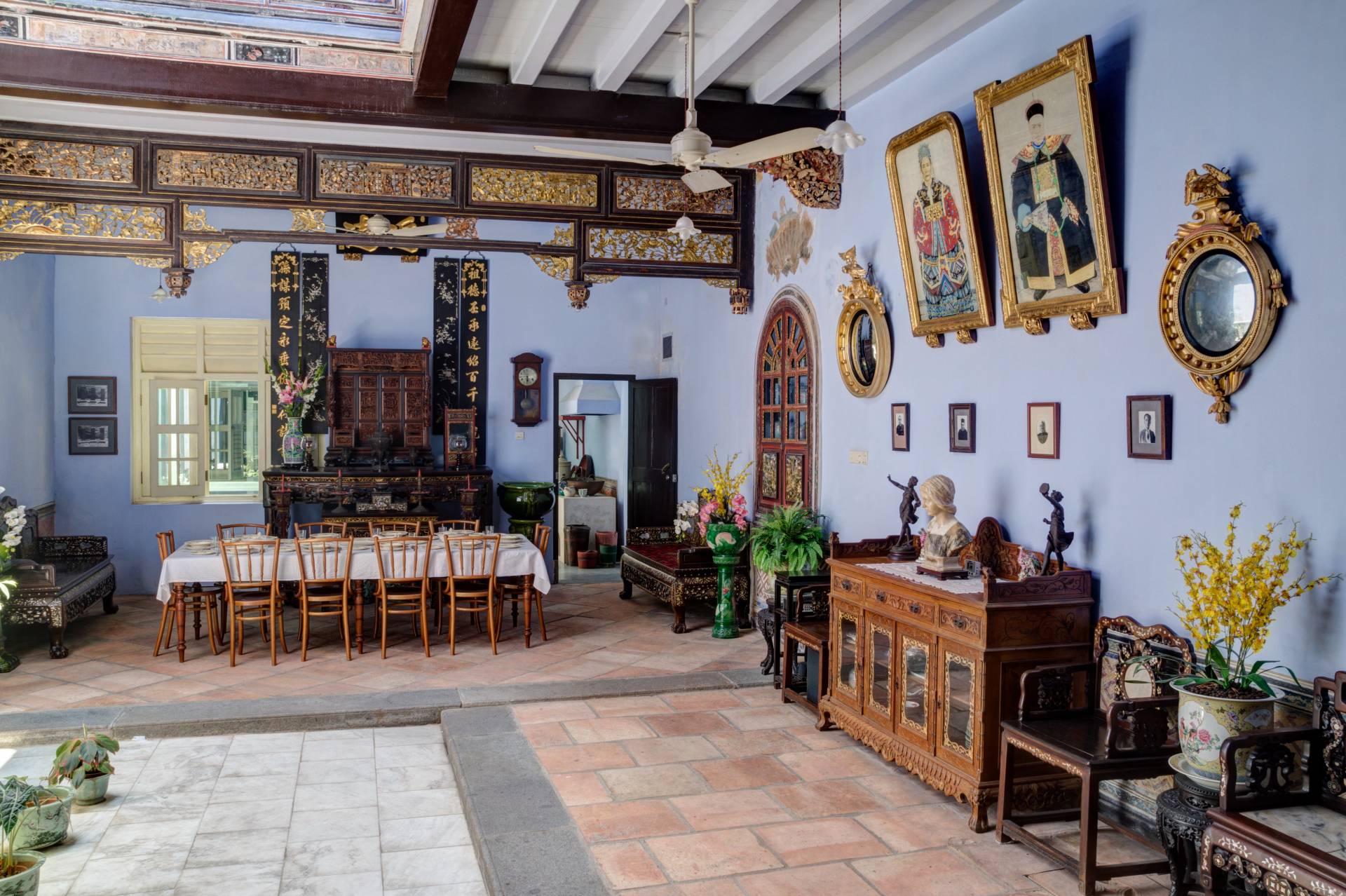
NUS Baba House to undergo two years of conservation works
Enthusiasts can look forward to a slate of programmes ahead of and during the temporary closure.
6 October 2023
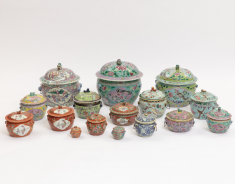
NUS Museum receives largest-ever donation of Straits Chinese artefacts
"Collected by Mrs Alice Tan over a 30-year period, the donated artefacts will contribute to a deeper study of the impact of Straits Chinese culture in Singapore and the region, and provide broadened avenues for interdisciplinary collaborations."
15 August 2023
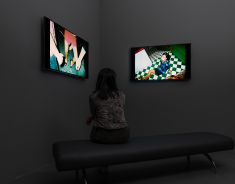
From personal photo collection to exhibition: NUS Museum's latest showcase features visual narratives by 9 members of the NUS community
Titled Photography Journal Open Call (PJOC), the exhibition presents an eclectic collection of photographic works by nine NUS students, alumni artists and academic staff.
12 April 2021
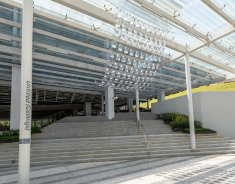
Nurturing a creative campus through public art advocacy
The Public Art Initiative was launched to underscore NUS’ commitment to deepening the role of public art in holistic, interdisciplinary and broad-based education.

8 October 2019
October at the NUS Museum: between war and the artist, art and the tropics
This October, NUS Museum unveils two new exhibitions surveying the art historical in the region from distinct positions.

31 May 2019
New exhibition from Gilles Massot to be unveiled at NUS Museum
“…you have to lose your way to find yourself in the right place” presents the works of Singapore-based French artist, Gilles Massot. Featuring a selection of photographs, videos, sketches and writings from his extensive corpus of works.

14 February 2019
Glossaries of the Straits Chinese Homemaking
Following eleven years of giving glimpses of a Peranakan family’s domestic life in the early 20th century, NUS Baba House presents the exhibition Glossaries of the Straits Chinese Homemaking.
22 March 2018
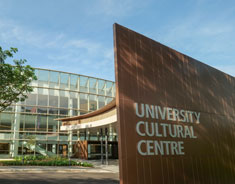
NUS' cultural icon refreshed for a new generation
The University Cultural Centre's first major renovation improves the high standard of guest comfort, efficiency and production possibilities.
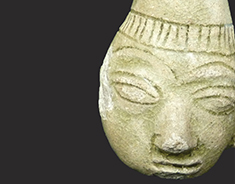
3 February 2017
Exhibition: From the Ashes: Reviving Myanmar Celadon Ceramics
NUS Museum presents ongoing attempts to revive the technology of making ash-glazed ceramics in Myanmar.

23 November 2016
Exhibition: Between the brush lines of Lim Tze Peng
Solo exhibition at NUS Museum considers 70-year oeuvre of Singapore's oldest living artist.

1 November 2016
Book Launch: NUS Baba House launches inaugural guidebook
From architecture to social history, book reveals the myriad facets of Singapore's only restored Straits Chinese family home.
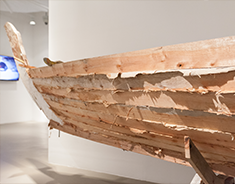
21 October 2016
Exhibition: Looking within - What makes an exhibition?
NUS Museum presents exhibition introspecting into curatorial impulses and the exhibitionary medium.
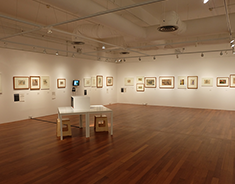
1 July 2016
Exhibition: "Who wants to remember a war?"
NUS Museum draws on war posters, woodcuts and drawings to explore contemporary narratives of the Vietnam War.

10 May 2016
Award: NUS Museum wins inaugural award for innovative museological practice
International Committee of University Museums and Collections recognises efforts to facilitate conversation between audiences and exhibitions.
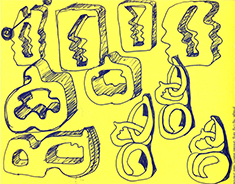
14 April 2016
Exhibition: Figuring Ng Eng Teng
NUS Museum reveals unstudied elements and works from the late Cultural Medallion recipient’s practice.
Student Voices
Agency in art making and art curation
Comprising over 1,200 artworks, the Ambassador Dato’ N. Parameswaran Collection is one of the largest of its kind outside of Vietnam and its depth and diversity create innumerable lines of inquiry. Through three prior exhibitions NUS Museum has explored the works as a form of documentation of the Vietnamese response to the war (Vietnam 1954-1975), the use of drawing as a medium and how it was used to capture physical nature of life around the battlefields (LINES) and how art was employed in an effort to move beyond the war period by building a new narrative (“Who Wants To Remember A War?”).
In NUS Museum’s fourth and final exhibition drawn from the collection, focus is shifted once again. Wartime Artists of Vietnam specifically engages with concept of an artist’s agency; how they are pulled in multiple directions as war artists and how they reflect the war experience through art.
To mark the opening of this exhibition, we put some of our most pressing questions to the curator, Sung Yunwen.
What unites the artists who are presented in this exhibition?
Many of the Vietnamese artists joined the military and became guerrilla artists in the country’s two resistance wars, for in them throbbed both the patriotic sentiment and the creative impulse. Under extreme conditions of conflict, they negotiated between their dual identities—as both soldier and artist— and mediated between official dictates and their exercise of individual agency.
Some of their works were primarily made to boost morale and honour the people’s struggle during the war, while others were created by the artists’ personal initiatives to depict various facets of everyday activities and portray human relationships in wartime with telling and acute renderings.
These artist-soldiers were by no means passive “cultural manufacturers”. Rather, through their wartime creations, not only did they articulate their individual and collective experiences of war—hence using art as a vehicle for storytelling—but also strove to maintain a sense of creative continuity with their former art training and backgrounds. To fully grasp how these artists managed their obligations and convictions, it is necessary to take both an artistic and biographical approach to examine the ways they modified and mediated their art practices.
NUS Museum is known for the open-ended way it approaches subject matter. Visitors aren’t directly guided through a planned path to engage with the works, but are there any additional cues in this exhibition that provide context or other viewpoints?
Included alongside the artworks are excerpts of poems and memoirs written during or after the wars to explore the significance of individual experience. Further supporting texts related to the exhibited works and the general events regarding armed conflicts and art developments are also provided for visitors to help situate the contexts of the artists’ creations.
Although the entanglement between art and politics is evident in Vietnamese art generated during the era of conflict, it is important to note that many of the artist-soldiers sponsored by the government in Hanoi were also caught in a dilemma between the commitment to “art for art’s sake” and the demand for creating “national art.”
When we focus our attention on these combat artists’ wartime journeys and creations, we cannot help but observe that the stories articulated and visualised through their depictions of the multifarious facets of war are not simply about the merciless onslaught of war machines, about the rigidity of military deployments, or about the tendency to favour stalwart heroism.
Rather, like all great art, their drawings and paintings never hesitate to use immediate circumstances to expose the deeper human condition that persists beneath, namely the enduring sagas of survival and despair, endurance and vulnerability, love and separation, joy and anguish, hope and fear, as well as the unfailing undercurrents of compassion that nevertheless surface in times of war. As ambivalent testimonies of victory and loss, of glory and sorrow, the artworks presented in this exhibition not only express intense emotions and the eternal reminder of the transitory nature of life, but also reveal a subtle range of creative renderings representing the existence of artistic autonomy.
When considering the process of exhibition-making, have you taken any curatorial risks with this exhibition? What is different about how the works have been arranged or presented?
I always believe that as a medium itself, an exhibition at its best should serve as a form of contextualisation for art. In other words, an exhibition is curated to propose questions that leave viewers thinking and to keep it relevant to viewers. In order to find new ways to look at this collection, I proposed several questions during my curatorial process:
- How should we make use of these wartime images in a more thoughtful and insightful way?
- What can we learn from this collection?
- How do we turn these images into meaningful narratives?
For this exhibition, I also proposed questions relating to the entanglement and strong relations between art and politics—can art be understood as a form of political discourse, or can art transcend the political? It would be important and necessary to explore the use of art and the role of artists in time of conflicts, and further delve into the stories behind these wartime images and the feelings/experiences that those artist-soldiers wanted to convey. War is still a recurring phenomenon in today’s international politics. Therefore, the themes of this exhibition make “present” relevant as well. We may gain insights into how past and present interact with one another by viewing these paintings and drawings as “dialectical images”—images of thought—that can be used for challenging viewers’ preconceptions and creating artistic dialogues of the time.
~
This pieces combines direct content from Sung Yunwen and edited excerpts from her curatorial introduction to the exhibition.
Wartime Artists of Vietnam: Drawings and Posters from the Ambassador Dato’ N. Parameswaran Collection is now open and NUS Museum.


News
18 November 2025
16 May 2025
NUS Baba House to undergo two years of conservation works
Enthusiasts can look forward to a slate of programmes ahead of and during the temporary closure.
6 October 2023
NUS Museum receives largest-ever donation of Straits Chinese artefacts
"Collected by Mrs Alice Tan over a 30-year period, the donated artefacts will contribute to a deeper study of the impact of Straits Chinese culture in Singapore and the region, and provide broadened avenues for interdisciplinary collaborations."
15 August 2023
From personal photo collection to exhibition: NUS Museum's latest showcase features visual narratives by 9 members of the NUS community
Titled Photography Journal Open Call (PJOC), the exhibition presents an eclectic collection of photographic works by nine NUS students, alumni artists and academic staff.
12 April 2021
Nurturing a creative campus through public art advocacy
The Public Art Initiative was launched to underscore NUS’ commitment to deepening the role of public art in holistic, interdisciplinary and broad-based education.
8 October 2019
October at the NUS Museum: between war and the artist, art and the tropics
This October, NUS Museum unveils two new exhibitions surveying the art historical in the region from distinct positions.
31 May 2019
New exhibition from Gilles Massot to be unveiled at NUS Museum
“…you have to lose your way to find yourself in the right place” presents the works of Singapore-based French artist, Gilles Massot. Featuring a selection of photographs, videos, sketches and writings from his extensive corpus of works.
14 February 2019
Glossaries of the Straits Chinese Homemaking
Following eleven years of giving glimpses of a Peranakan family’s domestic life in the early 20th century, NUS Baba House presents the exhibition Glossaries of the Straits Chinese Homemaking.
22 March 2018
NUS' cultural icon refreshed for a new generation
The University Cultural Centre's first major renovation improves the high standard of guest comfort, efficiency and production possibilities.
3 February 2017
Exhibition: From the Ashes: Reviving Myanmar Celadon Ceramics
NUS Museum presents ongoing attempts to revive the technology of making ash-glazed ceramics in Myanmar.
23 November 2016
Exhibition: Between the brush lines of Lim Tze Peng
Solo exhibition at NUS Museum considers 70-year oeuvre of Singapore's oldest living artist.
1 November 2016
Book Launch: NUS Baba House launches inaugural guidebook
From architecture to social history, book reveals the myriad facets of Singapore's only restored Straits Chinese family home.
21 October 2016
Exhibition: Looking within - What makes an exhibition?
NUS Museum presents exhibition introspecting into curatorial impulses and the exhibitionary medium.
1 July 2016
Exhibition: "Who wants to remember a war?"
NUS Museum draws on war posters, woodcuts and drawings to explore contemporary narratives of the Vietnam War.
10 May 2016
Award: NUS Museum wins inaugural award for innovative museological practice
International Committee of University Museums and Collections recognises efforts to facilitate conversation between audiences and exhibitions.
14 April 2016
Exhibition: Figuring Ng Eng Teng
NUS Museum reveals unstudied elements and works from the late Cultural Medallion recipient’s practice.
Leave a comment