Press Enquiries
Please direct all press enquiries and image requests to museum@nus.edu.sg.
In The Spotlight
Diary of an NUS Museum Intern: Jaclyn Chong
Diary of an NUS Museum Intern is a series of blog posts written by our interns about their experiences during the course of their internships. Working alongside their mentors, our interns have waded through tons of historical research, assisted in curatorial work, pitched in during exhibition installations and organised outreach events! If you would like to become our next intern, visit NUS Museum’s student development page for more information.
Jaclyn is a fourth-year Theatre Studies student at the NUS Faculty of Arts and Social Sciences. As our Exhibition Management and Programmes Intern, Jaclyn assisted her supervisor, NUS Museum curator, Sidd Perez, in exhibitions and programming.
On locating the contemporary
But firstly, where do I locate myself? In attempting to locate myself, I attempt to locate the contemporary as well, the space where a Theatre Studies major with an interest in the visual arts may exist.
I’m not trying to impose my theatre-centric views on the visual arts. Instead, I find spaces where visions and ideals align, and new possibilities emerge.
The NUS Museum is a curious place to begin locating the contemporary. Something about the space just doesn’t scream “cool”, “experimental” and “edgy” like how other contemporary art spaces may choose to present themselves. However the contemporary is ever present, vacillating in the spaces in-between.
On every floor, there is both a permanent collection, and a more temporary fluid space, where new exhibitions may come and go. With the permanent collections in the space, the contemporary seems to lie in the continual interaction with new exhibitions. Perhaps, I’ve come to seek the refuge of the museum. Its stable institutional structures assure me of the possibilities to come, a temporary respite from trudging through the chaotic mess of art worlds alone and establishing my connectivity to them.Here, a balance between the academic, the institutional but at the same time experimental ways of working, create oppositions that place me in an interesting bind.
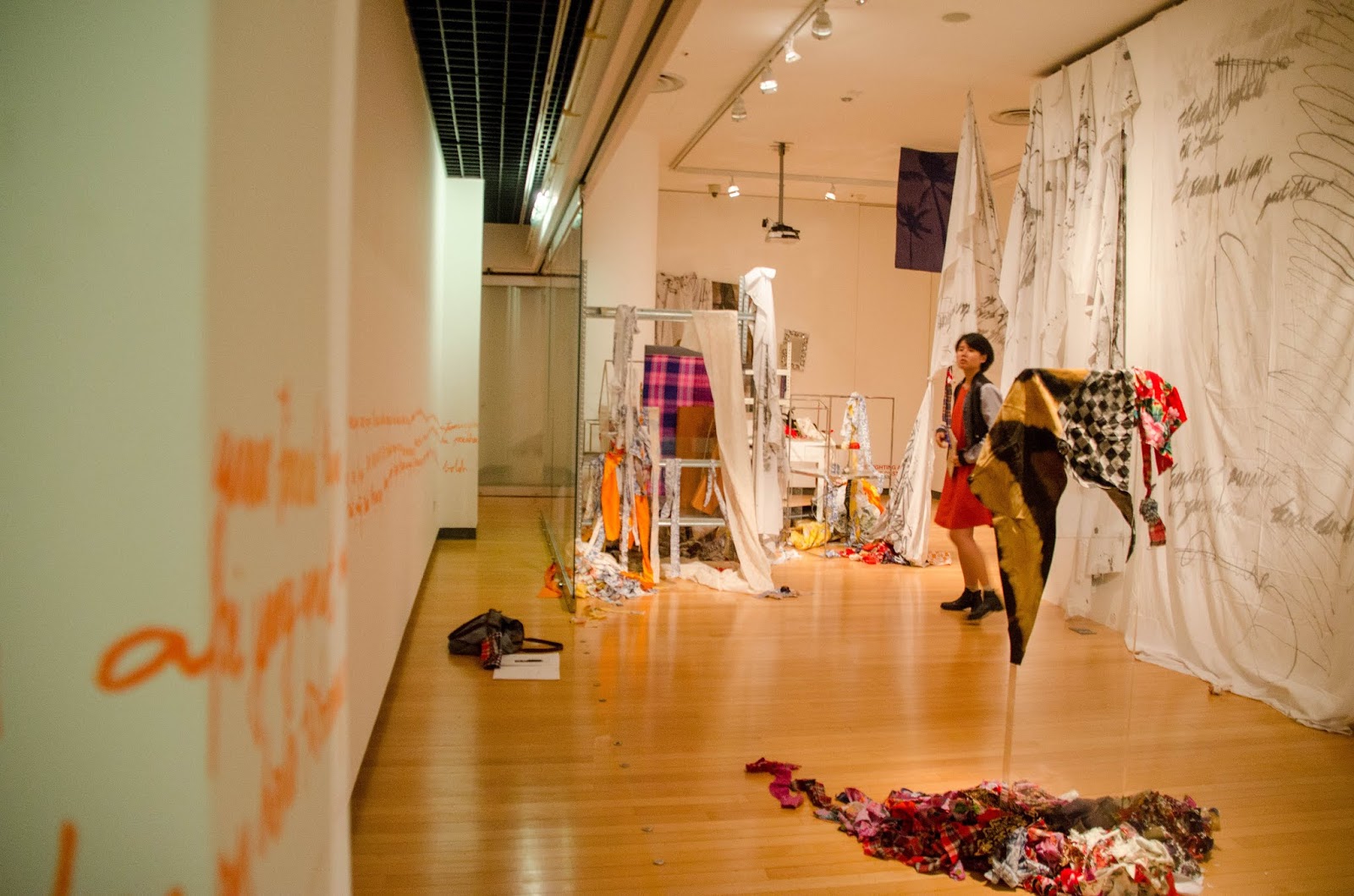
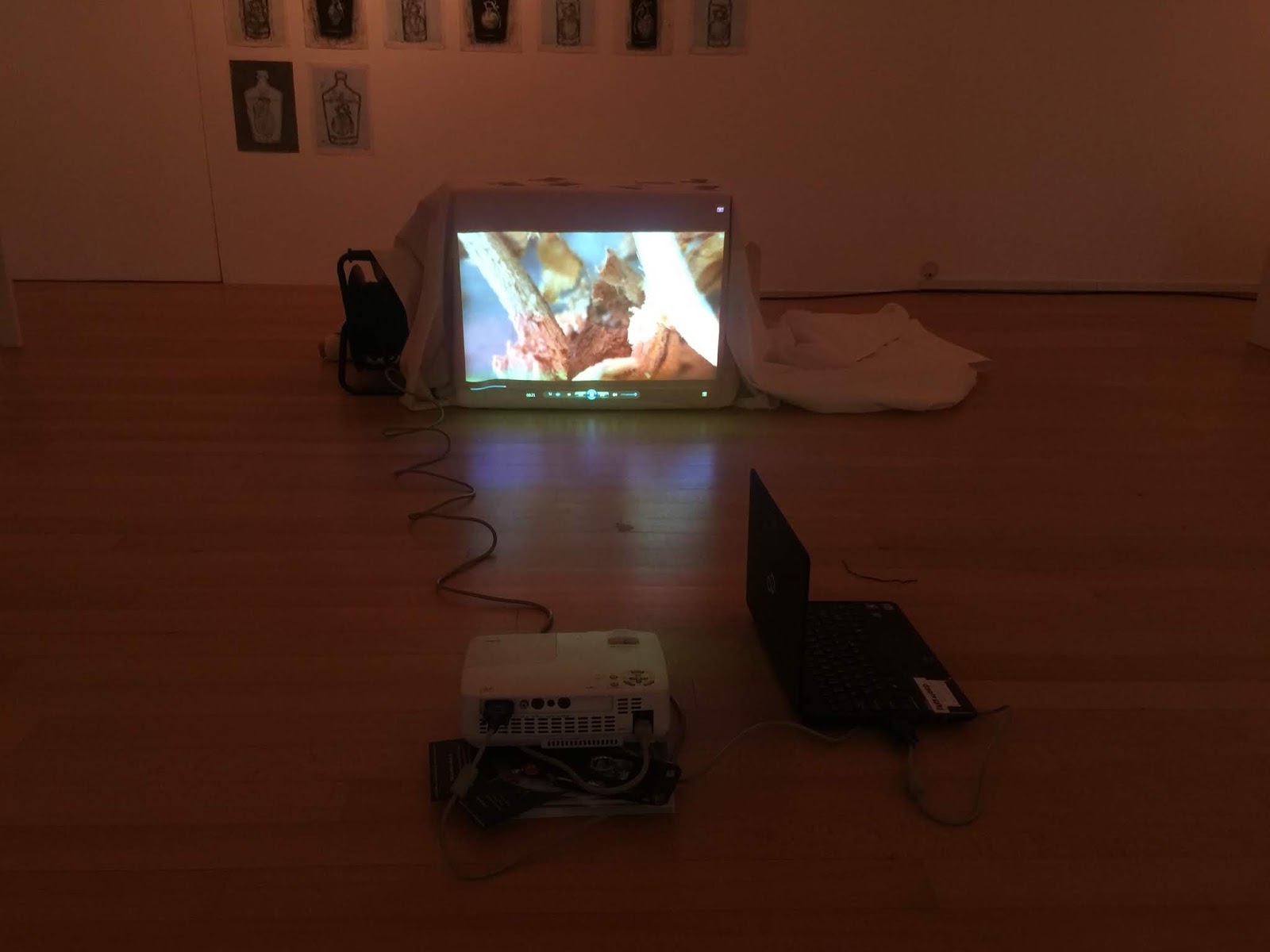
Trying my hand at curating a parallel project for the prep-room threw me into the worlds of curating unexpectedly. Before I even started on the project, I started doing my own reading into what curating is about, to assuage my inadequacy, if anything. I wanted to locate my own opinion or take on curating, to ground myself in a vision that would allow me to make helpful decisions.
Place making, world picturing, and connectivity are the most common concerns of artists these days because they are the substance of contemporary being. Increasingly, they override residual distinctions based on style, mode, medium, and ideology. –Thinking Contemporary Curating, Terry Smith
This helped me in making sense of how I saw the students’ works coming together. What was important in the context of the prep-room was that they provided a different perspective, maybe even helped contextualize the artists’ works in the space, such that one could picture the worlds in which they inhabit.
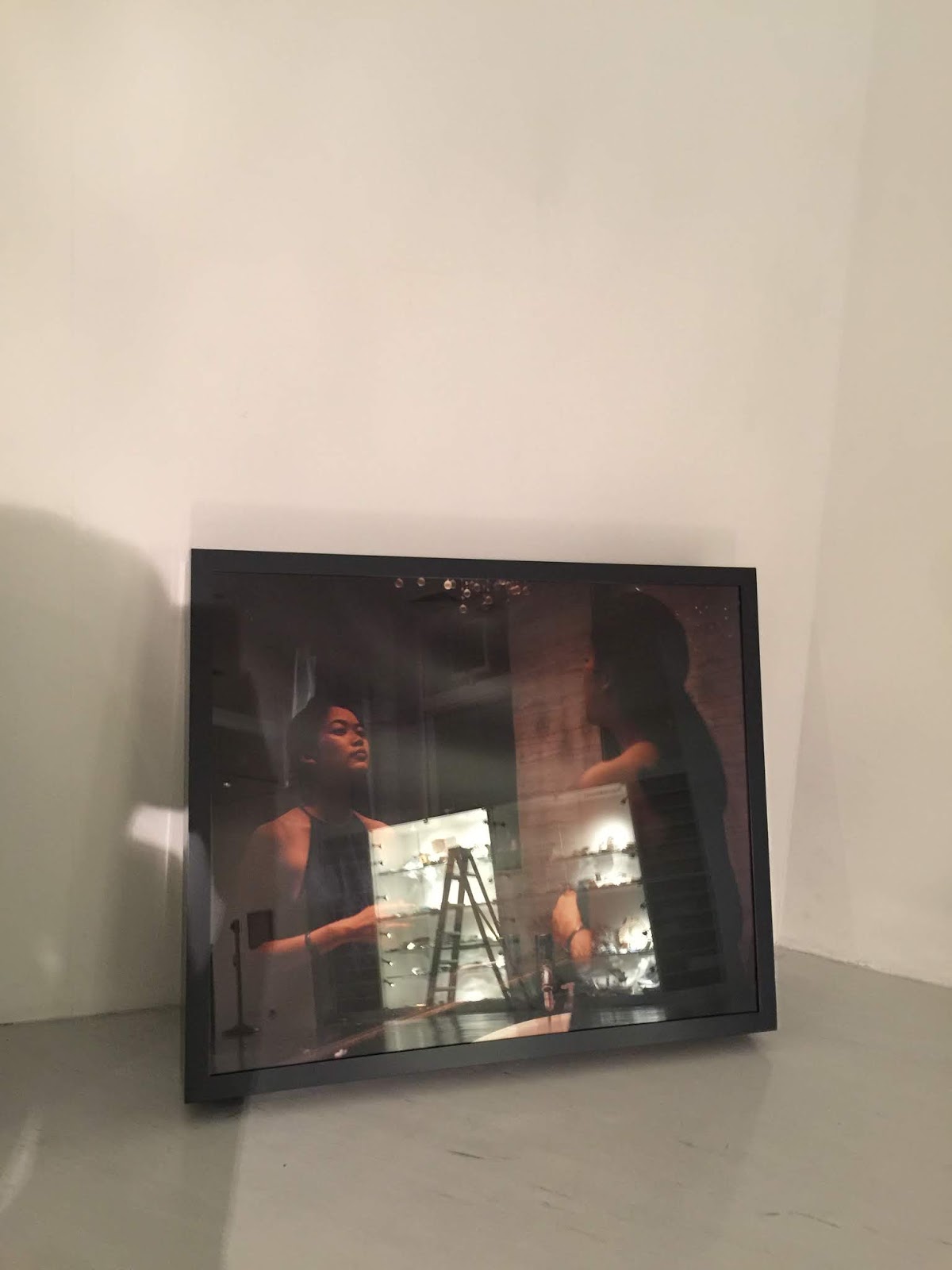
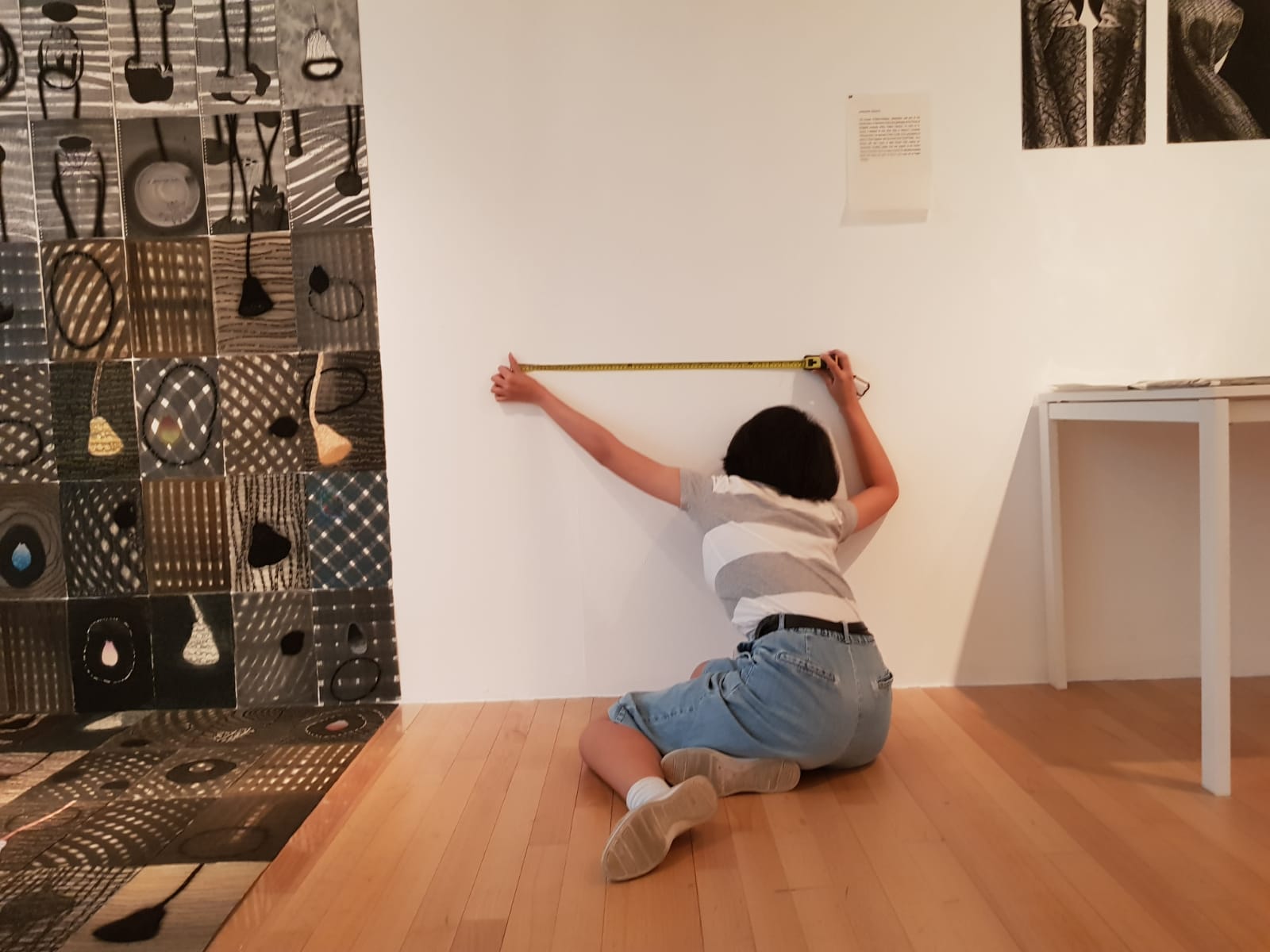
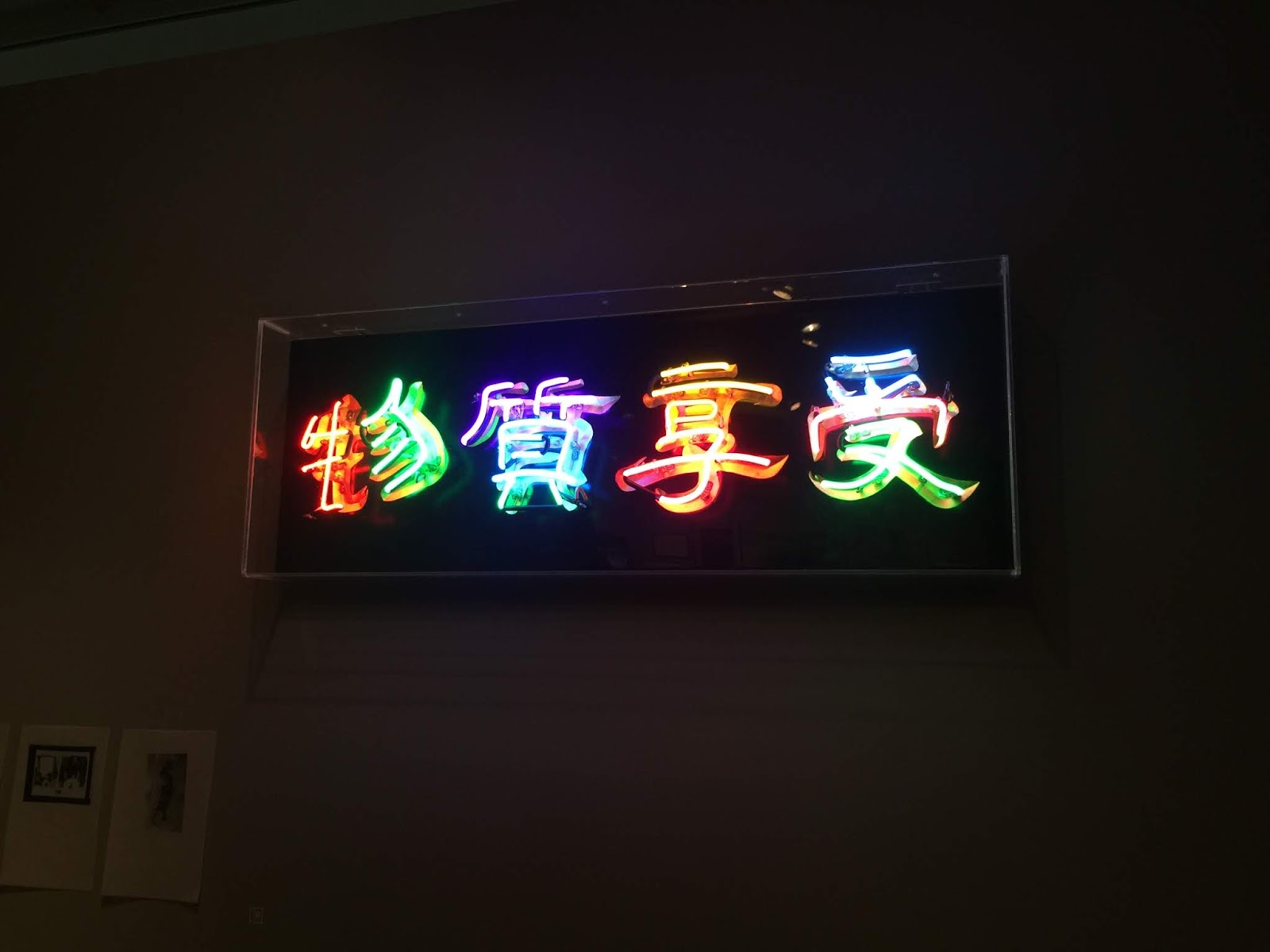
A reflection: being in the museum allows me to be exposed to ideas. To ways of working, ways of making and un-making, ways of seeing and ways of existing. To be in the museum space is to be refreshed and to be engaging with notions of spatiality and materiality that coalesce in contemplating our existence.
For one, Of Place and A Paradox reminded me to question. What makes a place a place? What makes Singapore Singapore, and what makes Patani and Singapore different and yet so similar?
Some people perhaps seek truth and comfort in tracing facts and history. But I’ve come to realise that the museum is much more than that.
Materiality and contemporaneity converge, and I leave the museum feeling like there has always been a place for me somewhere here.
- Student Voices
18 November 2025
16 May 2025
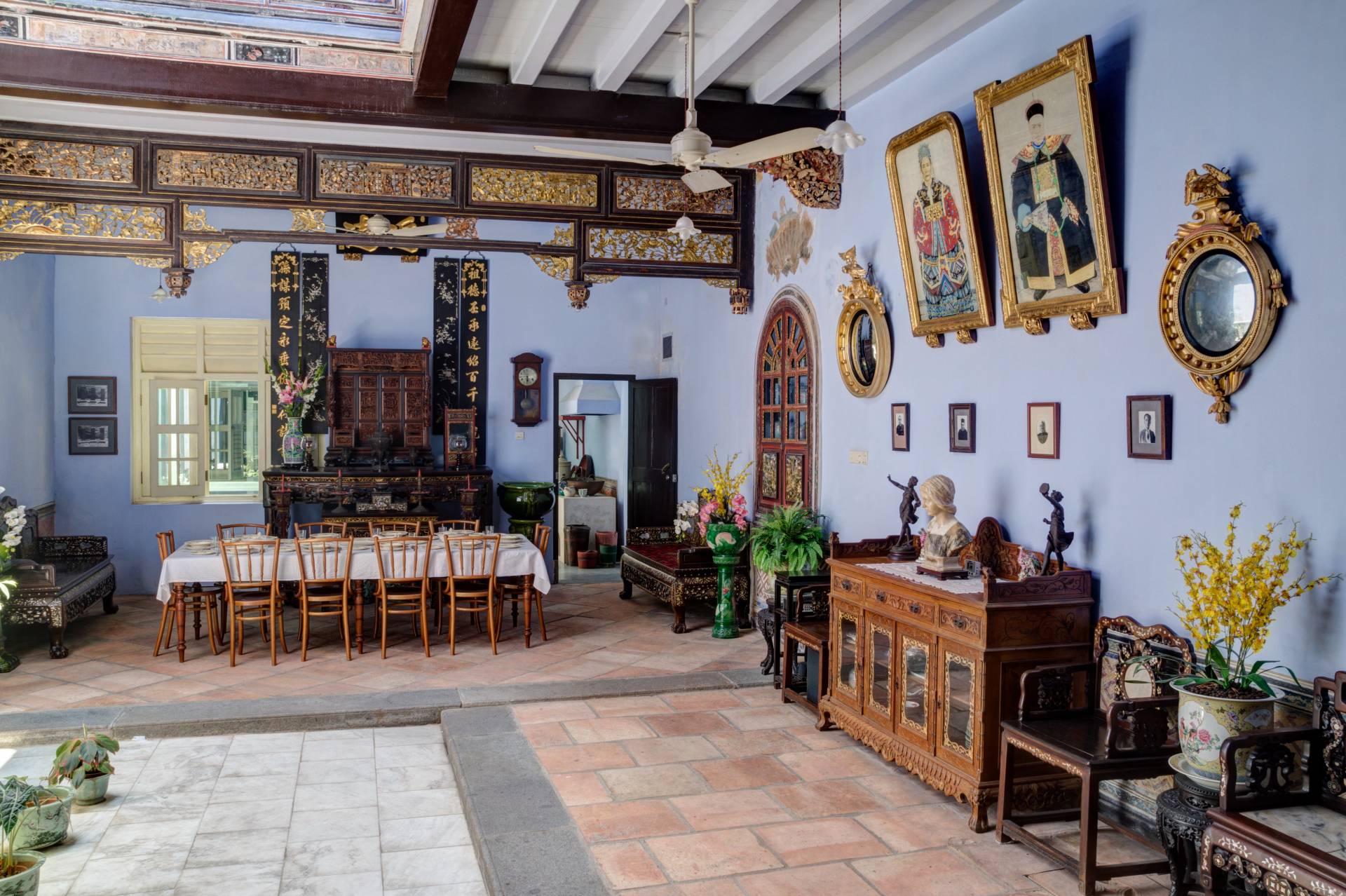
NUS Baba House to undergo two years of conservation works
Enthusiasts can look forward to a slate of programmes ahead of and during the temporary closure.
6 October 2023
NUS Museum receives largest-ever donation of Straits Chinese artefacts
"Collected by Mrs Alice Tan over a 30-year period, the donated artefacts will contribute to a deeper study of the impact of Straits Chinese culture in Singapore and the region, and provide broadened avenues for interdisciplinary collaborations."
15 August 2023
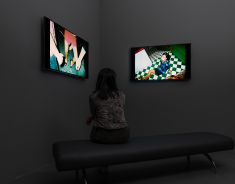
From personal photo collection to exhibition: NUS Museum's latest showcase features visual narratives by 9 members of the NUS community
Titled Photography Journal Open Call (PJOC), the exhibition presents an eclectic collection of photographic works by nine NUS students, alumni artists and academic staff.
12 April 2021
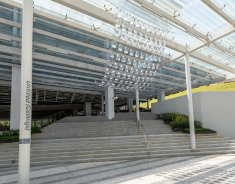
Nurturing a creative campus through public art advocacy
The Public Art Initiative was launched to underscore NUS’ commitment to deepening the role of public art in holistic, interdisciplinary and broad-based education.

8 October 2019
October at the NUS Museum: between war and the artist, art and the tropics
This October, NUS Museum unveils two new exhibitions surveying the art historical in the region from distinct positions.

31 May 2019
New exhibition from Gilles Massot to be unveiled at NUS Museum
“…you have to lose your way to find yourself in the right place” presents the works of Singapore-based French artist, Gilles Massot. Featuring a selection of photographs, videos, sketches and writings from his extensive corpus of works.

14 February 2019
Glossaries of the Straits Chinese Homemaking
Following eleven years of giving glimpses of a Peranakan family’s domestic life in the early 20th century, NUS Baba House presents the exhibition Glossaries of the Straits Chinese Homemaking.
22 March 2018
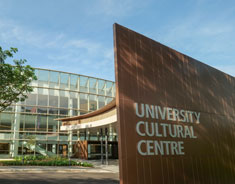
NUS' cultural icon refreshed for a new generation
The University Cultural Centre's first major renovation improves the high standard of guest comfort, efficiency and production possibilities.
3 February 2017
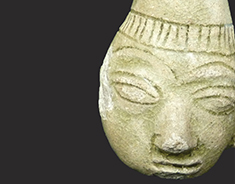
Exhibition: From the Ashes: Reviving Myanmar Celadon Ceramics
NUS Museum presents ongoing attempts to revive the technology of making ash-glazed ceramics in Myanmar.

23 November 2016
Exhibition: Between the brush lines of Lim Tze Peng
Solo exhibition at NUS Museum considers 70-year oeuvre of Singapore's oldest living artist.

1 November 2016
Book Launch: NUS Baba House launches inaugural guidebook
From architecture to social history, book reveals the myriad facets of Singapore's only restored Straits Chinese family home.
21 October 2016
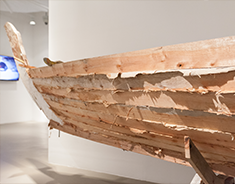
Exhibition: Looking within - What makes an exhibition?
NUS Museum presents exhibition introspecting into curatorial impulses and the exhibitionary medium.
1 July 2016
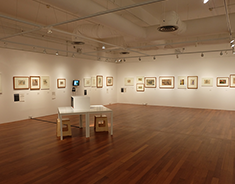
Exhibition: "Who wants to remember a war?"
NUS Museum draws on war posters, woodcuts and drawings to explore contemporary narratives of the Vietnam War.

10 May 2016
Award: NUS Museum wins inaugural award for innovative museological practice
International Committee of University Museums and Collections recognises efforts to facilitate conversation between audiences and exhibitions.
14 April 2016
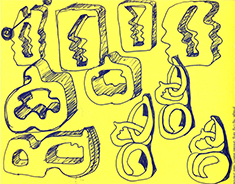
Exhibition: Figuring Ng Eng Teng
NUS Museum reveals unstudied elements and works from the late Cultural Medallion recipient’s practice.
Student Voices
Diary of an NUS Museum Intern: Jaclyn Chong
Diary of an NUS Museum Intern is a series of blog posts written by our interns about their experiences during the course of their internships. Working alongside their mentors, our interns have waded through tons of historical research, assisted in curatorial work, pitched in during exhibition installations and organised outreach events! If you would like to become our next intern, visit NUS Museum’s student development page for more information.
Jaclyn is a fourth-year Theatre Studies student at the NUS Faculty of Arts and Social Sciences. As our Exhibition Management and Programmes Intern, Jaclyn assisted her supervisor, NUS Museum curator, Sidd Perez, in exhibitions and programming.
On locating the contemporary
But firstly, where do I locate myself? In attempting to locate myself, I attempt to locate the contemporary as well, the space where a Theatre Studies major with an interest in the visual arts may exist.
I’m not trying to impose my theatre-centric views on the visual arts. Instead, I find spaces where visions and ideals align, and new possibilities emerge.
The NUS Museum is a curious place to begin locating the contemporary. Something about the space just doesn’t scream “cool”, “experimental” and “edgy” like how other contemporary art spaces may choose to present themselves. However the contemporary is ever present, vacillating in the spaces in-between.
On every floor, there is both a permanent collection, and a more temporary fluid space, where new exhibitions may come and go. With the permanent collections in the space, the contemporary seems to lie in the continual interaction with new exhibitions. Perhaps, I’ve come to seek the refuge of the museum. Its stable institutional structures assure me of the possibilities to come, a temporary respite from trudging through the chaotic mess of art worlds alone and establishing my connectivity to them.Here, a balance between the academic, the institutional but at the same time experimental ways of working, create oppositions that place me in an interesting bind.
Trying my hand at curating a parallel project for the prep-room threw me into the worlds of curating unexpectedly. Before I even started on the project, I started doing my own reading into what curating is about, to assuage my inadequacy, if anything. I wanted to locate my own opinion or take on curating, to ground myself in a vision that would allow me to make helpful decisions.
Place making, world picturing, and connectivity are the most common concerns of artists these days because they are the substance of contemporary being. Increasingly, they override residual distinctions based on style, mode, medium, and ideology. –Thinking Contemporary Curating, Terry Smith
This helped me in making sense of how I saw the students’ works coming together. What was important in the context of the prep-room was that they provided a different perspective, maybe even helped contextualize the artists’ works in the space, such that one could picture the worlds in which they inhabit.
A reflection: being in the museum allows me to be exposed to ideas. To ways of working, ways of making and un-making, ways of seeing and ways of existing. To be in the museum space is to be refreshed and to be engaging with notions of spatiality and materiality that coalesce in contemplating our existence.
For one, Of Place and A Paradox reminded me to question. What makes a place a place? What makes Singapore Singapore, and what makes Patani and Singapore different and yet so similar?
Some people perhaps seek truth and comfort in tracing facts and history. But I’ve come to realise that the museum is much more than that.
Materiality and contemporaneity converge, and I leave the museum feeling like there has always been a place for me somewhere here.
- Student Voices


News
18 November 2025
16 May 2025
NUS Baba House to undergo two years of conservation works
Enthusiasts can look forward to a slate of programmes ahead of and during the temporary closure.
6 October 2023
NUS Museum receives largest-ever donation of Straits Chinese artefacts
"Collected by Mrs Alice Tan over a 30-year period, the donated artefacts will contribute to a deeper study of the impact of Straits Chinese culture in Singapore and the region, and provide broadened avenues for interdisciplinary collaborations."
15 August 2023
From personal photo collection to exhibition: NUS Museum's latest showcase features visual narratives by 9 members of the NUS community
Titled Photography Journal Open Call (PJOC), the exhibition presents an eclectic collection of photographic works by nine NUS students, alumni artists and academic staff.
12 April 2021
Nurturing a creative campus through public art advocacy
The Public Art Initiative was launched to underscore NUS’ commitment to deepening the role of public art in holistic, interdisciplinary and broad-based education.
8 October 2019
October at the NUS Museum: between war and the artist, art and the tropics
This October, NUS Museum unveils two new exhibitions surveying the art historical in the region from distinct positions.
31 May 2019
New exhibition from Gilles Massot to be unveiled at NUS Museum
“…you have to lose your way to find yourself in the right place” presents the works of Singapore-based French artist, Gilles Massot. Featuring a selection of photographs, videos, sketches and writings from his extensive corpus of works.
14 February 2019
Glossaries of the Straits Chinese Homemaking
Following eleven years of giving glimpses of a Peranakan family’s domestic life in the early 20th century, NUS Baba House presents the exhibition Glossaries of the Straits Chinese Homemaking.
22 March 2018
NUS' cultural icon refreshed for a new generation
The University Cultural Centre's first major renovation improves the high standard of guest comfort, efficiency and production possibilities.
3 February 2017
Exhibition: From the Ashes: Reviving Myanmar Celadon Ceramics
NUS Museum presents ongoing attempts to revive the technology of making ash-glazed ceramics in Myanmar.
23 November 2016
Exhibition: Between the brush lines of Lim Tze Peng
Solo exhibition at NUS Museum considers 70-year oeuvre of Singapore's oldest living artist.
1 November 2016
Book Launch: NUS Baba House launches inaugural guidebook
From architecture to social history, book reveals the myriad facets of Singapore's only restored Straits Chinese family home.
21 October 2016
Exhibition: Looking within - What makes an exhibition?
NUS Museum presents exhibition introspecting into curatorial impulses and the exhibitionary medium.
1 July 2016
Exhibition: "Who wants to remember a war?"
NUS Museum draws on war posters, woodcuts and drawings to explore contemporary narratives of the Vietnam War.
10 May 2016
Award: NUS Museum wins inaugural award for innovative museological practice
International Committee of University Museums and Collections recognises efforts to facilitate conversation between audiences and exhibitions.
14 April 2016
Exhibition: Figuring Ng Eng Teng
NUS Museum reveals unstudied elements and works from the late Cultural Medallion recipient’s practice.
Leave a comment