Press Enquiries
Please direct all press enquiries and image requests to museum@nus.edu.sg.
In The Spotlight
Diary of an NUS Museum Intern: Johann Yamin
Diary of an NUS Museum Intern is a series of blog posts written by our interns about their experiences during the course of their internships. Working alongside their mentors, our interns have waded through tons of historical research, assisted in curatorial work, pitched in during exhibition installations and organised outreach events! If you would like to become our next intern, visit NUS Museum’s student development page for more information.
Johann Yamin is a third-year Communications and New Media student at the NUS Faculty of Arts and Social Sciences, with a minor in Film Production and Art History. As our Radio Malaya Exhibition Research Intern, Johann assisted with curatorial research and exhibition development for Radio Malaya: Abridged Conversations About Art, as well as consolidating research materials from the Vietnam War Art collection.
I come here to rearrange florets of information. Imagine knowledge being categorised, synthesised, consolidated, coagulated. Reified into physical stacks, neatly lined along a conference table in a fluorescent-lit room, scattered with the touch of a hand. I look for knowledge that has come before me, traces deposited: There are citations to be generated, bibliographies to be indexed, indexes to be bibliographed. Associations multiply meiotically while meanings unravel inconspicuously.
I come here to propose more and more, as in, there will always be more, but what this is depends on what you want, so just go for it and don’t worry too much about it. More is needed still. Reach out for things you’ve not yet seen, searches combing wide swathes – time is spent over shelves, under the covers of books, scampering across categories in classification systems. You prise yourself between the leading of sentences and meander through spaces dividing words, cram through the kerning of letters.
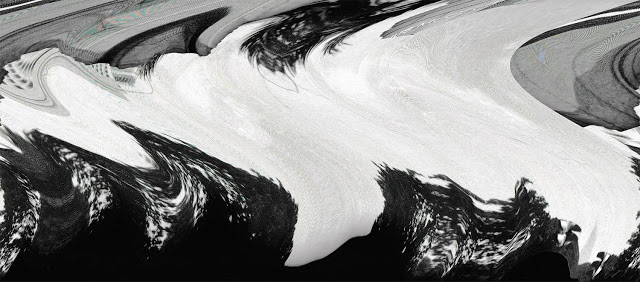
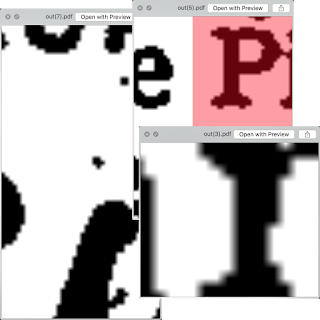
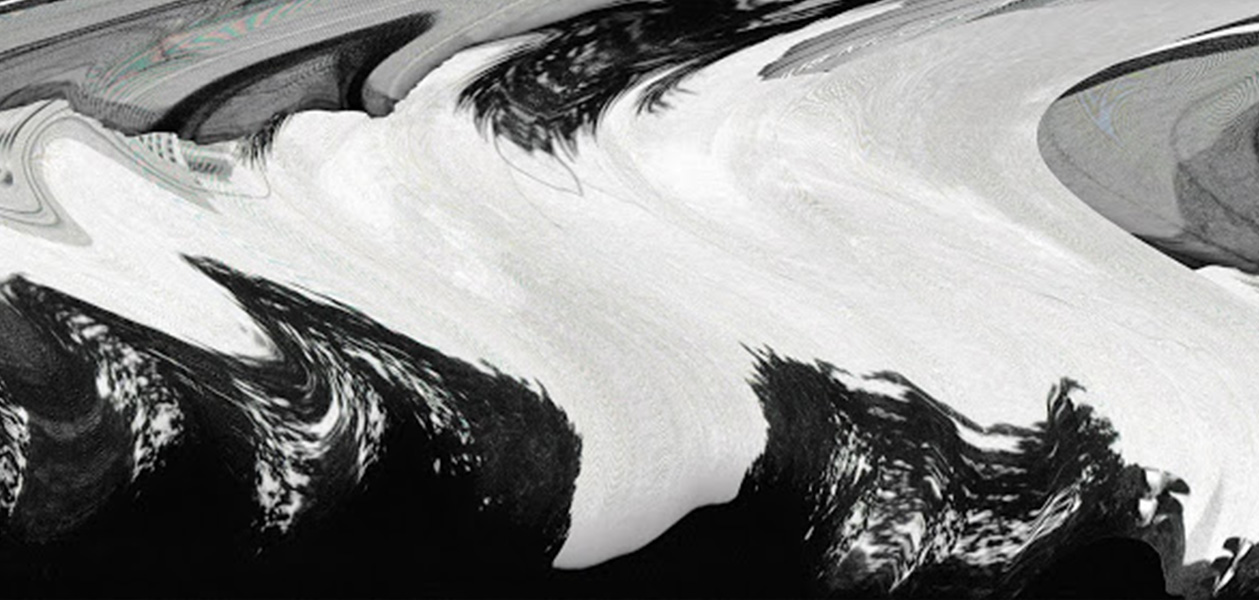
Look at pdfs and docxs accumulated, pay attention to their megabytes of information, how odd for the pdf to be neither image nor text. Consider their visuality: Information frozen in relative position on document, everything in its right place always and exactly. Push in on the document. Edges become jagged, indistinct, abstract. Pixels happily leap off into low resolution.
~ ~ ~
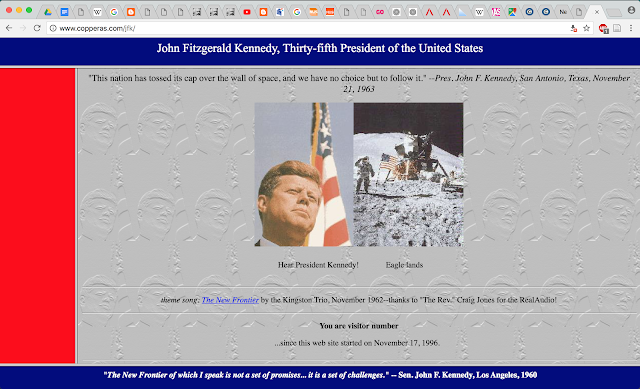
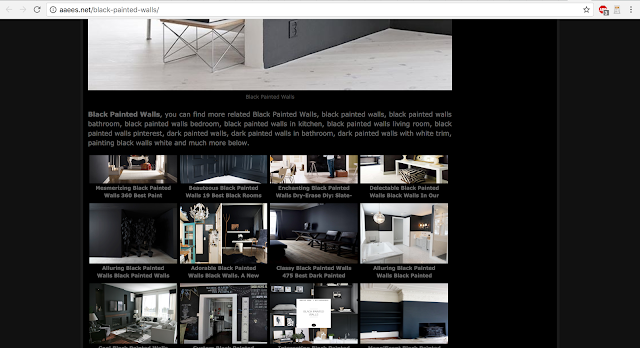
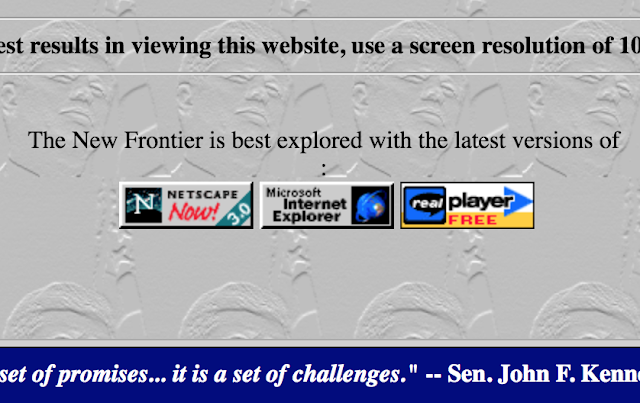
Each day, I push my palms against the textures of aged webpages, charting out urban sprawls of abandoned geocities, raptly tracing fingers along html frame dividers. As web browser histories grow lengthier and more intricate, discover how highres images of an artwork nosedive into lowres, splintering across the internet from the force of impact. Jpegs of art find themselves crawled over, scooped up, plastered to a website for interior design inspiration. “As it accelerates, it deteriorates.”
Knowledge coquettishly prances just out of reach, arriving as a pulsating, glowing figure from beyond the screen. Sometimes it’s better to see things through a screen. Violent rectangles of light. Generate new threads, ideas unspooling, conceptualise skeins, tangle warp and weft. Everything falls through the fingers, and there is no need for a firm grasp. Again and again, note this happening. I allow my mind to be splayed open, and it begs to be interfaced.
- Student Voices
18 November 2025
16 May 2025
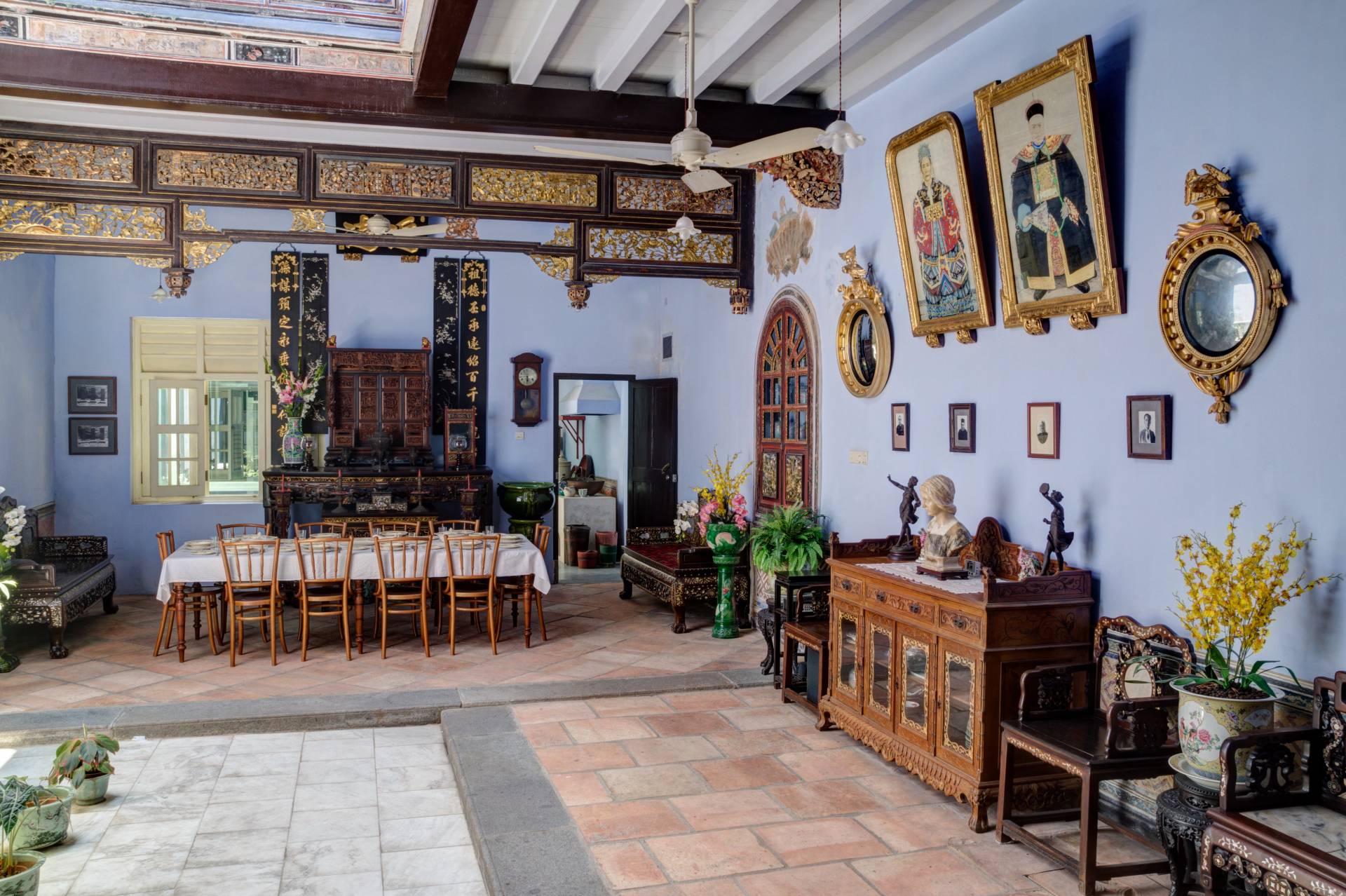
NUS Baba House to undergo two years of conservation works
Enthusiasts can look forward to a slate of programmes ahead of and during the temporary closure.
6 October 2023
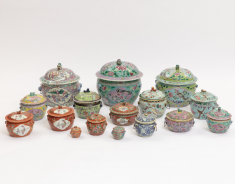
NUS Museum receives largest-ever donation of Straits Chinese artefacts
"Collected by Mrs Alice Tan over a 30-year period, the donated artefacts will contribute to a deeper study of the impact of Straits Chinese culture in Singapore and the region, and provide broadened avenues for interdisciplinary collaborations."
15 August 2023
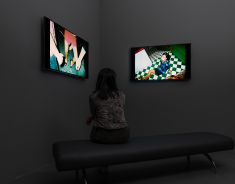
From personal photo collection to exhibition: NUS Museum's latest showcase features visual narratives by 9 members of the NUS community
Titled Photography Journal Open Call (PJOC), the exhibition presents an eclectic collection of photographic works by nine NUS students, alumni artists and academic staff.
12 April 2021
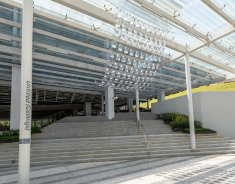
Nurturing a creative campus through public art advocacy
The Public Art Initiative was launched to underscore NUS’ commitment to deepening the role of public art in holistic, interdisciplinary and broad-based education.

8 October 2019
October at the NUS Museum: between war and the artist, art and the tropics
This October, NUS Museum unveils two new exhibitions surveying the art historical in the region from distinct positions.

31 May 2019
New exhibition from Gilles Massot to be unveiled at NUS Museum
“…you have to lose your way to find yourself in the right place” presents the works of Singapore-based French artist, Gilles Massot. Featuring a selection of photographs, videos, sketches and writings from his extensive corpus of works.

14 February 2019
Glossaries of the Straits Chinese Homemaking
Following eleven years of giving glimpses of a Peranakan family’s domestic life in the early 20th century, NUS Baba House presents the exhibition Glossaries of the Straits Chinese Homemaking.
22 March 2018
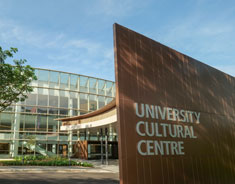
NUS' cultural icon refreshed for a new generation
The University Cultural Centre's first major renovation improves the high standard of guest comfort, efficiency and production possibilities.
3 February 2017
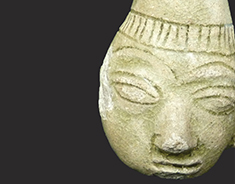
Exhibition: From the Ashes: Reviving Myanmar Celadon Ceramics
NUS Museum presents ongoing attempts to revive the technology of making ash-glazed ceramics in Myanmar.

23 November 2016
Exhibition: Between the brush lines of Lim Tze Peng
Solo exhibition at NUS Museum considers 70-year oeuvre of Singapore's oldest living artist.

1 November 2016
Book Launch: NUS Baba House launches inaugural guidebook
From architecture to social history, book reveals the myriad facets of Singapore's only restored Straits Chinese family home.
21 October 2016
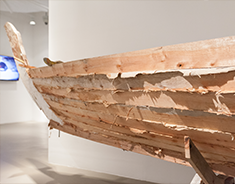
Exhibition: Looking within - What makes an exhibition?
NUS Museum presents exhibition introspecting into curatorial impulses and the exhibitionary medium.
1 July 2016
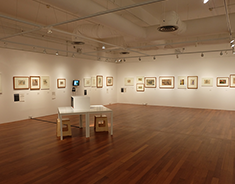
Exhibition: "Who wants to remember a war?"
NUS Museum draws on war posters, woodcuts and drawings to explore contemporary narratives of the Vietnam War.

10 May 2016
Award: NUS Museum wins inaugural award for innovative museological practice
International Committee of University Museums and Collections recognises efforts to facilitate conversation between audiences and exhibitions.
14 April 2016
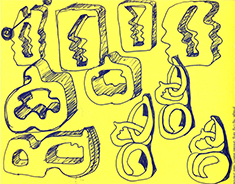
Exhibition: Figuring Ng Eng Teng
NUS Museum reveals unstudied elements and works from the late Cultural Medallion recipient’s practice.
Student Voices
Diary of an NUS Museum Intern: Johann Yamin
Diary of an NUS Museum Intern is a series of blog posts written by our interns about their experiences during the course of their internships. Working alongside their mentors, our interns have waded through tons of historical research, assisted in curatorial work, pitched in during exhibition installations and organised outreach events! If you would like to become our next intern, visit NUS Museum’s student development page for more information.
Johann Yamin is a third-year Communications and New Media student at the NUS Faculty of Arts and Social Sciences, with a minor in Film Production and Art History. As our Radio Malaya Exhibition Research Intern, Johann assisted with curatorial research and exhibition development for Radio Malaya: Abridged Conversations About Art, as well as consolidating research materials from the Vietnam War Art collection.
I come here to rearrange florets of information. Imagine knowledge being categorised, synthesised, consolidated, coagulated. Reified into physical stacks, neatly lined along a conference table in a fluorescent-lit room, scattered with the touch of a hand. I look for knowledge that has come before me, traces deposited: There are citations to be generated, bibliographies to be indexed, indexes to be bibliographed. Associations multiply meiotically while meanings unravel inconspicuously.
I come here to propose more and more, as in, there will always be more, but what this is depends on what you want, so just go for it and don’t worry too much about it. More is needed still. Reach out for things you’ve not yet seen, searches combing wide swathes – time is spent over shelves, under the covers of books, scampering across categories in classification systems. You prise yourself between the leading of sentences and meander through spaces dividing words, cram through the kerning of letters.
Look at pdfs and docxs accumulated, pay attention to their megabytes of information, how odd for the pdf to be neither image nor text. Consider their visuality: Information frozen in relative position on document, everything in its right place always and exactly. Push in on the document. Edges become jagged, indistinct, abstract. Pixels happily leap off into low resolution.
~ ~ ~
Each day, I push my palms against the textures of aged webpages, charting out urban sprawls of abandoned geocities, raptly tracing fingers along html frame dividers. As web browser histories grow lengthier and more intricate, discover how highres images of an artwork nosedive into lowres, splintering across the internet from the force of impact. Jpegs of art find themselves crawled over, scooped up, plastered to a website for interior design inspiration. “As it accelerates, it deteriorates.”
Knowledge coquettishly prances just out of reach, arriving as a pulsating, glowing figure from beyond the screen. Sometimes it’s better to see things through a screen. Violent rectangles of light. Generate new threads, ideas unspooling, conceptualise skeins, tangle warp and weft. Everything falls through the fingers, and there is no need for a firm grasp. Again and again, note this happening. I allow my mind to be splayed open, and it begs to be interfaced.
- Student Voices


News
18 November 2025
16 May 2025
NUS Baba House to undergo two years of conservation works
Enthusiasts can look forward to a slate of programmes ahead of and during the temporary closure.
6 October 2023
NUS Museum receives largest-ever donation of Straits Chinese artefacts
"Collected by Mrs Alice Tan over a 30-year period, the donated artefacts will contribute to a deeper study of the impact of Straits Chinese culture in Singapore and the region, and provide broadened avenues for interdisciplinary collaborations."
15 August 2023
From personal photo collection to exhibition: NUS Museum's latest showcase features visual narratives by 9 members of the NUS community
Titled Photography Journal Open Call (PJOC), the exhibition presents an eclectic collection of photographic works by nine NUS students, alumni artists and academic staff.
12 April 2021
Nurturing a creative campus through public art advocacy
The Public Art Initiative was launched to underscore NUS’ commitment to deepening the role of public art in holistic, interdisciplinary and broad-based education.
8 October 2019
October at the NUS Museum: between war and the artist, art and the tropics
This October, NUS Museum unveils two new exhibitions surveying the art historical in the region from distinct positions.
31 May 2019
New exhibition from Gilles Massot to be unveiled at NUS Museum
“…you have to lose your way to find yourself in the right place” presents the works of Singapore-based French artist, Gilles Massot. Featuring a selection of photographs, videos, sketches and writings from his extensive corpus of works.
14 February 2019
Glossaries of the Straits Chinese Homemaking
Following eleven years of giving glimpses of a Peranakan family’s domestic life in the early 20th century, NUS Baba House presents the exhibition Glossaries of the Straits Chinese Homemaking.
22 March 2018
NUS' cultural icon refreshed for a new generation
The University Cultural Centre's first major renovation improves the high standard of guest comfort, efficiency and production possibilities.
3 February 2017
Exhibition: From the Ashes: Reviving Myanmar Celadon Ceramics
NUS Museum presents ongoing attempts to revive the technology of making ash-glazed ceramics in Myanmar.
23 November 2016
Exhibition: Between the brush lines of Lim Tze Peng
Solo exhibition at NUS Museum considers 70-year oeuvre of Singapore's oldest living artist.
1 November 2016
Book Launch: NUS Baba House launches inaugural guidebook
From architecture to social history, book reveals the myriad facets of Singapore's only restored Straits Chinese family home.
21 October 2016
Exhibition: Looking within - What makes an exhibition?
NUS Museum presents exhibition introspecting into curatorial impulses and the exhibitionary medium.
1 July 2016
Exhibition: "Who wants to remember a war?"
NUS Museum draws on war posters, woodcuts and drawings to explore contemporary narratives of the Vietnam War.
10 May 2016
Award: NUS Museum wins inaugural award for innovative museological practice
International Committee of University Museums and Collections recognises efforts to facilitate conversation between audiences and exhibitions.
14 April 2016
Exhibition: Figuring Ng Eng Teng
NUS Museum reveals unstudied elements and works from the late Cultural Medallion recipient’s practice.
Leave a comment