Press Enquiries
Please direct all press enquiries and image requests to museum@nus.edu.sg.
In The Spotlight
Diary of an NUS Museum Intern: Ker Wei Qi
Diary of an NUS Museum Intern is a series of blog posts written by our interns about their experiences during the course of their internships. Working alongside their mentors, our interns have waded through tons of historical research, assisted in curatorial work, pitched in during exhibition installations and organised outreach events! If you would like to become our next intern, visit NUS Museum’s student development page for more information.
Wei Qi is a third-year English Literature student at the NUS Faculty of Arts and Social Sciences. Wei Qi assisted the collections team on various projects and exhibitions during her time here as our Collections Intern.
Ping.
My inbox lights up with an email among the slew of assignments in the rush of reading week. I spare a quick glance, cursor hovering over the ‘delete’ icon. My gaze catches on the words ‘internship’ and ‘NUS Museum’. I pause.
‘I love art’ is what I think I should say, but that’s probably too broad a statement, and one that sounds much grander than it really is. I love drawing. I love reading. My ambitions draw to a stop there. Maybe working in a museum doesn’t quite fit my not-ambitions, but my recklessness is inspired.
Click.
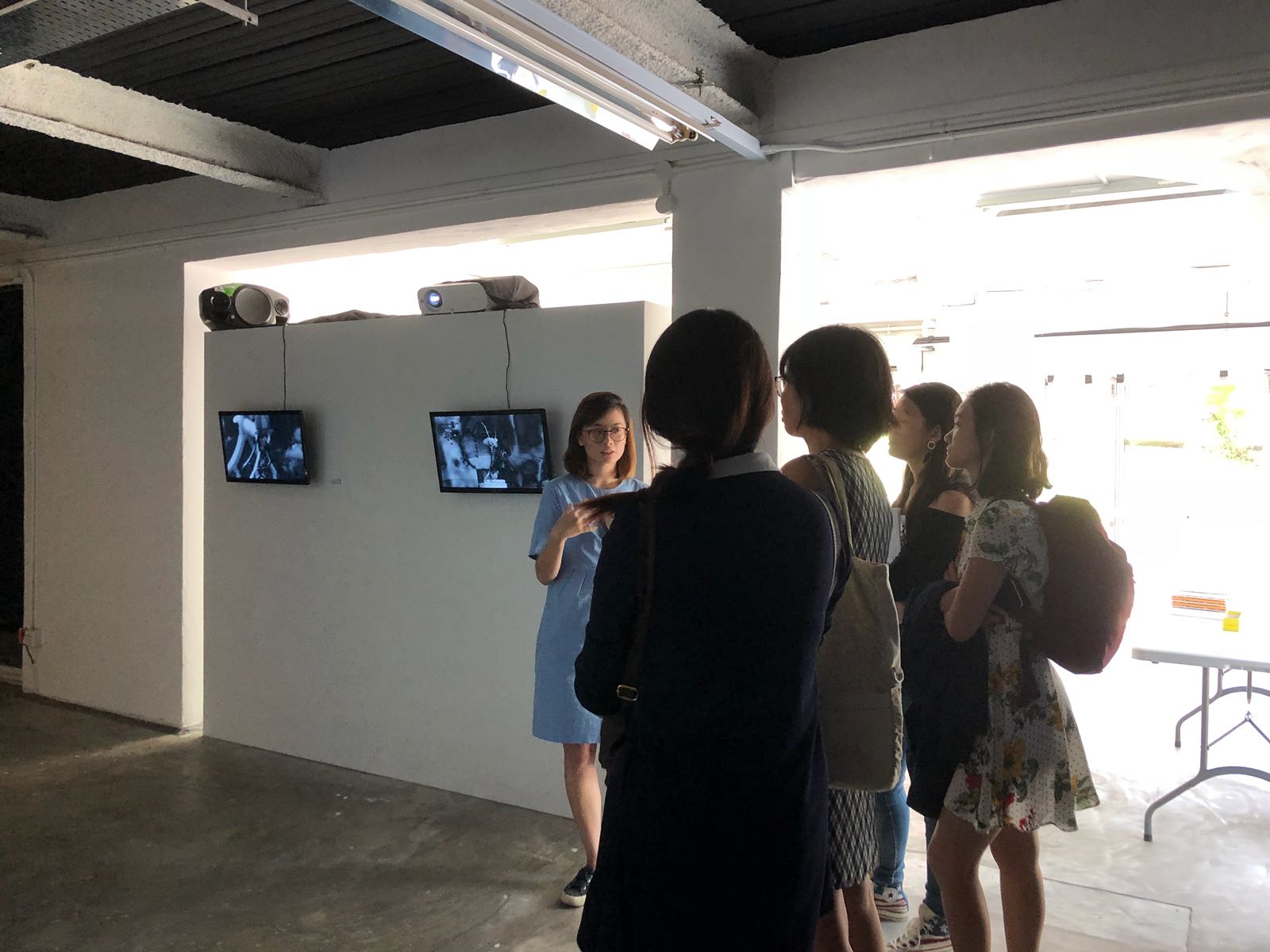
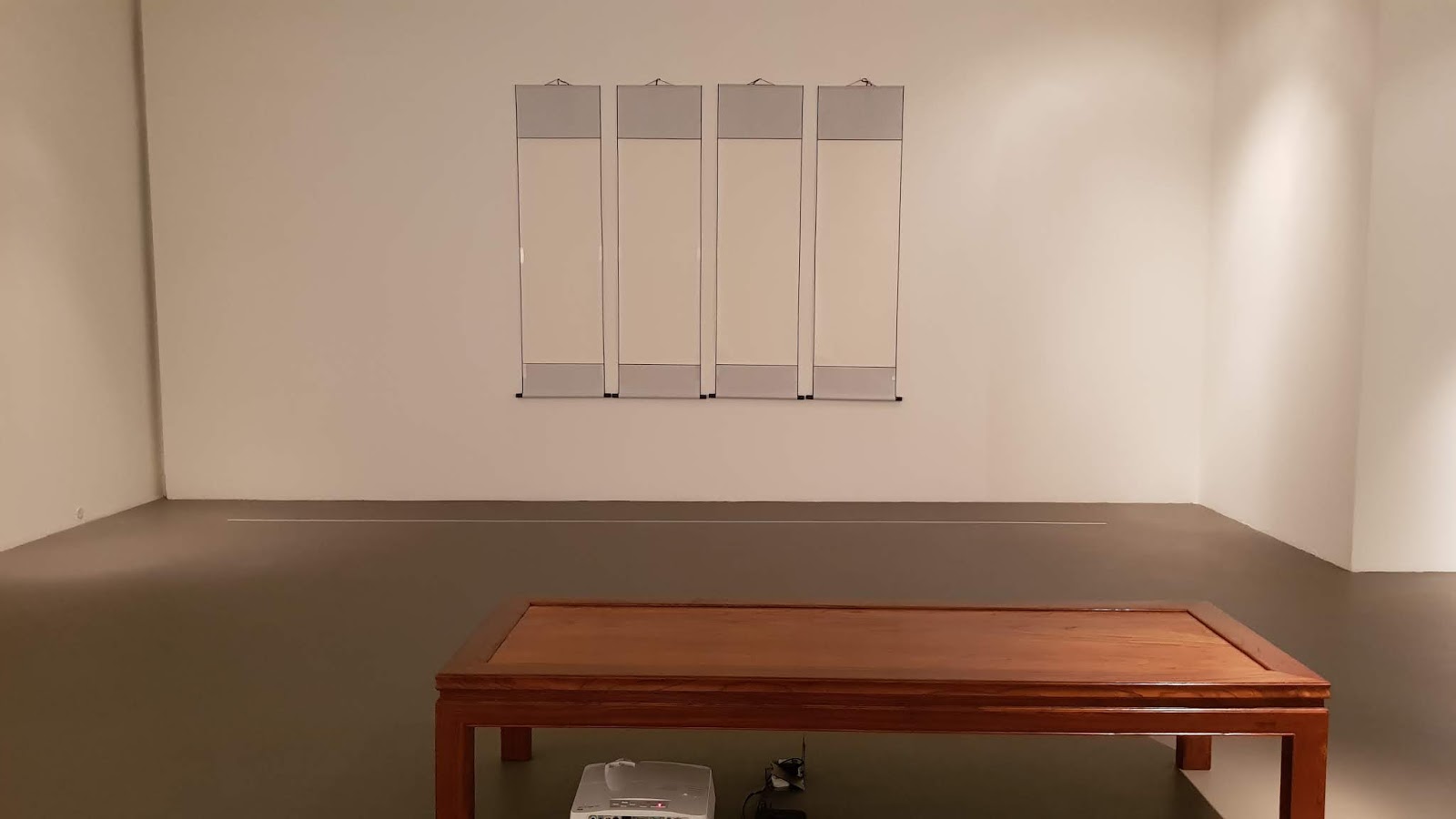
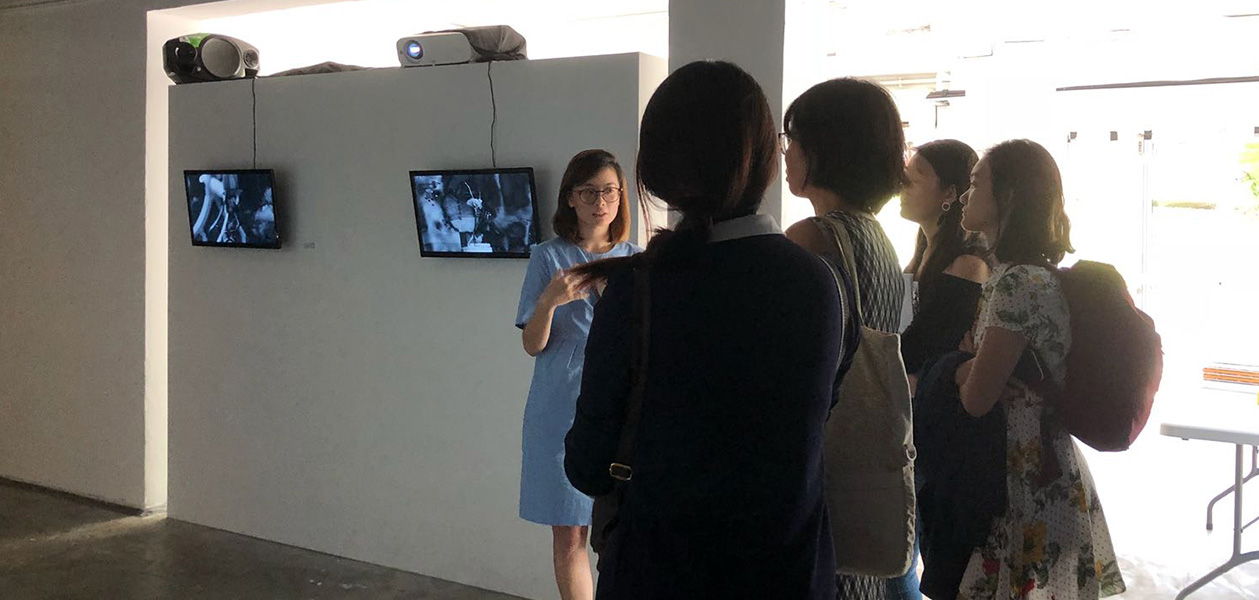
One afternoon sees me sitting cross-legged on the floor of the Pattani prep-room-in-progress. The aches in my body map the behind-the-scenes progress of every exhibition. My arms — from hauling and shifting the props and pedestals. My knees — from staying crouched by the televisions, tuning the volume of the noise that will fill the space. My head — from seemingly endless hours of staring at the space, drawing silk-thin links between the displays. What do these pieces want to say? Does that table look right in the corner? We would rearrange the floorboards if we could in our efforts to do the artists’ works justice.
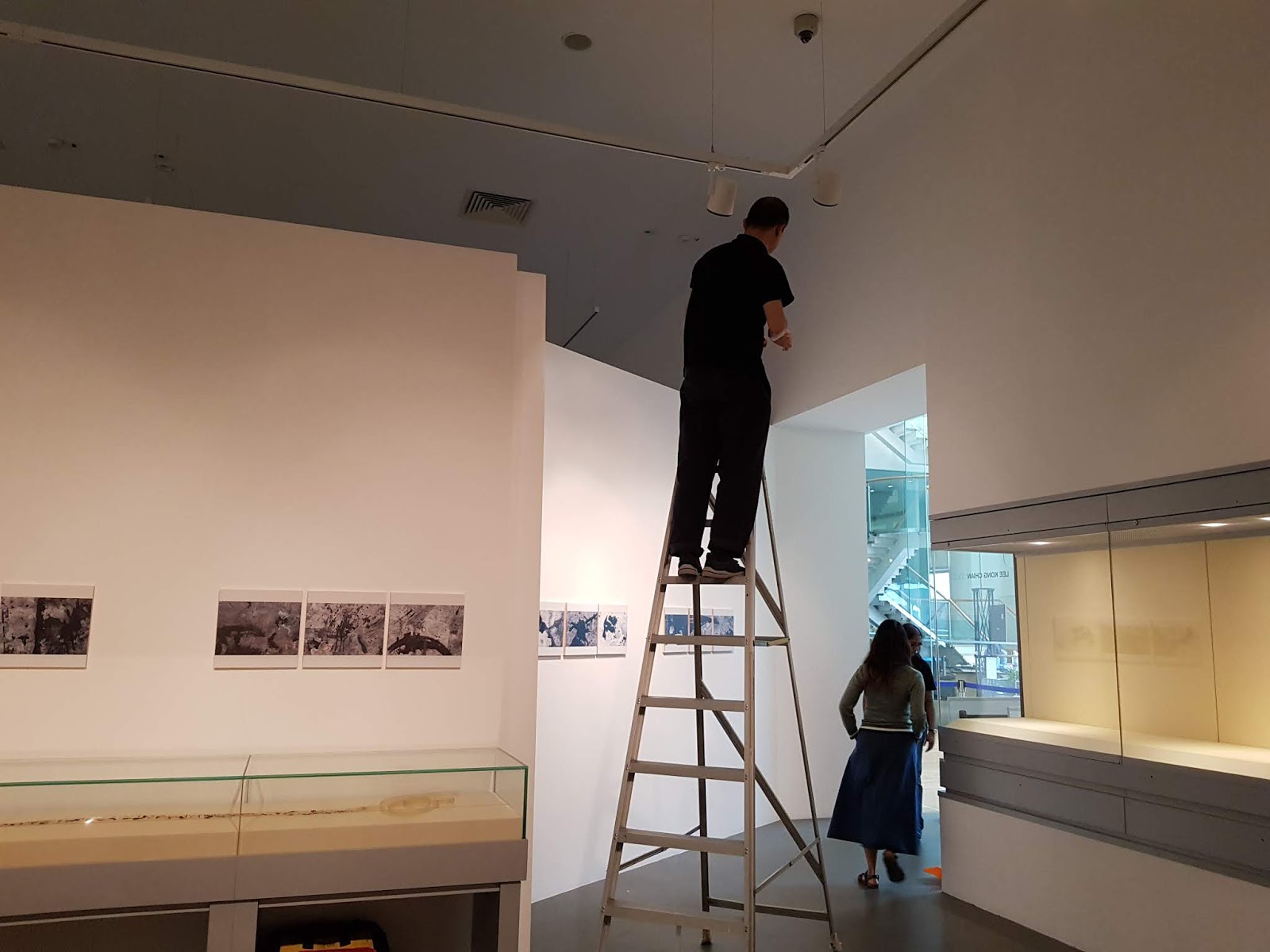
I wander. Suddenly I’m thrown into observing an installation much larger, much rawer than Pattani. Ladders, drills, wires — things that don’t seem to belong in a museum. I realise that it’s not that they don’t belong, but rather, we don’t think they belong. These tools, where have they not been that has been touched by man?
Have you thought about the programming that creates the words you’re currently reading? Behind each letter, there’s an entire system that creates the lines of each letter and spins them into words behind the screen. We read these words, but we never think about the words.
There’s a rush of discomfort and relief in noticing these details. It’s like being aware of your own breathing. It rattles your senses, drawing your attention to something you’ve always known but never actually thought about. Suddenly you can see after being blind, and you can’t take your eyes off it. My eyes will now always be drawn beyond the art pieces in galleries, watching the ghosts of the workers behind the physical set up of the space. They remain silent, invisible to the excited gazes of the visitors. Curtain call, and they rematerialize, leaving empty space to be painted in the colours of the next artist.
I spend one moment crouched behind a projector, brows furrowed, untrained fingers poking through the tangle of wires that the audience will never bother to notice. Another sees me rifling curiously through old scrolls and yellowed canvas in the storage spaces. Blink. I’m half-huddled into a small stool in the darkness of a studio, suffused in the sticky Singapore heat that invades the space – the space in which the artist carves their mark into the world and creates a world of their own. Blink. I’m at the end of the internship, typing out these very words.
It’s been a dizzy spin through these three summer-hot months, but I’ve come out with eyes much clearer. I’ve learned so, so much from this internship and met so many wonderful people. Everyone in the office and the museum has treated me with nothing but kindness, and for that, I thank you all.
- Student Voices
18 November 2025
16 May 2025
NUS Baba House to undergo two years of conservation works
Enthusiasts can look forward to a slate of programmes ahead of and during the temporary closure.
6 October 2023
NUS Museum receives largest-ever donation of Straits Chinese artefacts
"Collected by Mrs Alice Tan over a 30-year period, the donated artefacts will contribute to a deeper study of the impact of Straits Chinese culture in Singapore and the region, and provide broadened avenues for interdisciplinary collaborations."
15 August 2023
From personal photo collection to exhibition: NUS Museum's latest showcase features visual narratives by 9 members of the NUS community
Titled Photography Journal Open Call (PJOC), the exhibition presents an eclectic collection of photographic works by nine NUS students, alumni artists and academic staff.
12 April 2021
Nurturing a creative campus through public art advocacy
The Public Art Initiative was launched to underscore NUS’ commitment to deepening the role of public art in holistic, interdisciplinary and broad-based education.

8 October 2019
October at the NUS Museum: between war and the artist, art and the tropics
This October, NUS Museum unveils two new exhibitions surveying the art historical in the region from distinct positions.

31 May 2019
New exhibition from Gilles Massot to be unveiled at NUS Museum
“…you have to lose your way to find yourself in the right place” presents the works of Singapore-based French artist, Gilles Massot. Featuring a selection of photographs, videos, sketches and writings from his extensive corpus of works.

14 February 2019
Glossaries of the Straits Chinese Homemaking
Following eleven years of giving glimpses of a Peranakan family’s domestic life in the early 20th century, NUS Baba House presents the exhibition Glossaries of the Straits Chinese Homemaking.
22 March 2018
NUS' cultural icon refreshed for a new generation
The University Cultural Centre's first major renovation improves the high standard of guest comfort, efficiency and production possibilities.
3 February 2017
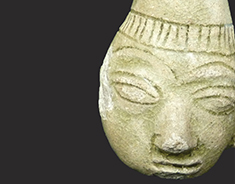
Exhibition: From the Ashes: Reviving Myanmar Celadon Ceramics
NUS Museum presents ongoing attempts to revive the technology of making ash-glazed ceramics in Myanmar.

23 November 2016
Exhibition: Between the brush lines of Lim Tze Peng
Solo exhibition at NUS Museum considers 70-year oeuvre of Singapore's oldest living artist.

1 November 2016
Book Launch: NUS Baba House launches inaugural guidebook
From architecture to social history, book reveals the myriad facets of Singapore's only restored Straits Chinese family home.
21 October 2016
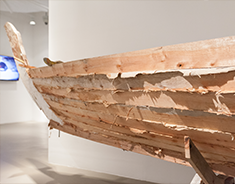
Exhibition: Looking within - What makes an exhibition?
NUS Museum presents exhibition introspecting into curatorial impulses and the exhibitionary medium.
1 July 2016
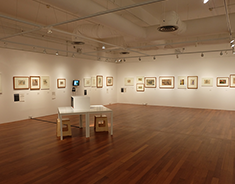
Exhibition: "Who wants to remember a war?"
NUS Museum draws on war posters, woodcuts and drawings to explore contemporary narratives of the Vietnam War.

10 May 2016
Award: NUS Museum wins inaugural award for innovative museological practice
International Committee of University Museums and Collections recognises efforts to facilitate conversation between audiences and exhibitions.
14 April 2016
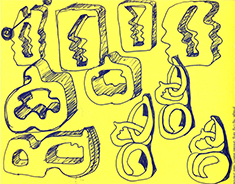
Exhibition: Figuring Ng Eng Teng
NUS Museum reveals unstudied elements and works from the late Cultural Medallion recipient’s practice.
Student Voices
Diary of an NUS Museum Intern: Ker Wei Qi
Diary of an NUS Museum Intern is a series of blog posts written by our interns about their experiences during the course of their internships. Working alongside their mentors, our interns have waded through tons of historical research, assisted in curatorial work, pitched in during exhibition installations and organised outreach events! If you would like to become our next intern, visit NUS Museum’s student development page for more information.
Wei Qi is a third-year English Literature student at the NUS Faculty of Arts and Social Sciences. Wei Qi assisted the collections team on various projects and exhibitions during her time here as our Collections Intern.
Ping.
My inbox lights up with an email among the slew of assignments in the rush of reading week. I spare a quick glance, cursor hovering over the ‘delete’ icon. My gaze catches on the words ‘internship’ and ‘NUS Museum’. I pause.
‘I love art’ is what I think I should say, but that’s probably too broad a statement, and one that sounds much grander than it really is. I love drawing. I love reading. My ambitions draw to a stop there. Maybe working in a museum doesn’t quite fit my not-ambitions, but my recklessness is inspired.
Click.
One afternoon sees me sitting cross-legged on the floor of the Pattani prep-room-in-progress. The aches in my body map the behind-the-scenes progress of every exhibition. My arms — from hauling and shifting the props and pedestals. My knees — from staying crouched by the televisions, tuning the volume of the noise that will fill the space. My head — from seemingly endless hours of staring at the space, drawing silk-thin links between the displays. What do these pieces want to say? Does that table look right in the corner? We would rearrange the floorboards if we could in our efforts to do the artists’ works justice.
I wander. Suddenly I’m thrown into observing an installation much larger, much rawer than Pattani. Ladders, drills, wires — things that don’t seem to belong in a museum. I realise that it’s not that they don’t belong, but rather, we don’t think they belong. These tools, where have they not been that has been touched by man?
Have you thought about the programming that creates the words you’re currently reading? Behind each letter, there’s an entire system that creates the lines of each letter and spins them into words behind the screen. We read these words, but we never think about the words.
There’s a rush of discomfort and relief in noticing these details. It’s like being aware of your own breathing. It rattles your senses, drawing your attention to something you’ve always known but never actually thought about. Suddenly you can see after being blind, and you can’t take your eyes off it. My eyes will now always be drawn beyond the art pieces in galleries, watching the ghosts of the workers behind the physical set up of the space. They remain silent, invisible to the excited gazes of the visitors. Curtain call, and they rematerialize, leaving empty space to be painted in the colours of the next artist.
I spend one moment crouched behind a projector, brows furrowed, untrained fingers poking through the tangle of wires that the audience will never bother to notice. Another sees me rifling curiously through old scrolls and yellowed canvas in the storage spaces. Blink. I’m half-huddled into a small stool in the darkness of a studio, suffused in the sticky Singapore heat that invades the space – the space in which the artist carves their mark into the world and creates a world of their own. Blink. I’m at the end of the internship, typing out these very words.
It’s been a dizzy spin through these three summer-hot months, but I’ve come out with eyes much clearer. I’ve learned so, so much from this internship and met so many wonderful people. Everyone in the office and the museum has treated me with nothing but kindness, and for that, I thank you all.
- Student Voices


News
18 November 2025
16 May 2025
NUS Baba House to undergo two years of conservation works
Enthusiasts can look forward to a slate of programmes ahead of and during the temporary closure.
6 October 2023
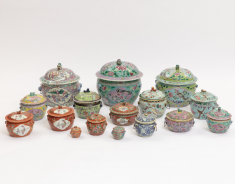
NUS Museum receives largest-ever donation of Straits Chinese artefacts
"Collected by Mrs Alice Tan over a 30-year period, the donated artefacts will contribute to a deeper study of the impact of Straits Chinese culture in Singapore and the region, and provide broadened avenues for interdisciplinary collaborations."
15 August 2023
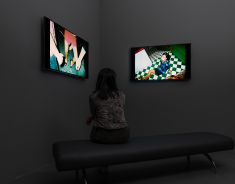
From personal photo collection to exhibition: NUS Museum's latest showcase features visual narratives by 9 members of the NUS community
Titled Photography Journal Open Call (PJOC), the exhibition presents an eclectic collection of photographic works by nine NUS students, alumni artists and academic staff.
12 April 2021
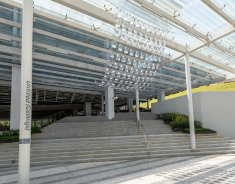
Nurturing a creative campus through public art advocacy
The Public Art Initiative was launched to underscore NUS’ commitment to deepening the role of public art in holistic, interdisciplinary and broad-based education.
8 October 2019
October at the NUS Museum: between war and the artist, art and the tropics
This October, NUS Museum unveils two new exhibitions surveying the art historical in the region from distinct positions.
31 May 2019
New exhibition from Gilles Massot to be unveiled at NUS Museum
“…you have to lose your way to find yourself in the right place” presents the works of Singapore-based French artist, Gilles Massot. Featuring a selection of photographs, videos, sketches and writings from his extensive corpus of works.
14 February 2019
Glossaries of the Straits Chinese Homemaking
Following eleven years of giving glimpses of a Peranakan family’s domestic life in the early 20th century, NUS Baba House presents the exhibition Glossaries of the Straits Chinese Homemaking.
22 March 2018
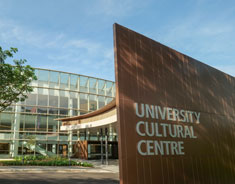
NUS' cultural icon refreshed for a new generation
The University Cultural Centre's first major renovation improves the high standard of guest comfort, efficiency and production possibilities.
3 February 2017
Exhibition: From the Ashes: Reviving Myanmar Celadon Ceramics
NUS Museum presents ongoing attempts to revive the technology of making ash-glazed ceramics in Myanmar.
23 November 2016
Exhibition: Between the brush lines of Lim Tze Peng
Solo exhibition at NUS Museum considers 70-year oeuvre of Singapore's oldest living artist.
1 November 2016
Book Launch: NUS Baba House launches inaugural guidebook
From architecture to social history, book reveals the myriad facets of Singapore's only restored Straits Chinese family home.
21 October 2016
Exhibition: Looking within - What makes an exhibition?
NUS Museum presents exhibition introspecting into curatorial impulses and the exhibitionary medium.
1 July 2016
Exhibition: "Who wants to remember a war?"
NUS Museum draws on war posters, woodcuts and drawings to explore contemporary narratives of the Vietnam War.
10 May 2016
Award: NUS Museum wins inaugural award for innovative museological practice
International Committee of University Museums and Collections recognises efforts to facilitate conversation between audiences and exhibitions.
14 April 2016
Exhibition: Figuring Ng Eng Teng
NUS Museum reveals unstudied elements and works from the late Cultural Medallion recipient’s practice.
Leave a comment