Press Enquiries
Please direct all press enquiries and image requests to museum@nus.edu.sg.
In The Spotlight
Diary of an NUS Museum Intern: Shen Yunni
Diary of an NUS Museum Intern is a series of blog posts written by our interns about their experiences during the course of their internships. Working alongside their mentors, our interns have waded through tons of historical research, assisted in curatorial work, pitched in during exhibition installations and organised outreach events! If you would like to become our next intern, visit NUS Museum’s student development page for more information.
Shen Yunni is a third-year Political Science student at the NUS Faculty of Arts and Social Sciences. As our Baba House Outreach Intern, Yunni assisted in the research, planning, and marketing of the Baba House Docent Training Programme and other Outreach programmes, as well as assisting with the Baba House tour logistics and house operations.
Straits Chinese, also known as the Peranakan Chinese, has always been a familiar yet faraway community for me. Why would someone like me, neither from a Peranakan descent nor with an Art History minor, be doing interning at the NUS Baba House? Thankfully I have found my answers after a brief 5-week stint at the NUS Museum. Apart from the rich culture which the Straits Chinese possesses, evident from a brief walk in the ornate Baba House where many artefacts or furniture seem to speak stories, I had an opportunity to look past the Baba House and research upon the Neil Road neighborhood as well.
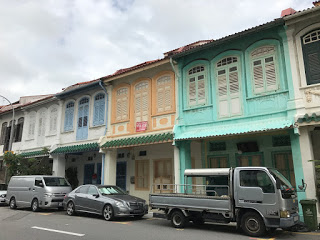
As I headed off to the NLB (the flexible work stations & working hours were a huge plus point of this internship), I was happy to be greeted with a myriad of sources that relayed information on my topic of interest. Situated at the end of Neil Road, Baba House was once part of the old streets of Chinatown where culture and heritage converge. Tracing back to the 1800s, Neil Road was formerly known as Salat Road, the Malay term for “Straits” and part of a nutmeg plantation that flourished on Duxton Hill till the late 1850s. Till today, the preservation of different Straits Chinese-style shophouses in the neighborhood was not due to coincidence but rather, attributed to careful conservation by authorities such as the Urban Redevelopment Authority. This has allowed me to reflect and question the tradeoff between conservation and development of Singapore where hard choices often had to be made to progress as a nation, yet preserve our heritage in a place where we call Home. What were some of criterion and how were these decisions made with different stakeholders?
Apart from engaging in research for the Baba House Docent Training programme, I was also involved in the daily operations and logistics of the house. Coincidentally, this period of time was also the period where renovation works were done at the house; as I experienced the daily beeping of the intercom where we let various workers and parties in, the realization of the difficulty of maintaining a heritage house neatly struck me deeply in the midst of my daily work.
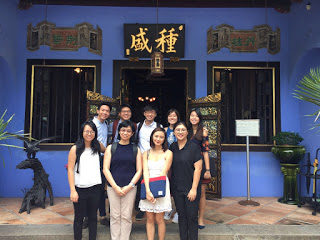
In another aspect of the internship, weekly museum visits and workshops at the NUS Museum were highlights for me. I especially relish in the guided introductions given by curators in places such as the National Gallery when we made a visit there; I had the chance to broaden my understanding of pioneer artists of Singapore such as Koeh Sia Yong and Chen Wen Hsi, where different art techniques and motives were pointed out to reflect the tumultuous Singapore landscape then where social problems were prevalent. Struggles and adaptations made by these local artists were palpable, reflected in different art styles over time, from pre-colonial to contemporary. Workshops at the NUS Museum have also exposed the relations and dilemmas taken to establish exhibitions; the tripartite relationship of the curators, collections officers, and conservators is intriguing where a fine line has to be treaded to adhere to the wishes of all three parties.
As the internship draws to a close, I have to thank Poonam and Jenica at the Baba House for their patience and guidance. This journey has been a steep but enriching learning curve and it has indeed shone a light on the various parts of museum work. Much thanks to Michelle for organizing these trips and being so welcoming and all the other interns at the main office for letting me feel included whenever I’m back as well!
- Student Voices
18 November 2025
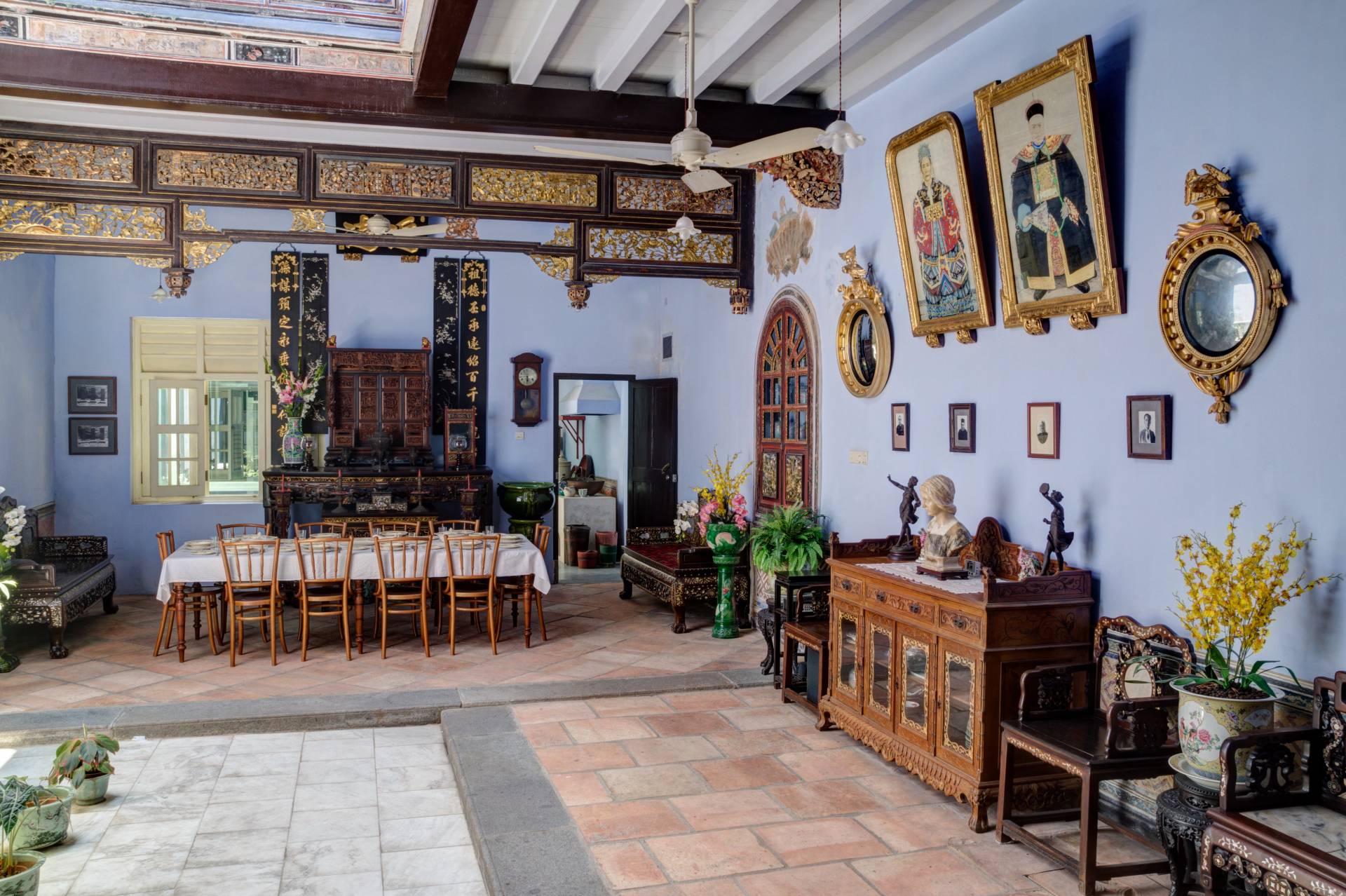
16 May 2025
NUS Baba House to undergo two years of conservation works
Enthusiasts can look forward to a slate of programmes ahead of and during the temporary closure.
6 October 2023
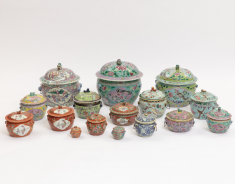
NUS Museum receives largest-ever donation of Straits Chinese artefacts
"Collected by Mrs Alice Tan over a 30-year period, the donated artefacts will contribute to a deeper study of the impact of Straits Chinese culture in Singapore and the region, and provide broadened avenues for interdisciplinary collaborations."
15 August 2023
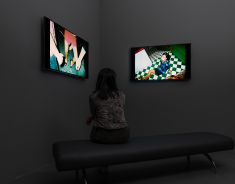
From personal photo collection to exhibition: NUS Museum's latest showcase features visual narratives by 9 members of the NUS community
Titled Photography Journal Open Call (PJOC), the exhibition presents an eclectic collection of photographic works by nine NUS students, alumni artists and academic staff.
12 April 2021
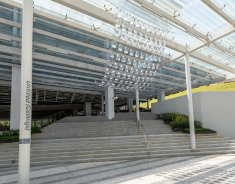
Nurturing a creative campus through public art advocacy
The Public Art Initiative was launched to underscore NUS’ commitment to deepening the role of public art in holistic, interdisciplinary and broad-based education.

8 October 2019
October at the NUS Museum: between war and the artist, art and the tropics
This October, NUS Museum unveils two new exhibitions surveying the art historical in the region from distinct positions.

31 May 2019
New exhibition from Gilles Massot to be unveiled at NUS Museum
“…you have to lose your way to find yourself in the right place” presents the works of Singapore-based French artist, Gilles Massot. Featuring a selection of photographs, videos, sketches and writings from his extensive corpus of works.

14 February 2019
Glossaries of the Straits Chinese Homemaking
Following eleven years of giving glimpses of a Peranakan family’s domestic life in the early 20th century, NUS Baba House presents the exhibition Glossaries of the Straits Chinese Homemaking.
22 March 2018
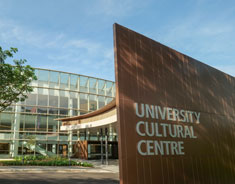
NUS' cultural icon refreshed for a new generation
The University Cultural Centre's first major renovation improves the high standard of guest comfort, efficiency and production possibilities.
3 February 2017
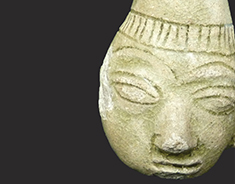
Exhibition: From the Ashes: Reviving Myanmar Celadon Ceramics
NUS Museum presents ongoing attempts to revive the technology of making ash-glazed ceramics in Myanmar.

23 November 2016
Exhibition: Between the brush lines of Lim Tze Peng
Solo exhibition at NUS Museum considers 70-year oeuvre of Singapore's oldest living artist.

1 November 2016
Book Launch: NUS Baba House launches inaugural guidebook
From architecture to social history, book reveals the myriad facets of Singapore's only restored Straits Chinese family home.
21 October 2016
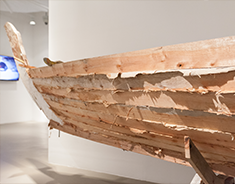
Exhibition: Looking within - What makes an exhibition?
NUS Museum presents exhibition introspecting into curatorial impulses and the exhibitionary medium.
1 July 2016
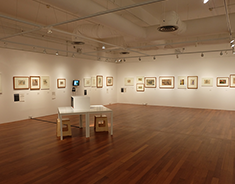
Exhibition: "Who wants to remember a war?"
NUS Museum draws on war posters, woodcuts and drawings to explore contemporary narratives of the Vietnam War.

10 May 2016
Award: NUS Museum wins inaugural award for innovative museological practice
International Committee of University Museums and Collections recognises efforts to facilitate conversation between audiences and exhibitions.
14 April 2016
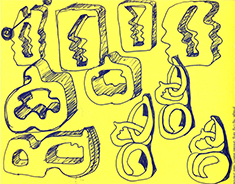
Exhibition: Figuring Ng Eng Teng
NUS Museum reveals unstudied elements and works from the late Cultural Medallion recipient’s practice.
Student Voices
Diary of an NUS Museum Intern: Shen Yunni
Diary of an NUS Museum Intern is a series of blog posts written by our interns about their experiences during the course of their internships. Working alongside their mentors, our interns have waded through tons of historical research, assisted in curatorial work, pitched in during exhibition installations and organised outreach events! If you would like to become our next intern, visit NUS Museum’s student development page for more information.
Shen Yunni is a third-year Political Science student at the NUS Faculty of Arts and Social Sciences. As our Baba House Outreach Intern, Yunni assisted in the research, planning, and marketing of the Baba House Docent Training Programme and other Outreach programmes, as well as assisting with the Baba House tour logistics and house operations.
Straits Chinese, also known as the Peranakan Chinese, has always been a familiar yet faraway community for me. Why would someone like me, neither from a Peranakan descent nor with an Art History minor, be doing interning at the NUS Baba House? Thankfully I have found my answers after a brief 5-week stint at the NUS Museum. Apart from the rich culture which the Straits Chinese possesses, evident from a brief walk in the ornate Baba House where many artefacts or furniture seem to speak stories, I had an opportunity to look past the Baba House and research upon the Neil Road neighborhood as well.
As I headed off to the NLB (the flexible work stations & working hours were a huge plus point of this internship), I was happy to be greeted with a myriad of sources that relayed information on my topic of interest. Situated at the end of Neil Road, Baba House was once part of the old streets of Chinatown where culture and heritage converge. Tracing back to the 1800s, Neil Road was formerly known as Salat Road, the Malay term for “Straits” and part of a nutmeg plantation that flourished on Duxton Hill till the late 1850s. Till today, the preservation of different Straits Chinese-style shophouses in the neighborhood was not due to coincidence but rather, attributed to careful conservation by authorities such as the Urban Redevelopment Authority. This has allowed me to reflect and question the tradeoff between conservation and development of Singapore where hard choices often had to be made to progress as a nation, yet preserve our heritage in a place where we call Home. What were some of criterion and how were these decisions made with different stakeholders?
Apart from engaging in research for the Baba House Docent Training programme, I was also involved in the daily operations and logistics of the house. Coincidentally, this period of time was also the period where renovation works were done at the house; as I experienced the daily beeping of the intercom where we let various workers and parties in, the realization of the difficulty of maintaining a heritage house neatly struck me deeply in the midst of my daily work.
In another aspect of the internship, weekly museum visits and workshops at the NUS Museum were highlights for me. I especially relish in the guided introductions given by curators in places such as the National Gallery when we made a visit there; I had the chance to broaden my understanding of pioneer artists of Singapore such as Koeh Sia Yong and Chen Wen Hsi, where different art techniques and motives were pointed out to reflect the tumultuous Singapore landscape then where social problems were prevalent. Struggles and adaptations made by these local artists were palpable, reflected in different art styles over time, from pre-colonial to contemporary. Workshops at the NUS Museum have also exposed the relations and dilemmas taken to establish exhibitions; the tripartite relationship of the curators, collections officers, and conservators is intriguing where a fine line has to be treaded to adhere to the wishes of all three parties.
As the internship draws to a close, I have to thank Poonam and Jenica at the Baba House for their patience and guidance. This journey has been a steep but enriching learning curve and it has indeed shone a light on the various parts of museum work. Much thanks to Michelle for organizing these trips and being so welcoming and all the other interns at the main office for letting me feel included whenever I’m back as well!
- Student Voices


News
18 November 2025
16 May 2025
NUS Baba House to undergo two years of conservation works
Enthusiasts can look forward to a slate of programmes ahead of and during the temporary closure.
6 October 2023
NUS Museum receives largest-ever donation of Straits Chinese artefacts
"Collected by Mrs Alice Tan over a 30-year period, the donated artefacts will contribute to a deeper study of the impact of Straits Chinese culture in Singapore and the region, and provide broadened avenues for interdisciplinary collaborations."
15 August 2023
From personal photo collection to exhibition: NUS Museum's latest showcase features visual narratives by 9 members of the NUS community
Titled Photography Journal Open Call (PJOC), the exhibition presents an eclectic collection of photographic works by nine NUS students, alumni artists and academic staff.
12 April 2021
Nurturing a creative campus through public art advocacy
The Public Art Initiative was launched to underscore NUS’ commitment to deepening the role of public art in holistic, interdisciplinary and broad-based education.
8 October 2019
October at the NUS Museum: between war and the artist, art and the tropics
This October, NUS Museum unveils two new exhibitions surveying the art historical in the region from distinct positions.
31 May 2019
New exhibition from Gilles Massot to be unveiled at NUS Museum
“…you have to lose your way to find yourself in the right place” presents the works of Singapore-based French artist, Gilles Massot. Featuring a selection of photographs, videos, sketches and writings from his extensive corpus of works.
14 February 2019
Glossaries of the Straits Chinese Homemaking
Following eleven years of giving glimpses of a Peranakan family’s domestic life in the early 20th century, NUS Baba House presents the exhibition Glossaries of the Straits Chinese Homemaking.
22 March 2018
NUS' cultural icon refreshed for a new generation
The University Cultural Centre's first major renovation improves the high standard of guest comfort, efficiency and production possibilities.
3 February 2017
Exhibition: From the Ashes: Reviving Myanmar Celadon Ceramics
NUS Museum presents ongoing attempts to revive the technology of making ash-glazed ceramics in Myanmar.
23 November 2016
Exhibition: Between the brush lines of Lim Tze Peng
Solo exhibition at NUS Museum considers 70-year oeuvre of Singapore's oldest living artist.
1 November 2016
Book Launch: NUS Baba House launches inaugural guidebook
From architecture to social history, book reveals the myriad facets of Singapore's only restored Straits Chinese family home.
21 October 2016
Exhibition: Looking within - What makes an exhibition?
NUS Museum presents exhibition introspecting into curatorial impulses and the exhibitionary medium.
1 July 2016
Exhibition: "Who wants to remember a war?"
NUS Museum draws on war posters, woodcuts and drawings to explore contemporary narratives of the Vietnam War.
10 May 2016
Award: NUS Museum wins inaugural award for innovative museological practice
International Committee of University Museums and Collections recognises efforts to facilitate conversation between audiences and exhibitions.
14 April 2016
Exhibition: Figuring Ng Eng Teng
NUS Museum reveals unstudied elements and works from the late Cultural Medallion recipient’s practice.
Leave a comment