Press Enquiries
Please direct all press enquiries and image requests to museum@nus.edu.sg.
In The Spotlight
On Being a Docent at the NUS Baba House: Volunteering at a Heritage Home
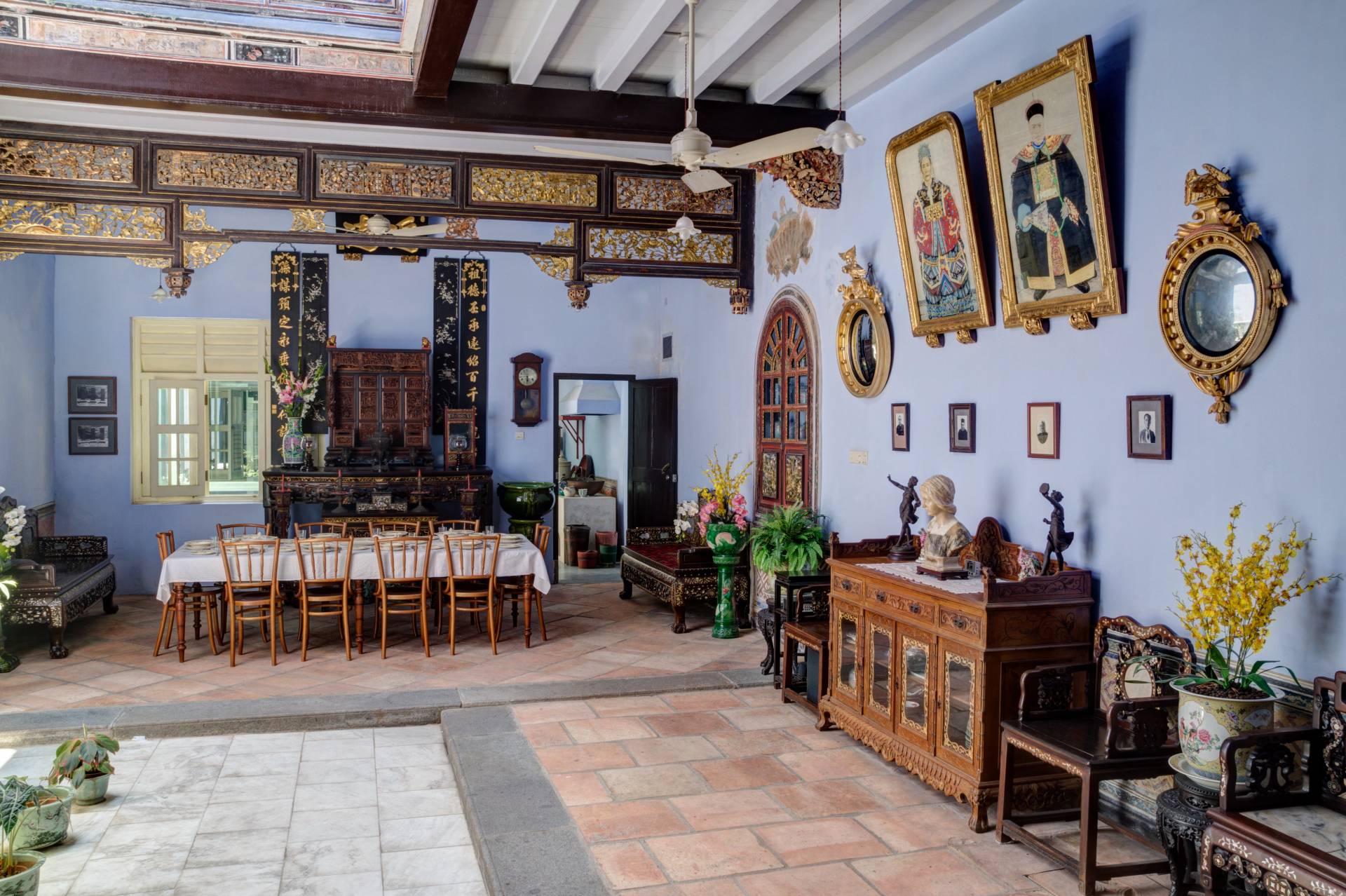
Derived from the Latin word docere meaning ‘to teach, or to lecture,’ docents are volunteer guides who are instrumental to the activities at the NUS Baba House, leading regular heritage tours as well as co-creating and hosting educational visits with groups of all ages.
Becoming a docent is no easy feat – in order to guide the heritage tours, they are required to have an acute and nuanced knowledge of the NUS Baba House’s history, urban heritage and restoration, as well as the social history of Peranakan culture. Our Baba House docents undergo a training programme in order to equip themselves with the requisite knowledge and skills to engage audiences of all ages, nationalities, and backgrounds. Of course, their role also allows them to use and refine their skills in public speaking and audience engagement!
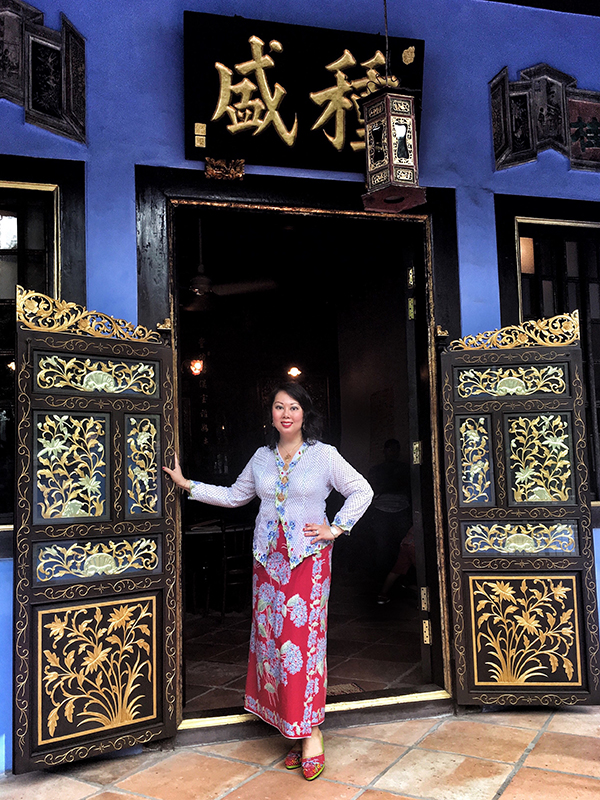
In this article, we hear from one of our docents, Dawn Marie Lee, a sixth-generation Peranakan who has been a docent with us since 2015. She is the editor of the award-winning magazine, The Peranakan, and volunteers with The Peranakan Association Singapore. She has worked with the House in developing children’s tours and programmes, and has also hosted tours for diplomats and academics alike.
Q: What made you decide to become a docent?
I first visited the NUS Baba House in July 2015. It was by chance that I found out about the docent training program a week before my visit. I fell in love with the house immediately! It was as though I had stepped back in time.
I had recently moved back to Singapore after living abroad with my family for seven years in Turkey, France, and India. I had lost my father to cancer and returned home to look after my mother. My years abroad made me more aware of my cultural identity. My son’s birth spurred me on to dig deeper into my roots so I could teach him about our Peranakan heritage, just as my Dad had taught me.
Becoming a docent at the Baba House was a homecoming of sorts for me, a way to connect to my roots. I think my Dad would have been proud of me because in his retirement, he was a docent too, at a military museum. We had a shared love of history and antiques.
Q: What are some of the most memorable moments during your time guiding at the Baba House?
We get quite a number of foreign visitors at the Baba House and sometimes they point out similar artifacts that they have seen among their family heirlooms, such as the Victorian ceramic water filter in the kitchen.
One of my guests, an elderly Englishman, told me a bit about the history of such filters because he collects them. He said that in 1835, Queen Victoria had commissioned the Doulton ceramics company to design an elegant but practical water filter for her own use. Cholera was a common problem during that time, and these ceramic filters made water safe for drinking. I was happy to learn something new from a guest!
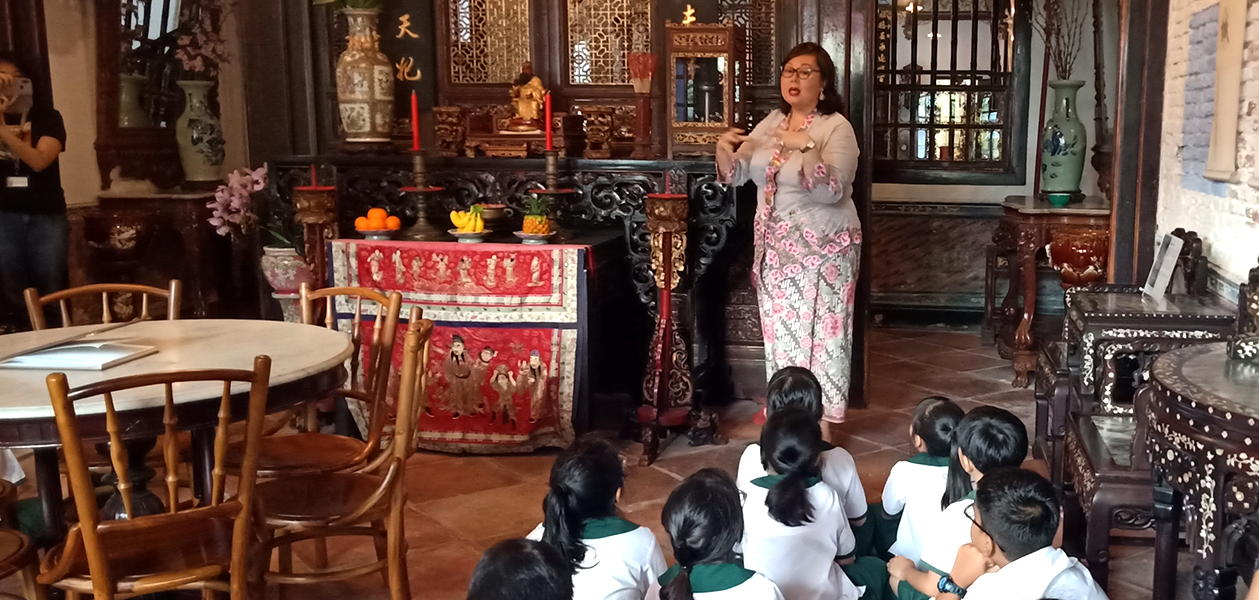
I also really enjoy guiding children because they are so naturally curious and view things with such wonder. When the Baba House started Children’s Tours in January this year, I guided a group of primary school children. They were very inquisitive and asked some questions that stumped me, like “Where did the family put their shoes after coming home?” or “What did they feed the dogs?” (after I pointed out the dog paw prints embedded in the floor near the ancestral altar.)
Q: In what ways are a docent’s role important in the museum education landscape?
I believe that a docent, in a nutshell, is a trained storyteller who brings a museum and its artifacts to life.
Essentially, museums exist for education and enjoyment. I’d also like to think that they encourage people to think about humanity.
But like it or not, museums can sometimes be pretty dull to visit, no matter how much information is written on the artefact labels. Visitors can walk around and view beautiful things but still come away with no sense of wonder or connection to what they have seen.
On a guided tour, a docent tells you stories about an object or painting; about its past and its importance in history; about its cultural significance, the people connected to it, and how it was made or used. Listening to such stories could trigger a memory or evoke an emotion. This makes a museum visit so much more meaningful.
Best of all, docents can help to answer questions you have about what you’ve seen or heard. An audio guide can’t do that!
Q: What advice would you give to students or youth who are interested in volunteering with museums?
If you are curious about a certain subject and are keen to learn more, becoming a volunteer docent is an enriching way to do that.
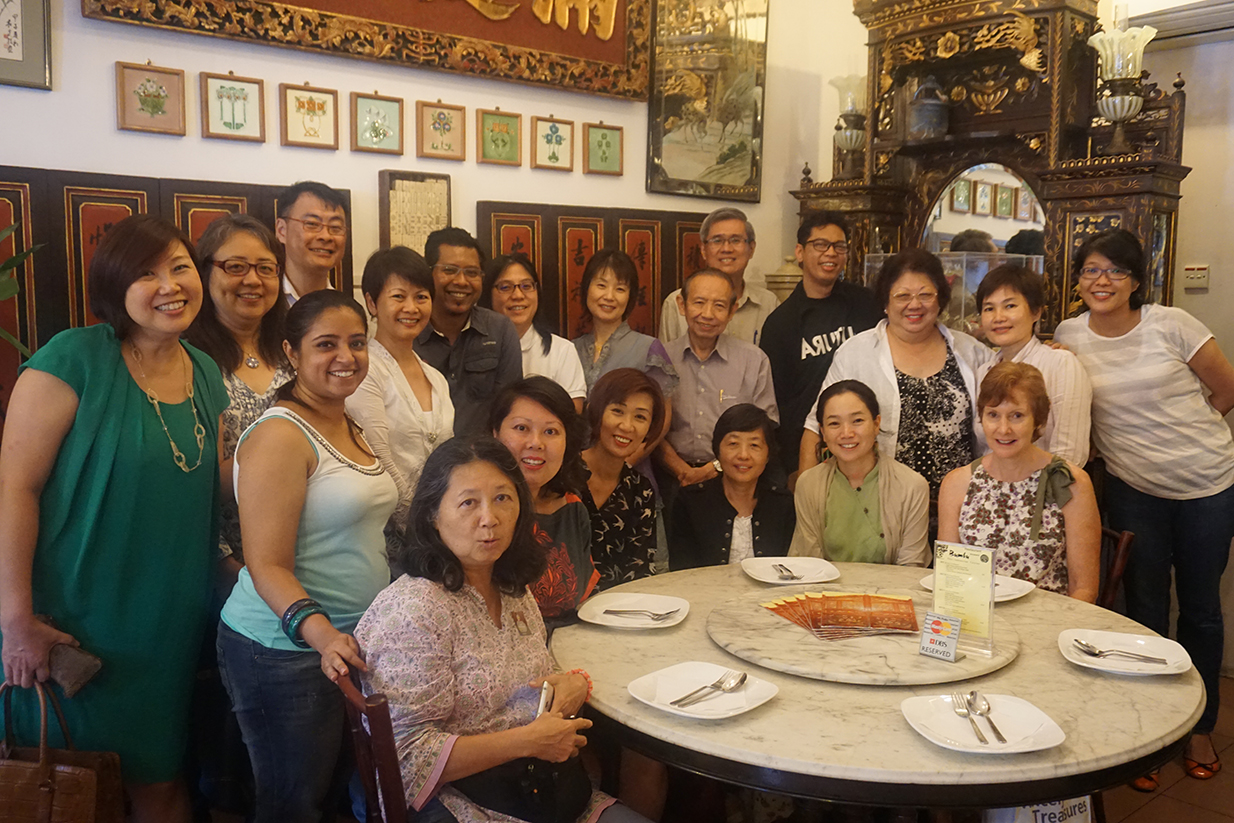
Docent training at the Baba House lasts about four months and is quite detailed with a good amount of research materials to study. We had good mentors and had experts in different fields give us talks about Peranakan history, culture, cuisine, architectural conservation and symbolism of motifs found in the house.
I would encourage anyone interested in volunteering with a museum to first experience it on a guided tour with a docent if possible. That way, you will get an idea of what will be expected of you, and also experience how a museum visit can be so much more meaningful with a docent.
Taking the first step to volunteer in a museum might seem daunting but can ultimately prove to be an enriching and rewarding experience. The NUS Baba House runs docent and volunteer training programmes regularly. To register your interest in being a docent or volunteer at the NUS Baba House, drop us a message at babahouse@nus.edu.sg and receive updates on our next training programme intake.
18 November 2025
16 May 2025
NUS Baba House to undergo two years of conservation works
Enthusiasts can look forward to a slate of programmes ahead of and during the temporary closure.
6 October 2023
NUS Museum receives largest-ever donation of Straits Chinese artefacts
"Collected by Mrs Alice Tan over a 30-year period, the donated artefacts will contribute to a deeper study of the impact of Straits Chinese culture in Singapore and the region, and provide broadened avenues for interdisciplinary collaborations."
15 August 2023
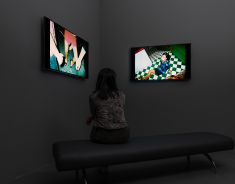
From personal photo collection to exhibition: NUS Museum's latest showcase features visual narratives by 9 members of the NUS community
Titled Photography Journal Open Call (PJOC), the exhibition presents an eclectic collection of photographic works by nine NUS students, alumni artists and academic staff.
12 April 2021
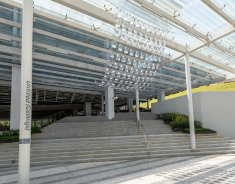
Nurturing a creative campus through public art advocacy
The Public Art Initiative was launched to underscore NUS’ commitment to deepening the role of public art in holistic, interdisciplinary and broad-based education.

8 October 2019
October at the NUS Museum: between war and the artist, art and the tropics
This October, NUS Museum unveils two new exhibitions surveying the art historical in the region from distinct positions.

31 May 2019
New exhibition from Gilles Massot to be unveiled at NUS Museum
“…you have to lose your way to find yourself in the right place” presents the works of Singapore-based French artist, Gilles Massot. Featuring a selection of photographs, videos, sketches and writings from his extensive corpus of works.

14 February 2019
Glossaries of the Straits Chinese Homemaking
Following eleven years of giving glimpses of a Peranakan family’s domestic life in the early 20th century, NUS Baba House presents the exhibition Glossaries of the Straits Chinese Homemaking.
22 March 2018
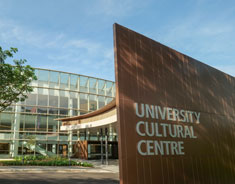
NUS' cultural icon refreshed for a new generation
The University Cultural Centre's first major renovation improves the high standard of guest comfort, efficiency and production possibilities.
3 February 2017
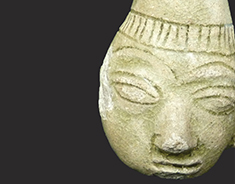
Exhibition: From the Ashes: Reviving Myanmar Celadon Ceramics
NUS Museum presents ongoing attempts to revive the technology of making ash-glazed ceramics in Myanmar.

23 November 2016
Exhibition: Between the brush lines of Lim Tze Peng
Solo exhibition at NUS Museum considers 70-year oeuvre of Singapore's oldest living artist.

1 November 2016
Book Launch: NUS Baba House launches inaugural guidebook
From architecture to social history, book reveals the myriad facets of Singapore's only restored Straits Chinese family home.
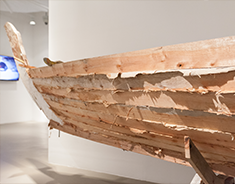
21 October 2016
Exhibition: Looking within - What makes an exhibition?
NUS Museum presents exhibition introspecting into curatorial impulses and the exhibitionary medium.
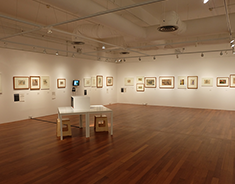
1 July 2016
Exhibition: "Who wants to remember a war?"
NUS Museum draws on war posters, woodcuts and drawings to explore contemporary narratives of the Vietnam War.

10 May 2016
Award: NUS Museum wins inaugural award for innovative museological practice
International Committee of University Museums and Collections recognises efforts to facilitate conversation between audiences and exhibitions.
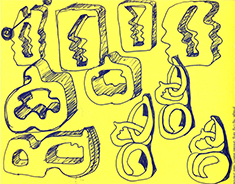
14 April 2016
Exhibition: Figuring Ng Eng Teng
NUS Museum reveals unstudied elements and works from the late Cultural Medallion recipient’s practice.
Student Voices
On Being a Docent at the NUS Baba House: Volunteering at a Heritage Home
Derived from the Latin word docere meaning ‘to teach, or to lecture,’ docents are volunteer guides who are instrumental to the activities at the NUS Baba House, leading regular heritage tours as well as co-creating and hosting educational visits with groups of all ages.
Becoming a docent is no easy feat – in order to guide the heritage tours, they are required to have an acute and nuanced knowledge of the NUS Baba House’s history, urban heritage and restoration, as well as the social history of Peranakan culture. Our Baba House docents undergo a training programme in order to equip themselves with the requisite knowledge and skills to engage audiences of all ages, nationalities, and backgrounds. Of course, their role also allows them to use and refine their skills in public speaking and audience engagement!
In this article, we hear from one of our docents, Dawn Marie Lee, a sixth-generation Peranakan who has been a docent with us since 2015. She is the editor of the award-winning magazine, The Peranakan, and volunteers with The Peranakan Association Singapore. She has worked with the House in developing children’s tours and programmes, and has also hosted tours for diplomats and academics alike.
Q: What made you decide to become a docent?
I first visited the NUS Baba House in July 2015. It was by chance that I found out about the docent training program a week before my visit. I fell in love with the house immediately! It was as though I had stepped back in time.
I had recently moved back to Singapore after living abroad with my family for seven years in Turkey, France, and India. I had lost my father to cancer and returned home to look after my mother. My years abroad made me more aware of my cultural identity. My son’s birth spurred me on to dig deeper into my roots so I could teach him about our Peranakan heritage, just as my Dad had taught me.
Becoming a docent at the Baba House was a homecoming of sorts for me, a way to connect to my roots. I think my Dad would have been proud of me because in his retirement, he was a docent too, at a military museum. We had a shared love of history and antiques.
Q: What are some of the most memorable moments during your time guiding at the Baba House?
We get quite a number of foreign visitors at the Baba House and sometimes they point out similar artifacts that they have seen among their family heirlooms, such as the Victorian ceramic water filter in the kitchen.
One of my guests, an elderly Englishman, told me a bit about the history of such filters because he collects them. He said that in 1835, Queen Victoria had commissioned the Doulton ceramics company to design an elegant but practical water filter for her own use. Cholera was a common problem during that time, and these ceramic filters made water safe for drinking. I was happy to learn something new from a guest!
I also really enjoy guiding children because they are so naturally curious and view things with such wonder. When the Baba House started Children’s Tours in January this year, I guided a group of primary school children. They were very inquisitive and asked some questions that stumped me, like “Where did the family put their shoes after coming home?” or “What did they feed the dogs?” (after I pointed out the dog paw prints embedded in the floor near the ancestral altar.)
Q: In what ways are a docent’s role important in the museum education landscape?
I believe that a docent, in a nutshell, is a trained storyteller who brings a museum and its artifacts to life.
Essentially, museums exist for education and enjoyment. I’d also like to think that they encourage people to think about humanity.
But like it or not, museums can sometimes be pretty dull to visit, no matter how much information is written on the artefact labels. Visitors can walk around and view beautiful things but still come away with no sense of wonder or connection to what they have seen.
On a guided tour, a docent tells you stories about an object or painting; about its past and its importance in history; about its cultural significance, the people connected to it, and how it was made or used. Listening to such stories could trigger a memory or evoke an emotion. This makes a museum visit so much more meaningful.
Best of all, docents can help to answer questions you have about what you’ve seen or heard. An audio guide can’t do that!
Q: What advice would you give to students or youth who are interested in volunteering with museums?
If you are curious about a certain subject and are keen to learn more, becoming a volunteer docent is an enriching way to do that.
Docent training at the Baba House lasts about four months and is quite detailed with a good amount of research materials to study. We had good mentors and had experts in different fields give us talks about Peranakan history, culture, cuisine, architectural conservation and symbolism of motifs found in the house.
I would encourage anyone interested in volunteering with a museum to first experience it on a guided tour with a docent if possible. That way, you will get an idea of what will be expected of you, and also experience how a museum visit can be so much more meaningful with a docent.
Taking the first step to volunteer in a museum might seem daunting but can ultimately prove to be an enriching and rewarding experience. The NUS Baba House runs docent and volunteer training programmes regularly. To register your interest in being a docent or volunteer at the NUS Baba House, drop us a message at babahouse@nus.edu.sg and receive updates on our next training programme intake.


News
18 November 2025
16 May 2025
NUS Baba House to undergo two years of conservation works
Enthusiasts can look forward to a slate of programmes ahead of and during the temporary closure.
6 October 2023
NUS Museum receives largest-ever donation of Straits Chinese artefacts
"Collected by Mrs Alice Tan over a 30-year period, the donated artefacts will contribute to a deeper study of the impact of Straits Chinese culture in Singapore and the region, and provide broadened avenues for interdisciplinary collaborations."
15 August 2023
From personal photo collection to exhibition: NUS Museum's latest showcase features visual narratives by 9 members of the NUS community
Titled Photography Journal Open Call (PJOC), the exhibition presents an eclectic collection of photographic works by nine NUS students, alumni artists and academic staff.
12 April 2021
Nurturing a creative campus through public art advocacy
The Public Art Initiative was launched to underscore NUS’ commitment to deepening the role of public art in holistic, interdisciplinary and broad-based education.
8 October 2019
October at the NUS Museum: between war and the artist, art and the tropics
This October, NUS Museum unveils two new exhibitions surveying the art historical in the region from distinct positions.
31 May 2019
New exhibition from Gilles Massot to be unveiled at NUS Museum
“…you have to lose your way to find yourself in the right place” presents the works of Singapore-based French artist, Gilles Massot. Featuring a selection of photographs, videos, sketches and writings from his extensive corpus of works.
14 February 2019
Glossaries of the Straits Chinese Homemaking
Following eleven years of giving glimpses of a Peranakan family’s domestic life in the early 20th century, NUS Baba House presents the exhibition Glossaries of the Straits Chinese Homemaking.
22 March 2018
NUS' cultural icon refreshed for a new generation
The University Cultural Centre's first major renovation improves the high standard of guest comfort, efficiency and production possibilities.
3 February 2017
Exhibition: From the Ashes: Reviving Myanmar Celadon Ceramics
NUS Museum presents ongoing attempts to revive the technology of making ash-glazed ceramics in Myanmar.
23 November 2016
Exhibition: Between the brush lines of Lim Tze Peng
Solo exhibition at NUS Museum considers 70-year oeuvre of Singapore's oldest living artist.
1 November 2016
Book Launch: NUS Baba House launches inaugural guidebook
From architecture to social history, book reveals the myriad facets of Singapore's only restored Straits Chinese family home.
21 October 2016
Exhibition: Looking within - What makes an exhibition?
NUS Museum presents exhibition introspecting into curatorial impulses and the exhibitionary medium.
1 July 2016
Exhibition: "Who wants to remember a war?"
NUS Museum draws on war posters, woodcuts and drawings to explore contemporary narratives of the Vietnam War.
10 May 2016
Award: NUS Museum wins inaugural award for innovative museological practice
International Committee of University Museums and Collections recognises efforts to facilitate conversation between audiences and exhibitions.
14 April 2016
Exhibition: Figuring Ng Eng Teng
NUS Museum reveals unstudied elements and works from the late Cultural Medallion recipient’s practice.
Leave a comment