Press Enquiries
Please direct all press enquiries and image requests to museum@nus.edu.sg.
In The Spotlight
What takes place at our Module Collaborations at the Museum?
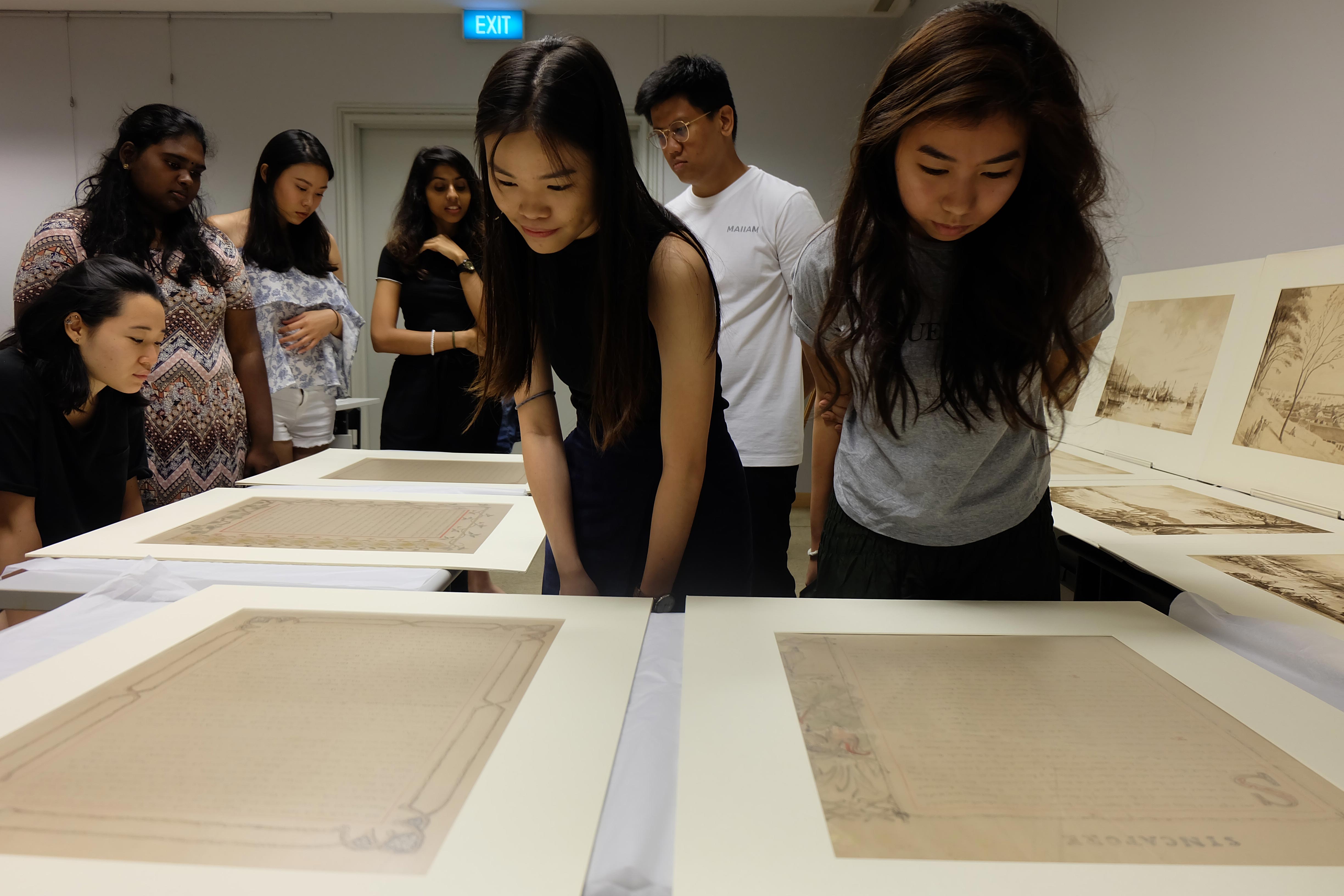
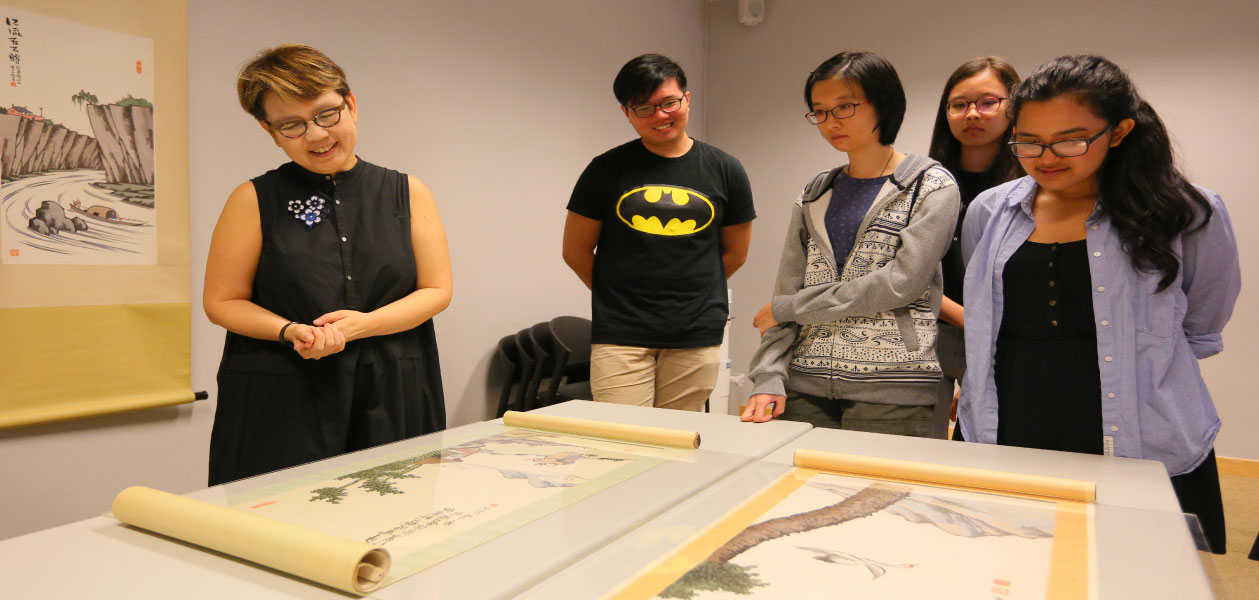
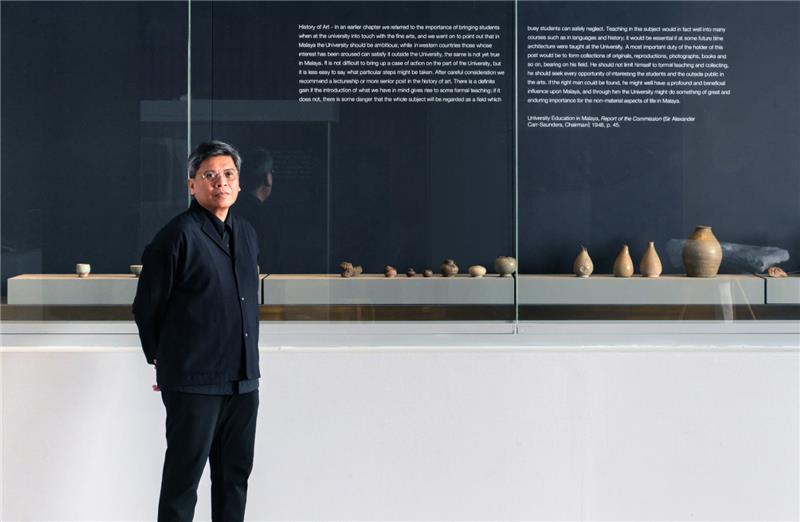
What is a “module collaboration”? At the NUS Museum and NUS Baba House, this is the provision to use the exhibitions as part of an academic curriculum. In a nutshell, the Museum and Baba House become an ‘external’ classroom to enable students to appreciate that what they are learning is not just mere words in a textbook. The exhibits help them contextualise and visualise theory, and appreciate that the subject matter is tangible and has an authentic influence in history and our development..
Many of our academic colleagues and students have had the opportunity to experience such a module collaboration and they testify to its benefits.
Professor John Miksic, Department of Southeast Asian Studies, Faculty of Arts and Social Sciences, NUS
“I have worked closely with NUS Museum since it was revived. The NUS Museum makes it possible for me to add a whole new dimension to my teaching. The NUS Museum is always an integral part of my summer school class SE2211 Southeast Asian Social History: Archaeology, Cultural Heritage and Tourism which involves students from around the world. The exhibition Between Here & Nanyang: Marco Hsu’s Brief History of Malayan Art, on the history of Singapore art over the last 50 years fits perfectly with my attempts to get students both from Singapore and abroad to think about the various currents which have influenced the evolution of a Singaporean identity from the late colonial period until today. No other institution in Singapore provides such an art historical perspective on Singapore and the region as NUS Museum. The staff at the museum are always extremely cooperative and helpful. The students always comment that this experience is one of the most useful of the summer school.”
Dr Hwang Yin, Adjunct Senior Lecturer, Department of Chinese Studies, Faculty of Arts and Social Science, NUS Sciences, NUS
“I teach CH2293: Introduction to Chinese Art. As a survey course, it covers a range of material, media and objects created over more than 5,000 years. It is vital that students should not just be studying off slides, but have the opportunity to access real objects and understand how they look and feel in complete three-dimensionality.
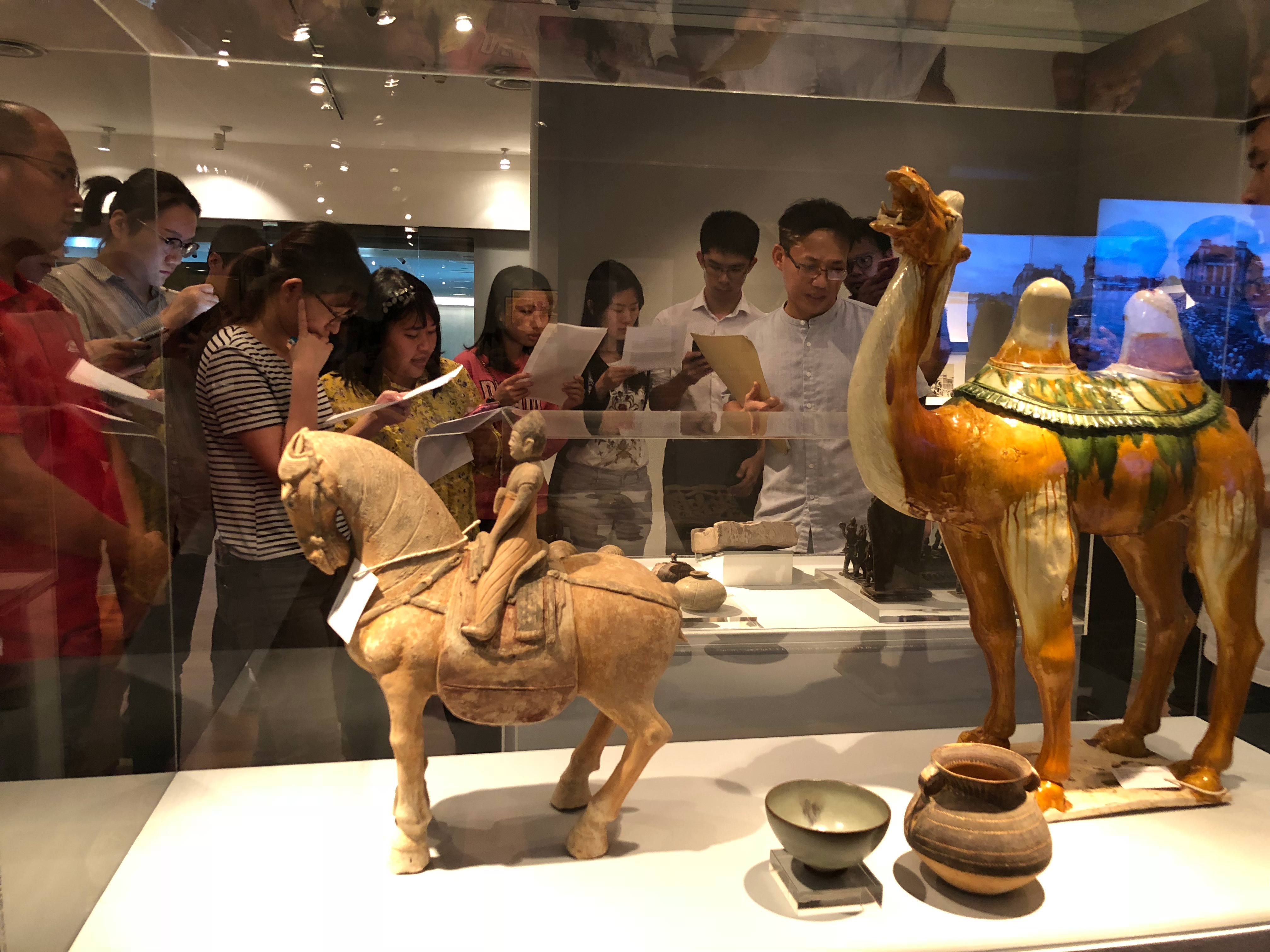
The galleries were laid out in a way that was perfect for teaching Chinese material culture and the layout of the paintings wall proved useful for instructing the basics on Chinese painting. Shards were also provided for the study of ceramics. Our tutorials in the Celadon Room allowed the class to move freely between the gallery and classroom. Using the museum as a whole enabled the students to understand Chinese art in particular, and how it related to their lives in Singapore as a whole.”
Ho Chi Tim, Instructor, Department of History, Faculty of Arts & Social Sciences, NUS
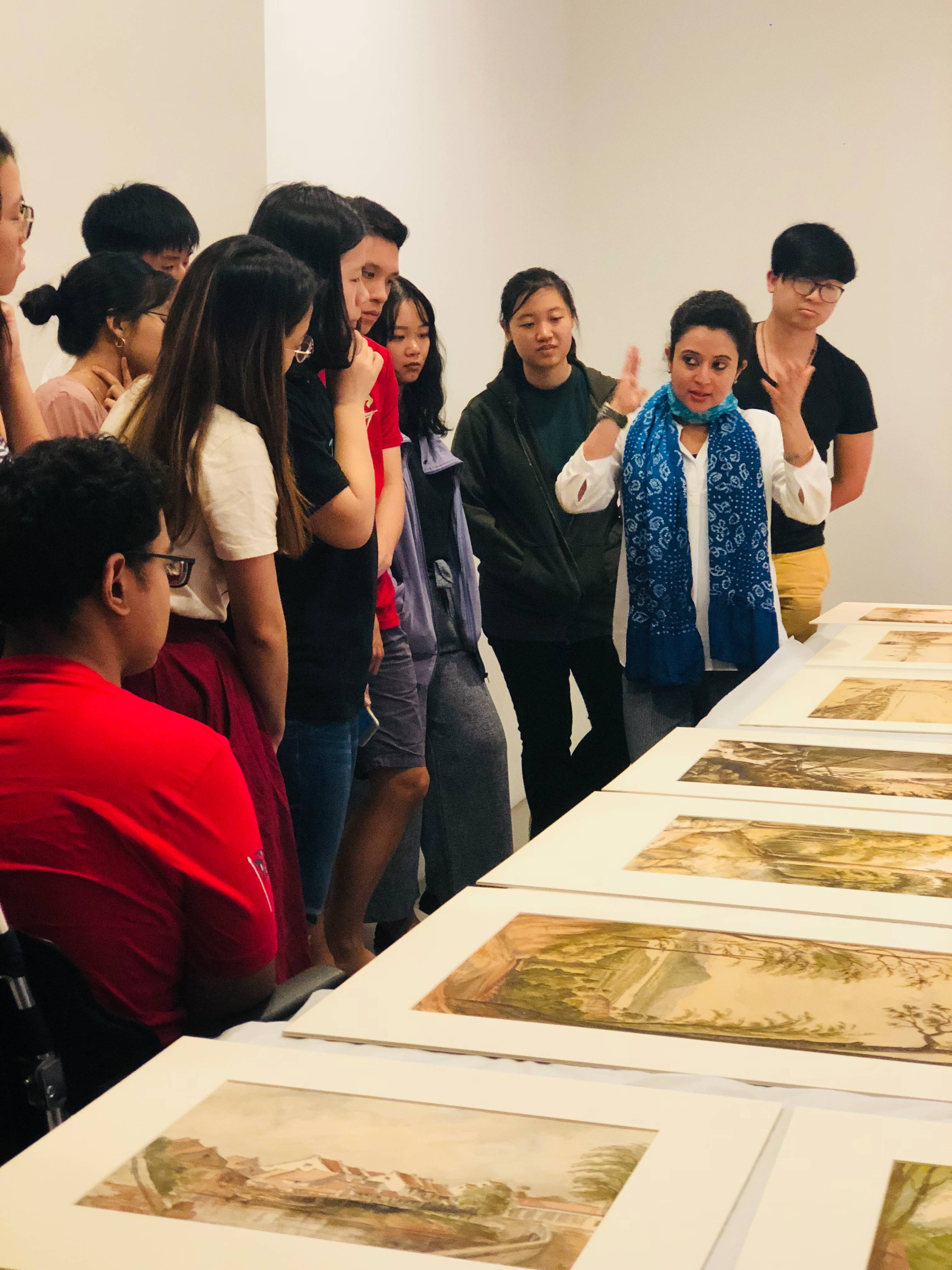
“I have had the pleasure of working with the NUS Museum for an honours class (about 35 students) HY4227: Sources of Singaporean History. As I was looking for ways to introduce students to non-document sources for writing history, the museum’s invitation came at the right time. The 2.5-hour session was tailored to my general request to illustrate the professional aspects of applying history, in this case in a museum setting. The curator’s talk was delightfully candid, and hence informative and insightful. She shared with the class the various considerations that go into curating an exhibition, and in the process, encouraged us to reflect on the connections between intellectual theory and practical realities (of putting together an exhibition). The NUS Museum session was one of the highlights of the honours class, for this instructor and many of his students.”
Lim Jia Yi, Year 4, History Major, Faculty of Arts and Social Sciences / University Scholars Programme, NUS
“The History module HY2259: The Craft of History’s assignment on the NUS Museum’s Vietnam War propaganda prints exhibition was unique in its focus on the displayed artwork as objects of history. The assignment forced us to examine how art, as well as art history, could function as a valuable tool in understanding and contextualising historical narratives. I am drawn to museums and the stories they tell us, either through the displayed objects or via the act of display itself. However, as students, the importance of such contexts and stories are often neglected in favour of sifting through piles of secondary sources (such as books or academic papers), with primary sources often in the form of oral interviews or personal accounts. The assignment pushed us beyond our comfort zone in forcing us to examine artwork as a historical source, and given the module’s focus on exploring different genres and ways of looking at history, was undoubtedly enriching in providing a different lens through which we could begin to understand different historical narratives.”
Assistant Professor Marcia Nancy Mauro-Flude, Department of Communications and New Media, Faculty of Arts and Social Sciences, NUS, 2017
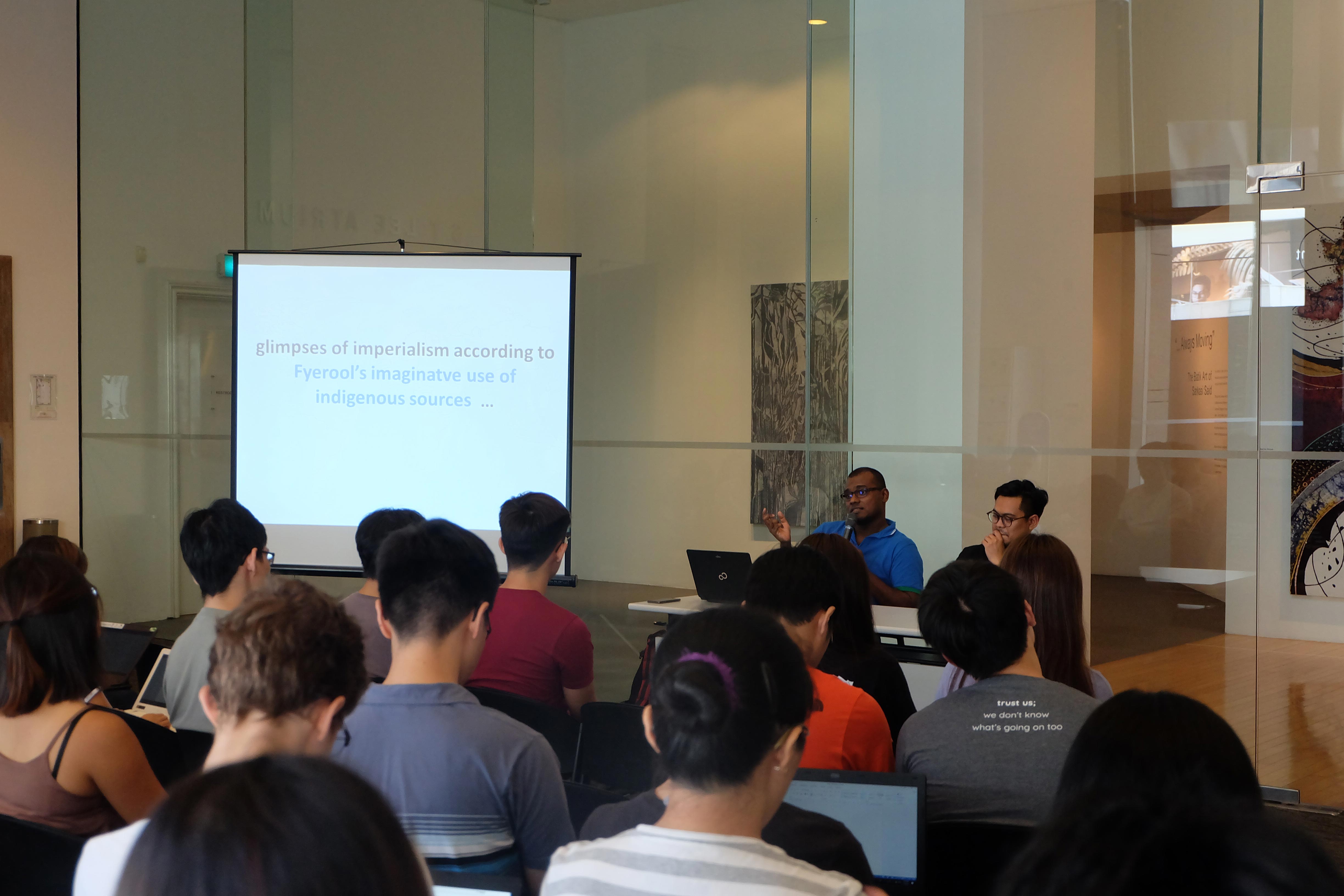
“It was not only a privilege but an entirely fulfilling exercise to be able to integrate the resources, exhibitions and activities of the NUS Museum into my 2017 teaching modules. Notwithstanding the diversity of mediums and abundant public programmes, most appealing was discovering the NUS Museum ‘prep-room’ (things that may or may not happen), where a speculative exhibition design and production process engages via curatorial and cultural enquiry, between latent, basic materials and rules of transformation that enable those often overlooked primary and secondary materials to become manifest text—whether aspiration, elegy, image, sign or in fact any text or object to be studied.
The structurally inspired ‘prep room’ was opportune, as a pedagogue and practiced based researcher I strive to demonstrate the academic value in these same dynamic processes. A particular highlight was leading the 4th year Interactive Media Design Capstone Project – Department of Communications and New Media (CNM) students whom at the end of their undergraduate phase are able to galvanise the nexus between art, design and technological innovation by devising an event which demonstrates the genuine social impact of these creative actions in the wider public sphere. With this objective in mind we took much pleasure in witnessing and mirroring this ‘prep room’ and developed a ‘process room’ for our reflections and preparations towards the 9th edition of Random Blends – Interceptions – included in a public programme at ArtScience Museum Singapore.
Initial engagement with NUS Museum gave a clear and compelling claim for the students to identify and build upon excellent precedents set, but also the potential of how to identify a project’s potential to build upon creative standards where it they chose to both extend and at times contradict existing methodologies. Research is commonly known as the application of existing knowledge so as to generate new concepts, methodologies and understandings, but it can be also defined as the creation of new knowledge which is particularly thrilling in this case because the ‘prep room’ was speculative, experimental and discursive in nature.
Interceptions – Random Blends 2017 captured the public’s perception with media design fiction, augmented reality, experimental games and performance art. Jointly presented by ArtScience Museum and the Department of Communications and New Media, National University of Singapore, March 24-26.”
Dr Kamalini Ramdas, Department of Geography, Faculty of Arts and Social Sciences, NUS, 2017
“Radio Malaya provided the students of Introduction to Social and Cultural Geography with a unique and personal arts encounter. The students were able to visualise and better understand the complex relationship between art and the nation. It was an added bonus that the works on display were from NUS’ very own collection. Students were thus able to learn about the university’s role in nation-building through its collection and curation of art.”
Dr Andrew Marc Conroe, University Scholars Programme, NUS, 2017
“A class trip to the NUS Museum exhibit “Who Wants To Remember A War?” greatly enhanced the “Monuments, Memorials, and Commemoration” module that I teach in the University Scholars Programme. The museum staff were extremely helpful in providing material and context related to the exhibit. The drawings and videos in the exhibit provided the students with concrete examples for the more theoretical issues that we had been discussing in class, and furthered their understanding of the choices, selections, and silencing that accompany any kind of historical representation. The students’ viewing of the exhibit flowed easily into an engaging post-viewing class discussion in which students shared their thoughts and impressions of the material. Throughout the experience, I was very impressed by how the museum and its staff serve as an excellent educational resource for faculty and students at NUS.”
Sara Lau Jin Ee, Year 4, Department of Southeast Asian Studies, Faculty of Arts & Social Sciences, NUS, 2017
“University is meant to be a stimulating and enriching experience, but it is more often easier than not to fall into a routine of monotony while studying. This is why Arts in Southeast Asia (SE2214) stands out, with the key feature being the collaborative aspect with NUS Museum. Besides having a field trip, the module incorporated the museum and its curatorship as an integral part of the module, challenging how we think about art, and what Southeast Asian art is. What I appreciated the most was how welcoming the museum staff were to us, taking time out of their own schedules to answer our questions and assist us with any queries we had about our assignment, which was to curate an exhibition for the museum. Rather than learning only from academic journals and lecture content, we were able to open a discourse with the museum about the nature of Southeast Asian art, and the contentions that come with its curatorial conceptualisation and representation. I greatly enjoyed myself in this module and I am thankful that the museum was so welcoming and generous in working with us students.”
Module collaborations are open to all university modules from Mondays to Saturdays, 10 am to 6 pm. The NUS Museum Team will work together with you to customise and create a module collaboration that meets your curriculum needs. Alternative arrangements to accommodate an earlier or later time can also be made. To inquire about how to develop a module collaboration for your classroom, please do contact the NUS Museum team.
18 November 2025
16 May 2025
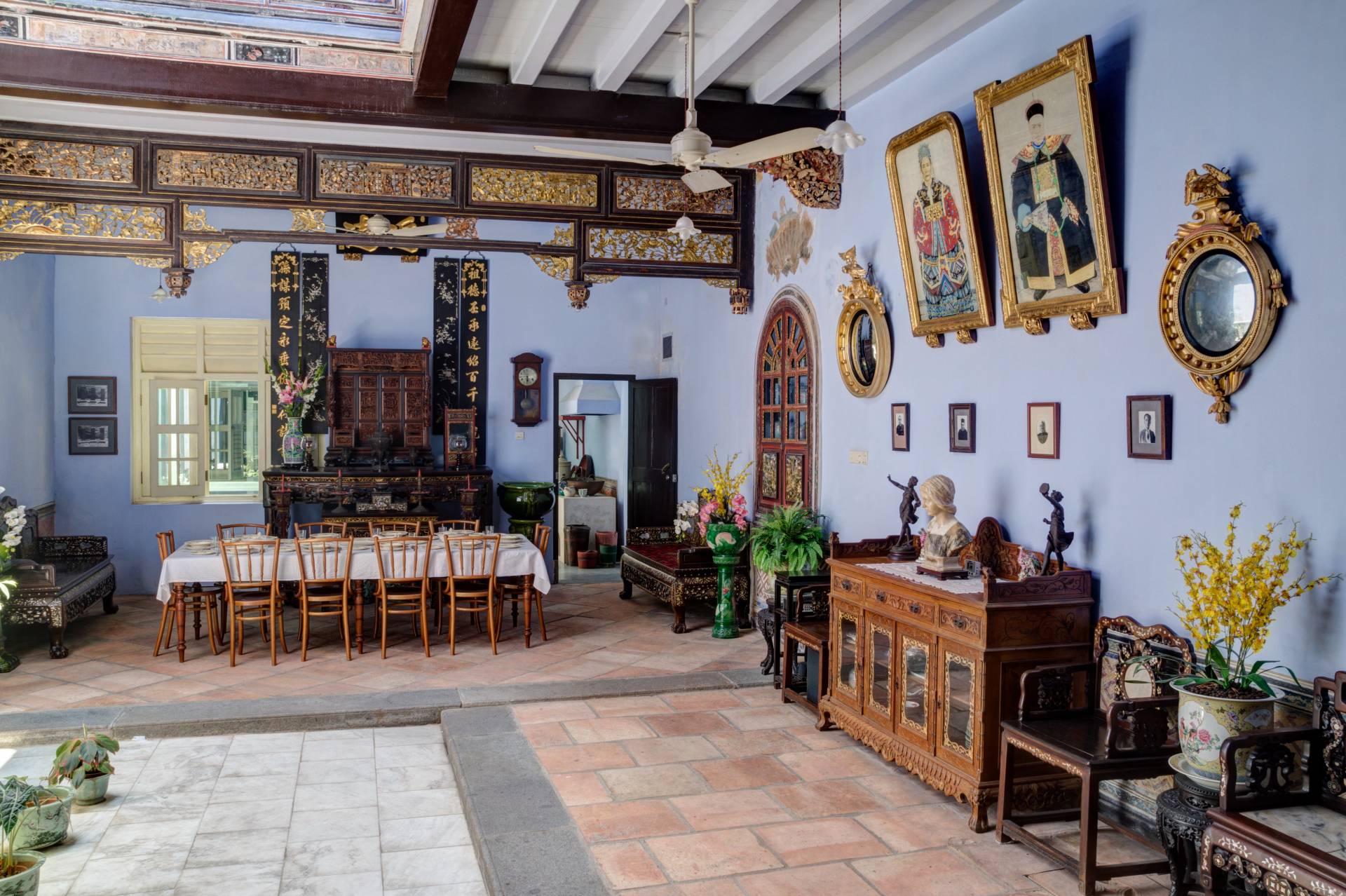
NUS Baba House to undergo two years of conservation works
Enthusiasts can look forward to a slate of programmes ahead of and during the temporary closure.
6 October 2023
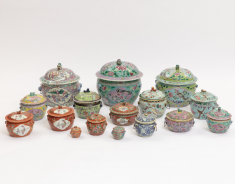
NUS Museum receives largest-ever donation of Straits Chinese artefacts
"Collected by Mrs Alice Tan over a 30-year period, the donated artefacts will contribute to a deeper study of the impact of Straits Chinese culture in Singapore and the region, and provide broadened avenues for interdisciplinary collaborations."
15 August 2023
From personal photo collection to exhibition: NUS Museum's latest showcase features visual narratives by 9 members of the NUS community
Titled Photography Journal Open Call (PJOC), the exhibition presents an eclectic collection of photographic works by nine NUS students, alumni artists and academic staff.
12 April 2021
Nurturing a creative campus through public art advocacy
The Public Art Initiative was launched to underscore NUS’ commitment to deepening the role of public art in holistic, interdisciplinary and broad-based education.

8 October 2019
October at the NUS Museum: between war and the artist, art and the tropics
This October, NUS Museum unveils two new exhibitions surveying the art historical in the region from distinct positions.

31 May 2019
New exhibition from Gilles Massot to be unveiled at NUS Museum
“…you have to lose your way to find yourself in the right place” presents the works of Singapore-based French artist, Gilles Massot. Featuring a selection of photographs, videos, sketches and writings from his extensive corpus of works.

14 February 2019
Glossaries of the Straits Chinese Homemaking
Following eleven years of giving glimpses of a Peranakan family’s domestic life in the early 20th century, NUS Baba House presents the exhibition Glossaries of the Straits Chinese Homemaking.
22 March 2018
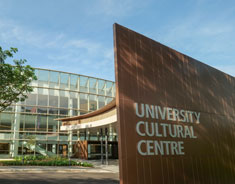
NUS' cultural icon refreshed for a new generation
The University Cultural Centre's first major renovation improves the high standard of guest comfort, efficiency and production possibilities.
3 February 2017
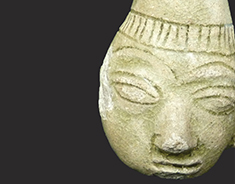
Exhibition: From the Ashes: Reviving Myanmar Celadon Ceramics
NUS Museum presents ongoing attempts to revive the technology of making ash-glazed ceramics in Myanmar.

23 November 2016
Exhibition: Between the brush lines of Lim Tze Peng
Solo exhibition at NUS Museum considers 70-year oeuvre of Singapore's oldest living artist.

1 November 2016
Book Launch: NUS Baba House launches inaugural guidebook
From architecture to social history, book reveals the myriad facets of Singapore's only restored Straits Chinese family home.
21 October 2016
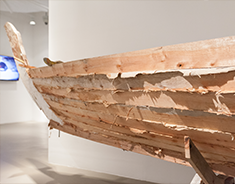
Exhibition: Looking within - What makes an exhibition?
NUS Museum presents exhibition introspecting into curatorial impulses and the exhibitionary medium.
1 July 2016
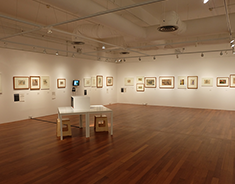
Exhibition: "Who wants to remember a war?"
NUS Museum draws on war posters, woodcuts and drawings to explore contemporary narratives of the Vietnam War.

10 May 2016
Award: NUS Museum wins inaugural award for innovative museological practice
International Committee of University Museums and Collections recognises efforts to facilitate conversation between audiences and exhibitions.
14 April 2016
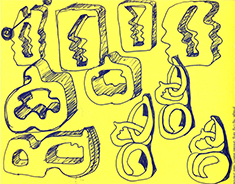
Exhibition: Figuring Ng Eng Teng
NUS Museum reveals unstudied elements and works from the late Cultural Medallion recipient’s practice.
Student Voices
What takes place at our Module Collaborations at the Museum?
What is a “module collaboration”? At the NUS Museum and NUS Baba House, this is the provision to use the exhibitions as part of an academic curriculum. In a nutshell, the Museum and Baba House become an ‘external’ classroom to enable students to appreciate that what they are learning is not just mere words in a textbook. The exhibits help them contextualise and visualise theory, and appreciate that the subject matter is tangible and has an authentic influence in history and our development..
Many of our academic colleagues and students have had the opportunity to experience such a module collaboration and they testify to its benefits.
Professor John Miksic, Department of Southeast Asian Studies, Faculty of Arts and Social Sciences, NUS
“I have worked closely with NUS Museum since it was revived. The NUS Museum makes it possible for me to add a whole new dimension to my teaching. The NUS Museum is always an integral part of my summer school class SE2211 Southeast Asian Social History: Archaeology, Cultural Heritage and Tourism which involves students from around the world. The exhibition Between Here & Nanyang: Marco Hsu’s Brief History of Malayan Art, on the history of Singapore art over the last 50 years fits perfectly with my attempts to get students both from Singapore and abroad to think about the various currents which have influenced the evolution of a Singaporean identity from the late colonial period until today. No other institution in Singapore provides such an art historical perspective on Singapore and the region as NUS Museum. The staff at the museum are always extremely cooperative and helpful. The students always comment that this experience is one of the most useful of the summer school.”
Dr Hwang Yin, Adjunct Senior Lecturer, Department of Chinese Studies, Faculty of Arts and Social Science, NUS Sciences, NUS
“I teach CH2293: Introduction to Chinese Art. As a survey course, it covers a range of material, media and objects created over more than 5,000 years. It is vital that students should not just be studying off slides, but have the opportunity to access real objects and understand how they look and feel in complete three-dimensionality.
The galleries were laid out in a way that was perfect for teaching Chinese material culture and the layout of the paintings wall proved useful for instructing the basics on Chinese painting. Shards were also provided for the study of ceramics. Our tutorials in the Celadon Room allowed the class to move freely between the gallery and classroom. Using the museum as a whole enabled the students to understand Chinese art in particular, and how it related to their lives in Singapore as a whole.”
Ho Chi Tim, Instructor, Department of History, Faculty of Arts & Social Sciences, NUS
“I have had the pleasure of working with the NUS Museum for an honours class (about 35 students) HY4227: Sources of Singaporean History. As I was looking for ways to introduce students to non-document sources for writing history, the museum’s invitation came at the right time. The 2.5-hour session was tailored to my general request to illustrate the professional aspects of applying history, in this case in a museum setting. The curator’s talk was delightfully candid, and hence informative and insightful. She shared with the class the various considerations that go into curating an exhibition, and in the process, encouraged us to reflect on the connections between intellectual theory and practical realities (of putting together an exhibition). The NUS Museum session was one of the highlights of the honours class, for this instructor and many of his students.”
Lim Jia Yi, Year 4, History Major, Faculty of Arts and Social Sciences / University Scholars Programme, NUS
“The History module HY2259: The Craft of History’s assignment on the NUS Museum’s Vietnam War propaganda prints exhibition was unique in its focus on the displayed artwork as objects of history. The assignment forced us to examine how art, as well as art history, could function as a valuable tool in understanding and contextualising historical narratives. I am drawn to museums and the stories they tell us, either through the displayed objects or via the act of display itself. However, as students, the importance of such contexts and stories are often neglected in favour of sifting through piles of secondary sources (such as books or academic papers), with primary sources often in the form of oral interviews or personal accounts. The assignment pushed us beyond our comfort zone in forcing us to examine artwork as a historical source, and given the module’s focus on exploring different genres and ways of looking at history, was undoubtedly enriching in providing a different lens through which we could begin to understand different historical narratives.”
Assistant Professor Marcia Nancy Mauro-Flude, Department of Communications and New Media, Faculty of Arts and Social Sciences, NUS, 2017
“It was not only a privilege but an entirely fulfilling exercise to be able to integrate the resources, exhibitions and activities of the NUS Museum into my 2017 teaching modules. Notwithstanding the diversity of mediums and abundant public programmes, most appealing was discovering the NUS Museum ‘prep-room’ (things that may or may not happen), where a speculative exhibition design and production process engages via curatorial and cultural enquiry, between latent, basic materials and rules of transformation that enable those often overlooked primary and secondary materials to become manifest text—whether aspiration, elegy, image, sign or in fact any text or object to be studied.
The structurally inspired ‘prep room’ was opportune, as a pedagogue and practiced based researcher I strive to demonstrate the academic value in these same dynamic processes. A particular highlight was leading the 4th year Interactive Media Design Capstone Project – Department of Communications and New Media (CNM) students whom at the end of their undergraduate phase are able to galvanise the nexus between art, design and technological innovation by devising an event which demonstrates the genuine social impact of these creative actions in the wider public sphere. With this objective in mind we took much pleasure in witnessing and mirroring this ‘prep room’ and developed a ‘process room’ for our reflections and preparations towards the 9th edition of Random Blends – Interceptions – included in a public programme at ArtScience Museum Singapore.
Initial engagement with NUS Museum gave a clear and compelling claim for the students to identify and build upon excellent precedents set, but also the potential of how to identify a project’s potential to build upon creative standards where it they chose to both extend and at times contradict existing methodologies. Research is commonly known as the application of existing knowledge so as to generate new concepts, methodologies and understandings, but it can be also defined as the creation of new knowledge which is particularly thrilling in this case because the ‘prep room’ was speculative, experimental and discursive in nature.
Interceptions – Random Blends 2017 captured the public’s perception with media design fiction, augmented reality, experimental games and performance art. Jointly presented by ArtScience Museum and the Department of Communications and New Media, National University of Singapore, March 24-26.”
Dr Kamalini Ramdas, Department of Geography, Faculty of Arts and Social Sciences, NUS, 2017
“Radio Malaya provided the students of Introduction to Social and Cultural Geography with a unique and personal arts encounter. The students were able to visualise and better understand the complex relationship between art and the nation. It was an added bonus that the works on display were from NUS’ very own collection. Students were thus able to learn about the university’s role in nation-building through its collection and curation of art.”
Dr Andrew Marc Conroe, University Scholars Programme, NUS, 2017
“A class trip to the NUS Museum exhibit “Who Wants To Remember A War?” greatly enhanced the “Monuments, Memorials, and Commemoration” module that I teach in the University Scholars Programme. The museum staff were extremely helpful in providing material and context related to the exhibit. The drawings and videos in the exhibit provided the students with concrete examples for the more theoretical issues that we had been discussing in class, and furthered their understanding of the choices, selections, and silencing that accompany any kind of historical representation. The students’ viewing of the exhibit flowed easily into an engaging post-viewing class discussion in which students shared their thoughts and impressions of the material. Throughout the experience, I was very impressed by how the museum and its staff serve as an excellent educational resource for faculty and students at NUS.”
Sara Lau Jin Ee, Year 4, Department of Southeast Asian Studies, Faculty of Arts & Social Sciences, NUS, 2017
“University is meant to be a stimulating and enriching experience, but it is more often easier than not to fall into a routine of monotony while studying. This is why Arts in Southeast Asia (SE2214) stands out, with the key feature being the collaborative aspect with NUS Museum. Besides having a field trip, the module incorporated the museum and its curatorship as an integral part of the module, challenging how we think about art, and what Southeast Asian art is. What I appreciated the most was how welcoming the museum staff were to us, taking time out of their own schedules to answer our questions and assist us with any queries we had about our assignment, which was to curate an exhibition for the museum. Rather than learning only from academic journals and lecture content, we were able to open a discourse with the museum about the nature of Southeast Asian art, and the contentions that come with its curatorial conceptualisation and representation. I greatly enjoyed myself in this module and I am thankful that the museum was so welcoming and generous in working with us students.”
Module collaborations are open to all university modules from Mondays to Saturdays, 10 am to 6 pm. The NUS Museum Team will work together with you to customise and create a module collaboration that meets your curriculum needs. Alternative arrangements to accommodate an earlier or later time can also be made. To inquire about how to develop a module collaboration for your classroom, please do contact the NUS Museum team.


News
18 November 2025
16 May 2025
NUS Baba House to undergo two years of conservation works
Enthusiasts can look forward to a slate of programmes ahead of and during the temporary closure.
6 October 2023
NUS Museum receives largest-ever donation of Straits Chinese artefacts
"Collected by Mrs Alice Tan over a 30-year period, the donated artefacts will contribute to a deeper study of the impact of Straits Chinese culture in Singapore and the region, and provide broadened avenues for interdisciplinary collaborations."
15 August 2023
From personal photo collection to exhibition: NUS Museum's latest showcase features visual narratives by 9 members of the NUS community
Titled Photography Journal Open Call (PJOC), the exhibition presents an eclectic collection of photographic works by nine NUS students, alumni artists and academic staff.
12 April 2021
Nurturing a creative campus through public art advocacy
The Public Art Initiative was launched to underscore NUS’ commitment to deepening the role of public art in holistic, interdisciplinary and broad-based education.
8 October 2019
October at the NUS Museum: between war and the artist, art and the tropics
This October, NUS Museum unveils two new exhibitions surveying the art historical in the region from distinct positions.
31 May 2019
New exhibition from Gilles Massot to be unveiled at NUS Museum
“…you have to lose your way to find yourself in the right place” presents the works of Singapore-based French artist, Gilles Massot. Featuring a selection of photographs, videos, sketches and writings from his extensive corpus of works.
14 February 2019
Glossaries of the Straits Chinese Homemaking
Following eleven years of giving glimpses of a Peranakan family’s domestic life in the early 20th century, NUS Baba House presents the exhibition Glossaries of the Straits Chinese Homemaking.
22 March 2018
NUS' cultural icon refreshed for a new generation
The University Cultural Centre's first major renovation improves the high standard of guest comfort, efficiency and production possibilities.
3 February 2017
Exhibition: From the Ashes: Reviving Myanmar Celadon Ceramics
NUS Museum presents ongoing attempts to revive the technology of making ash-glazed ceramics in Myanmar.
23 November 2016
Exhibition: Between the brush lines of Lim Tze Peng
Solo exhibition at NUS Museum considers 70-year oeuvre of Singapore's oldest living artist.
1 November 2016
Book Launch: NUS Baba House launches inaugural guidebook
From architecture to social history, book reveals the myriad facets of Singapore's only restored Straits Chinese family home.
21 October 2016
Exhibition: Looking within - What makes an exhibition?
NUS Museum presents exhibition introspecting into curatorial impulses and the exhibitionary medium.
1 July 2016
Exhibition: "Who wants to remember a war?"
NUS Museum draws on war posters, woodcuts and drawings to explore contemporary narratives of the Vietnam War.
10 May 2016
Award: NUS Museum wins inaugural award for innovative museological practice
International Committee of University Museums and Collections recognises efforts to facilitate conversation between audiences and exhibitions.
14 April 2016
Exhibition: Figuring Ng Eng Teng
NUS Museum reveals unstudied elements and works from the late Cultural Medallion recipient’s practice.
Leave a comment