11 June 2025
Lessons From Abroad
At a recent panel, NUS alumni shared candid lessons on adapting to new cultures, managing setbacks, and thriving in international tech roles.
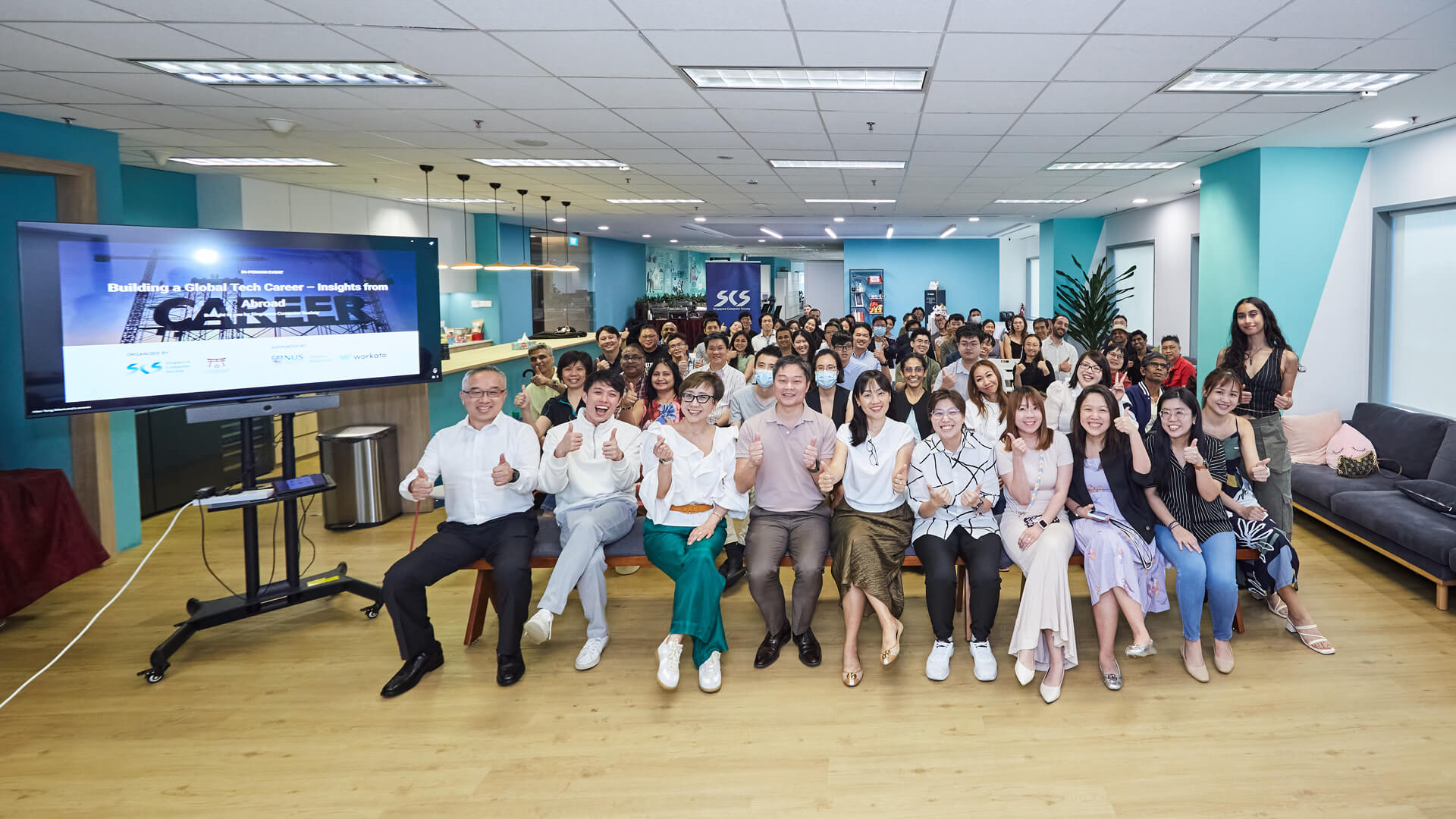
What does it take to build a successful global career in technology? For three NUS alumni who have lived and worked across Asia, the journey has been as much about self-awareness and cultural sensitivity as it has been about technical competence.
At the “Building a Global Tech Career – Insights from Abroad” event held on 30 May at Workato’s Singapore office, panellists Mr Eu Kwang Chin (Computing '98), Chief Digitalisation Officer, JAPFA Group; Ms Siew Yim Cheng (Engineering), Senior Vice President of Digital, Yara; and Mr Allan Teng (Business '17), Founder and Senior Advisor, Asia Pacific & Japan, Workato, offered practical advice drawn from their own international assignments.
Moderated by LinkedIn’s Ms Tan Yan Ning (Arts & Social Sciences '15), Chairperson of the NUS Japanese Studies Alumni Network, and organised by the Singapore Computer Society, the session was supported by the NUS Japanese Studies Alumni Network, Workato and the NUS Office of Alumni Relations. The discussion focused on how the panellists built credibility, earned trust and overcame challenges while working abroad.
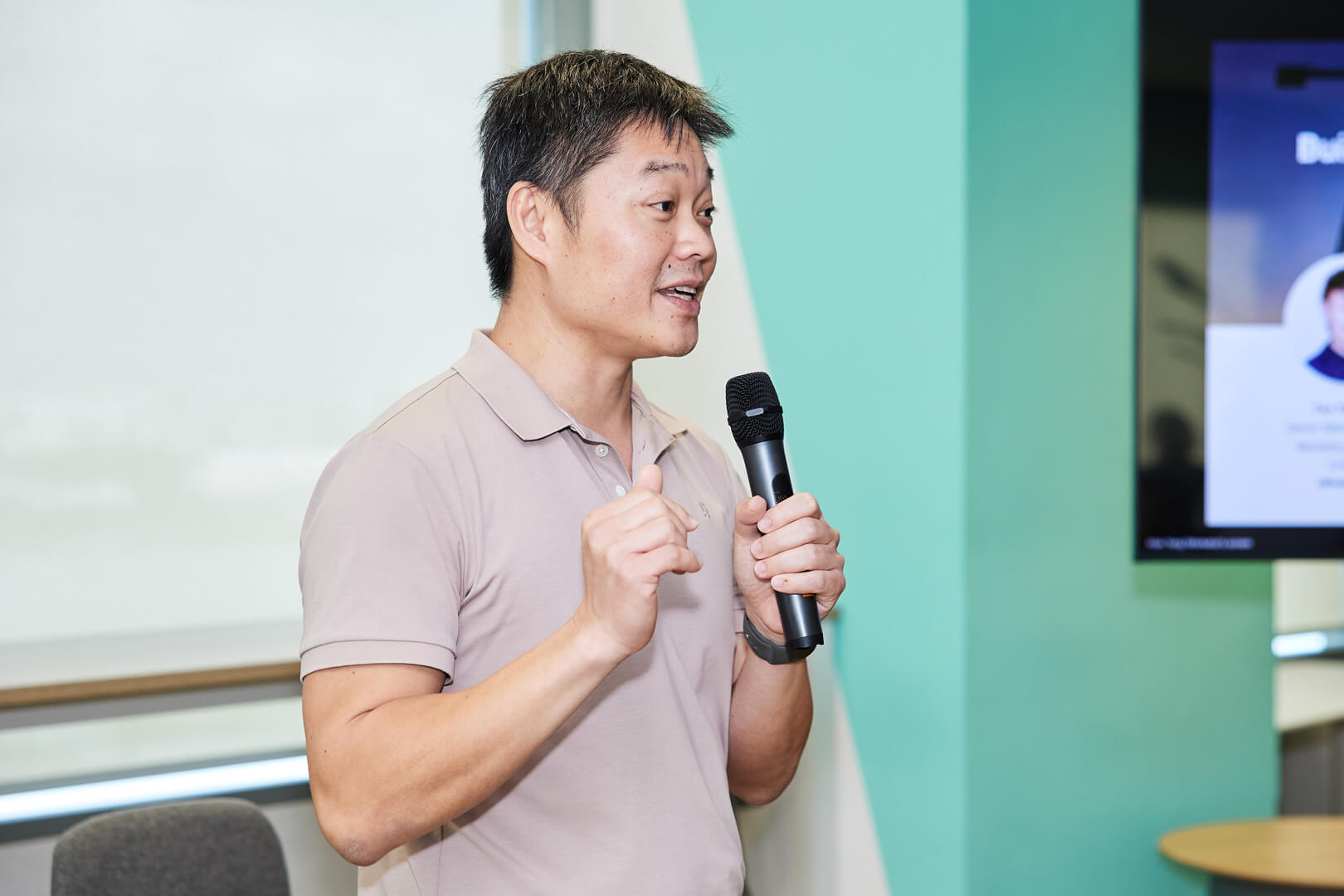 Mr Eu Kwang Chin
BUILDING TRUST TAKES TIME
For Mr Eu, trust was key to every successful overseas engagement. His early projects in Thailand, Vietnam and China taught him that results would not come from imposing tight timelines or Singapore-style efficiency. Instead, he learned to slow down and build relationships first, often through meals and informal interactions. “In Vietnam, my project got delayed from 18 months to two and a half years. But I felt it was the right thing to do,” he shared. “They needed time to understand the changes, and I had to respect that. Otherwise, you risk pushing something people aren’t ready for.”
Each market also demanded a different approach. While Indonesia required consensus-building at the grassroots, China called for strong alignment with top-down leadership. “Every culture has its own logic. You can’t use a single template,” he said.
 Ms Siew Yim Cheng
LISTEN FIRST, THEN LEAD
That ability to listen deeply and adapt was a recurring theme. For Ms Siew, who now works with colleagues from Brazil, Norway, South Africa and beyond, active listening is essential. “Even in tech, over-communicating is necessary,” she emphasised. “You can’t assume people understand your goals the first time. I do one-on-ones with each country manager every month.” Ms Siew added that embracing cultural practices helped build rapport. Her experience working in Japan for instance, taught her the value of non-verbal communication and respectful gestures, such as bowing. “It becomes instinctive after a while, and it goes a long way in showing respect,” she said.
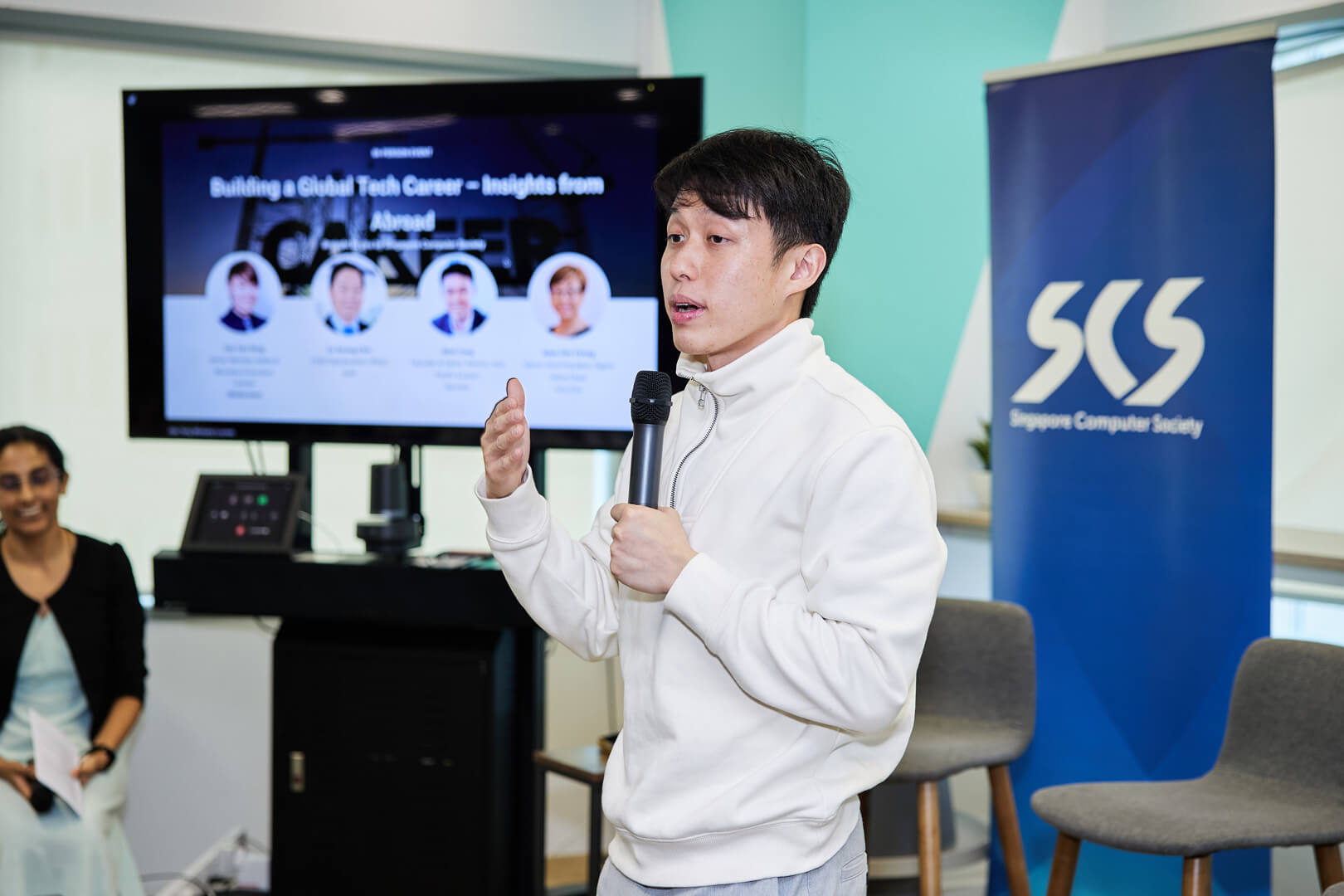 Mr Allan Teng
FRUSTRATION IS PART OF THE LEARNING CURVE
Mr Teng, who has worked in Silicon Valley, Sydney and now Tokyo, admitted to initial missteps. “When I first went to Japan, I tried to drive change quickly. But nothing moved,” he revealed. “Then someone recommended ‘The Culture Map’ by Erin Meyer. It changed how I saw things.”
Mr Teng learned that Japanese corporate culture is deeply consensus-based, even when it appears hierarchical. “Instead of saying ‘This is what we should do,’ I started saying, ‘I’m thinking of this, what do you think?’ That one shift changed everything,” he said.
SOFT SKILLS MATTER MORE THAN YOU THINK
While technical skills may get your foot in the door, soft skills are what sustain a global career. All three speakers emphasised resilience, curiosity and adaptability as key traits. “Don’t just focus on your domain,” Ms Siew urged. “Learn how the whole business works. Put your hand up for cross-functional projects. It builds resilience and people start thinking of you for opportunities.”
Mr Eu echoed the need for awareness, especially as one progresses in their career. “Listening is not just for junior staff,” he said. “The more senior you are, the more you need to listen to catch what others might miss.” Mr Teng summed it up with a smile: “People call it active curiosity. I just call it being kaypoh. I would go to departments and say, ‘Got problem? I help you solve.’ That’s how people remember you.”
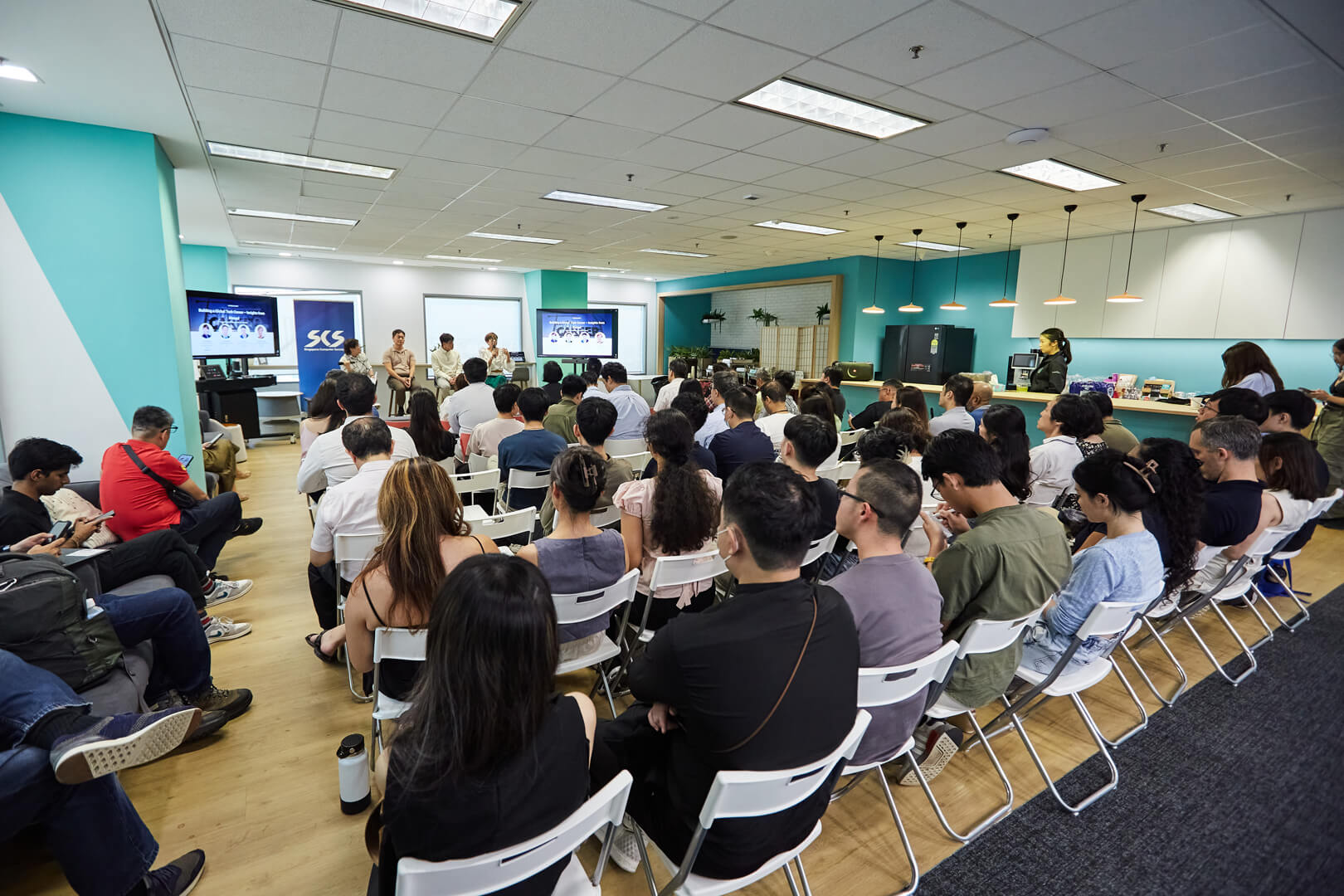 The audience listened closely as panellists provided tips on working abroad.
SETBACKS ARE STEPPING STONES
All three panellists spoke candidly about their toughest moments abroad. Whether it was stalled projects, restructuring or working in an unfamiliar language, the common thread was learning through action. “In the retail group I worked with, ideas were constantly shelved because of leadership changes. You learn to manage through uncertainty, and that’s valuable experience for the next role,” said Mr Eu.
Ms Siew shared that asking for help is not a weakness. “Don’t be afraid to reach out, even to strangers,” she said. “People are more willing to help than you think.” Mr Teng advised framing problems constructively when seeking guidance: “Instead of saying ‘What should I do?’ say ‘Here’s what I’m thinking. Am I on the right track?’ It shows initiative and helps you get better advice.”
The event wrapped with a call to action: be curious, stay open, and build your network. “Sometimes, the overseas assignment comes at the wrong time,” said Mr Eu, who took on roles abroad just after getting married and later, when his children were young. “But you grow through it. And once the team is ready, I always try to make my way back to Singapore.”
Text by Francis Kan. Photos by Roy Yap.
![]()