



This site uses cookies
By clicking accept or continuing to use this site, you agree to our use of cookies. For more details about cookies and how to manage them, please see our Privacy Notice.


 Recommend Articles, Books & Other Materials for Purchase
Can’t find a resource you need in our libraries? Send us your request and we’ll source for it
 Intralibrary Loan
Request for a book to be sent to another library within NUS Libraries for collection
 Guides & Tools
Discover our many resources for research, learning and teaching - from how-to guides, to databases and other powerful tools!
 Research Starter-kit
Learn about research tools such as Proxy Bookmarklet, BrowZine, Citation Managers and FindIt! with Google Scholar
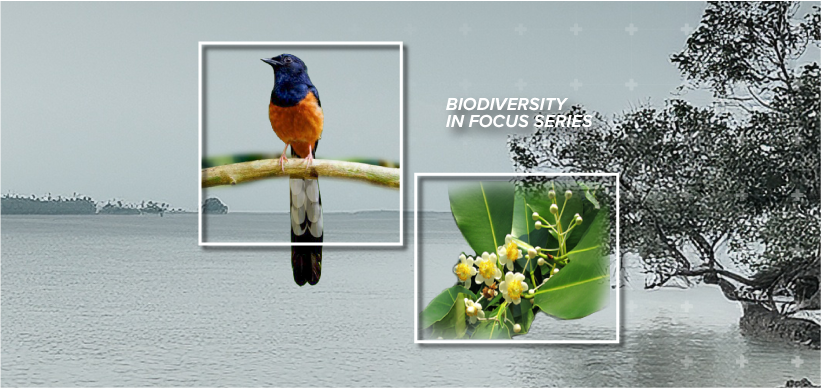
The Coral Triangle is the global epicentre of marine biodiversity, home to the highest diversity of coral reefs on Earth and millions of people who depend on them. This talk explores why this region is so biologically extraordinary, beginning with the Wallace Line, a historic biogeographical boundary that revealed how evolution, geography, and the sea shape life.
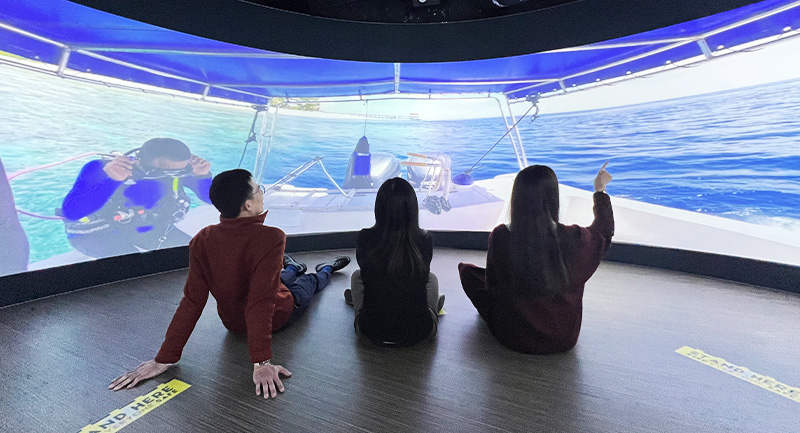
Drawing on field research from Indonesia, Malaysia, and Singapore, the talk examines how coral reefs, mangroves, and seagrass meadows function as an interconnected “roots to reefs” system, and how this connectivity underpins biodiversity and resilience. It highlights emerging approaches to coral reef restoration that combine drone and satellite mapping, AI-assisted analysis, and immersive 360° storytelling to evaluate ecological recovery at scales relevant to communities and Marine Protected Areas.
The talk highlights an evolution in conservation science, where advanced mapping and monitoring are paired with community-led restoration and immersive education. By retracing the Wallace Line through modern conservation expeditions, the presentation reimagines exploration as stewardship, where data, maps, and stories are returned to local communities to support learning, monitoring, and long-term care of coral reef ecosystems.
/gretchen-c-coffman.png?sfvrsn=7384a8e4_1 "Gretchen C. Coffman")
Gretchen C. Coffman

All NUS staff, students, alumni and members of the public are welcome.
Booking availability on a first-come, first-served basis.
