
-
Borrowing & Requests
Borrowing & Requests
 Recommend Articles, Books & Other Materials for Purchase
Can’t find a resource you need in our libraries? Send us your request and we’ll source for it
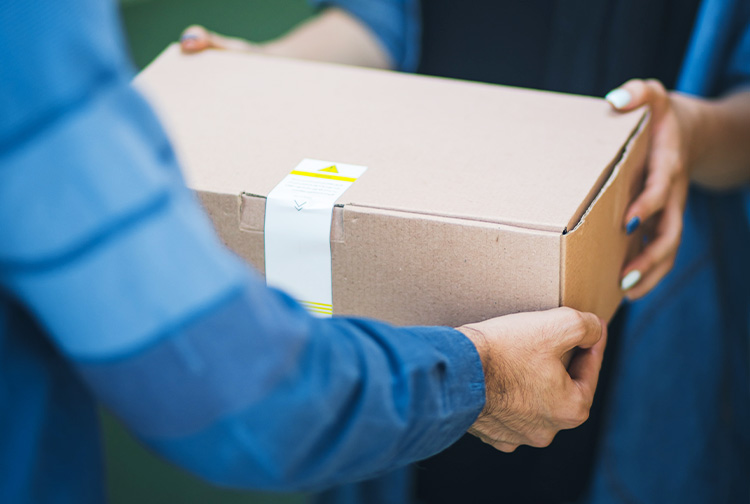 Intralibrary Loan
Request for a book to be sent to another library within NUS Libraries for collection
-
Services & Help
Services & Help
 Guides & Tools
Discover our many resources for research, learning and teaching - from how-to guides, to databases and other powerful tools!
 Research Starter-kit
Learn about research tools such as Proxy Bookmarklet, BrowZine, Citation Managers and FindIt! with Google Scholar
-
Spaces
Spaces
-
Collections
Collections
- What's on


Digital Gems
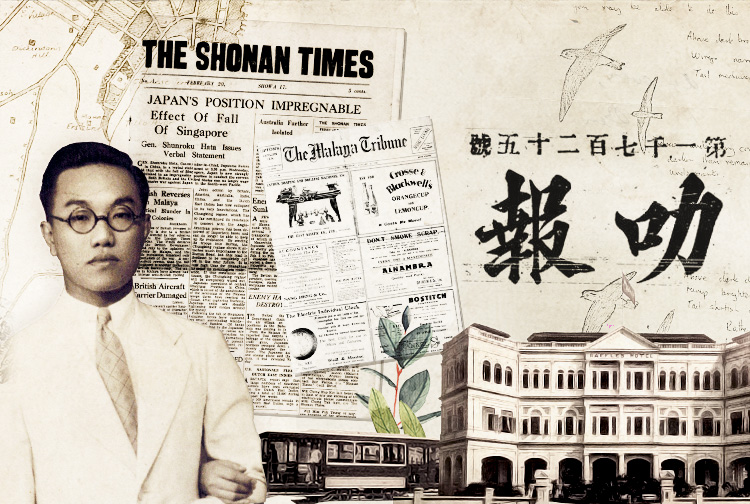
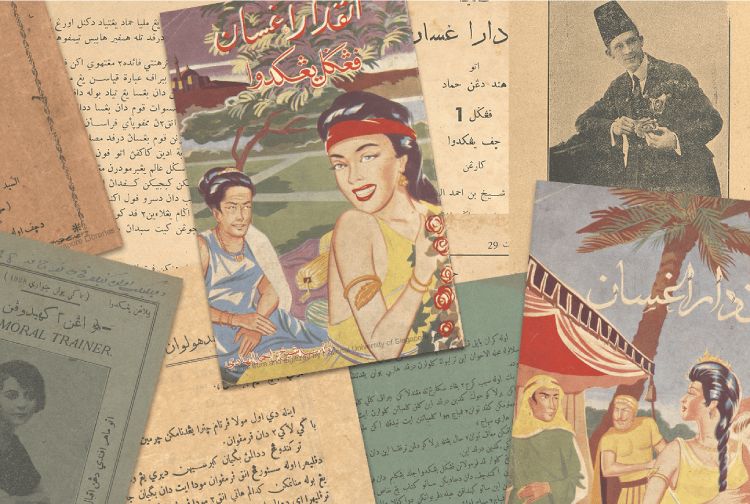
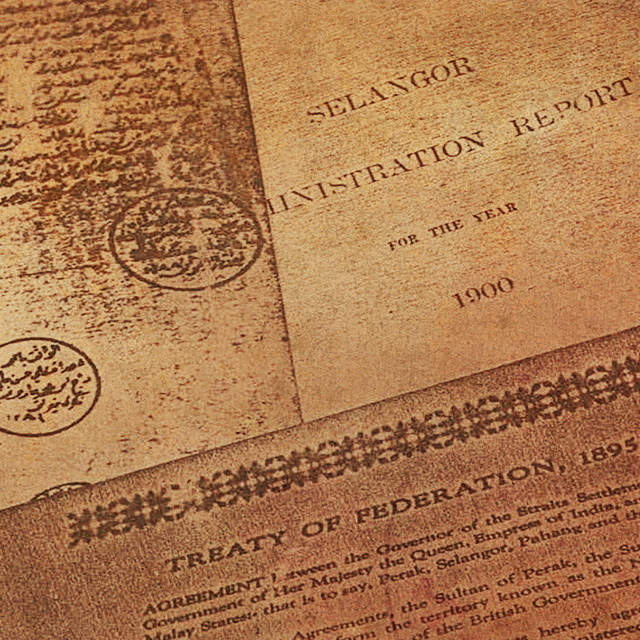
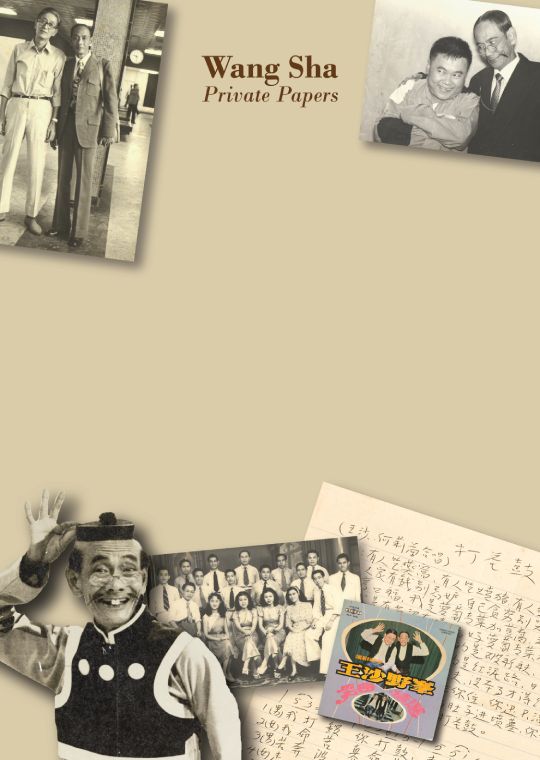
As part of Digital Scholarly Communications (DSC) Week, NUS Libraries would like to highlight Digital Gems, a digital collection of selected rare and unique materials on Southeast Asia covering the humanities, social sciences, natural sciences and medicine.
Containing rare books, manuscripts, private collections, journals, newspapers, drawings, pamphlets, photographs, maps, and audio-visual materials from the 17th century to the present, it reflects the diverse and inclusive nature of the collection.
More than 500 titles are made freely available online and many more will be added to the collection over time. Noteworthy content include Edwin Thumboo Private Papers, Chinese Newspapers of Southeast Asia, Chinese in Southeast Asia collection, and books on Singapore’s history, culture, and heritage.
In digitising our rare and unique collections, we endeavour to meet demand for data sources on Southeast Asia, open up new avenues for teaching and research in the humanities, and facilitate the growth in digital humanities research projects.
Dig into these gems to discover the significant and valuable open resources you can access readily anytime, anywhere.

Discover Digital Gems in this video

Learn to use Digital Gems in this video
Check out our next DSC Week post.


Institutionally Paid OA for NUS Authors
NUS Libraries, School of Computing, and the Office of the Deputy President (Research & Technology) have worked together to enter into a 5-year open access agreement with the Association for Computing Machinery (ACM). For all submissions to ACM made between Jan 1, 2021 and Dec 31, 2025, NUS corresponding authors can publish OA at no cost to the author.

Library-Supported Free-to-Publish Model
NUS Libraries is now a supporting institution of the Open Library of Humanities (OLH) from Sep 2020 to Sep 2021. The OLH is an academic publishing platform that supports 22 fully OA academic journals from across the humanities disciplines. Unlike many OA publishers, the OLH does not charge any author fees. Instead, an international library consortium covers its operational costs.
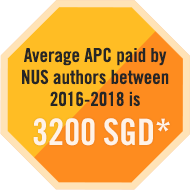
*Based on NUS Libraries’ internal analysis of compiled Web of Science data.


