



This site uses cookies
By clicking accept or continuing to use this site, you agree to our use of cookies. For more details about cookies and how to manage them, please see our Privacy Notice.
Retrieving books from our closed stacks will take longer due to ongoing renovation & improvement works. Do cater an additional day or two for your requests to be fulfilled. We apologise for the inconvenience & appreciate your understanding. For assistance or queries, contact loans@nus.edu.sg.

 Recommend Articles, Books & Other Materials for Purchase
Can’t find a resource you need in our libraries? Send us your request and we’ll source for it
 Intralibrary Loan
Request for a book to be sent to another library within NUS Libraries for collection
 Guides & Tools
Discover our many resources for research, learning and teaching - from how-to guides, to databases and other powerful tools!
 Research Starter-kit
Learn about research tools such as Proxy Bookmarklet, BrowZine, Citation Managers and FindIt! with Google Scholar

🕐 Session 1: 10am - 10.30am | Session 2: 12pm - 12.30pm
📍 Self-Recording Room, Central Library (Level 4)
About to start on your assignments? Do you know if you can use ChatGPT and other generative AI tools, and how they can be used? Join A/P Loy Hui Chieh, A/P Soo Yuen Jien, and A/P Lee Kooi Cheng for an open conversation to unpack NUS’ policy on generative AI use, how they can be used for teaching and learning, and be your learning s(AI)dekick! In this session, we will tackle your questions like: Is it ok for me to use AI to write my essays? How can we deal with hallucinations by AI? When is AI use considered plagiarism?
Pose your questions here – ask us anything on how AI can work for you.
The sessions will be moderated by A/P Natalie Pang.
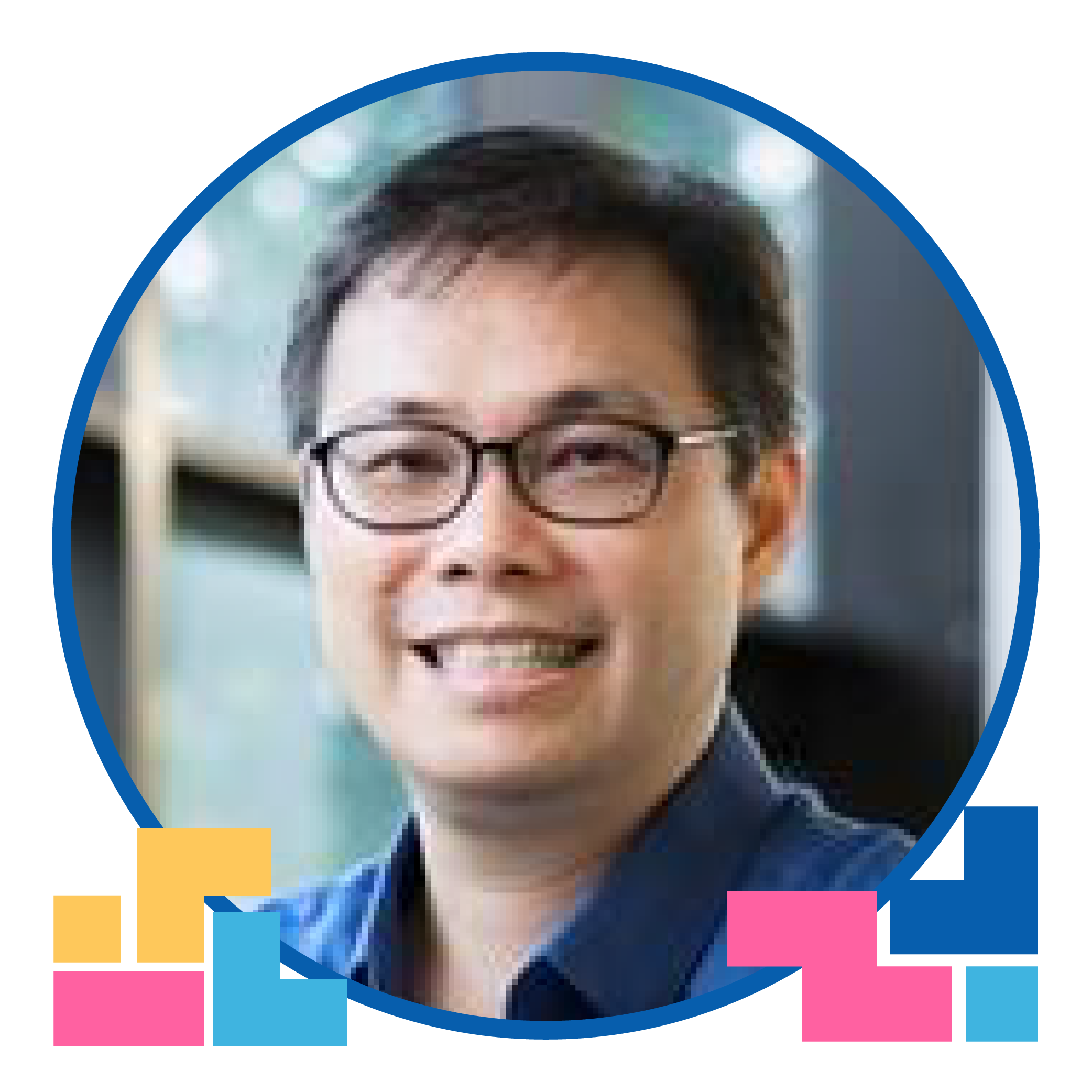
A/P Loy Hui Chieh is from the Department of Philosophy at the NUS Faculty of Arts and Social Sciences, and Vice Dean (Academic Affairs) at NUS College. He is also Chair of the University Policy Workgroup for AI in Teaching and Learning.
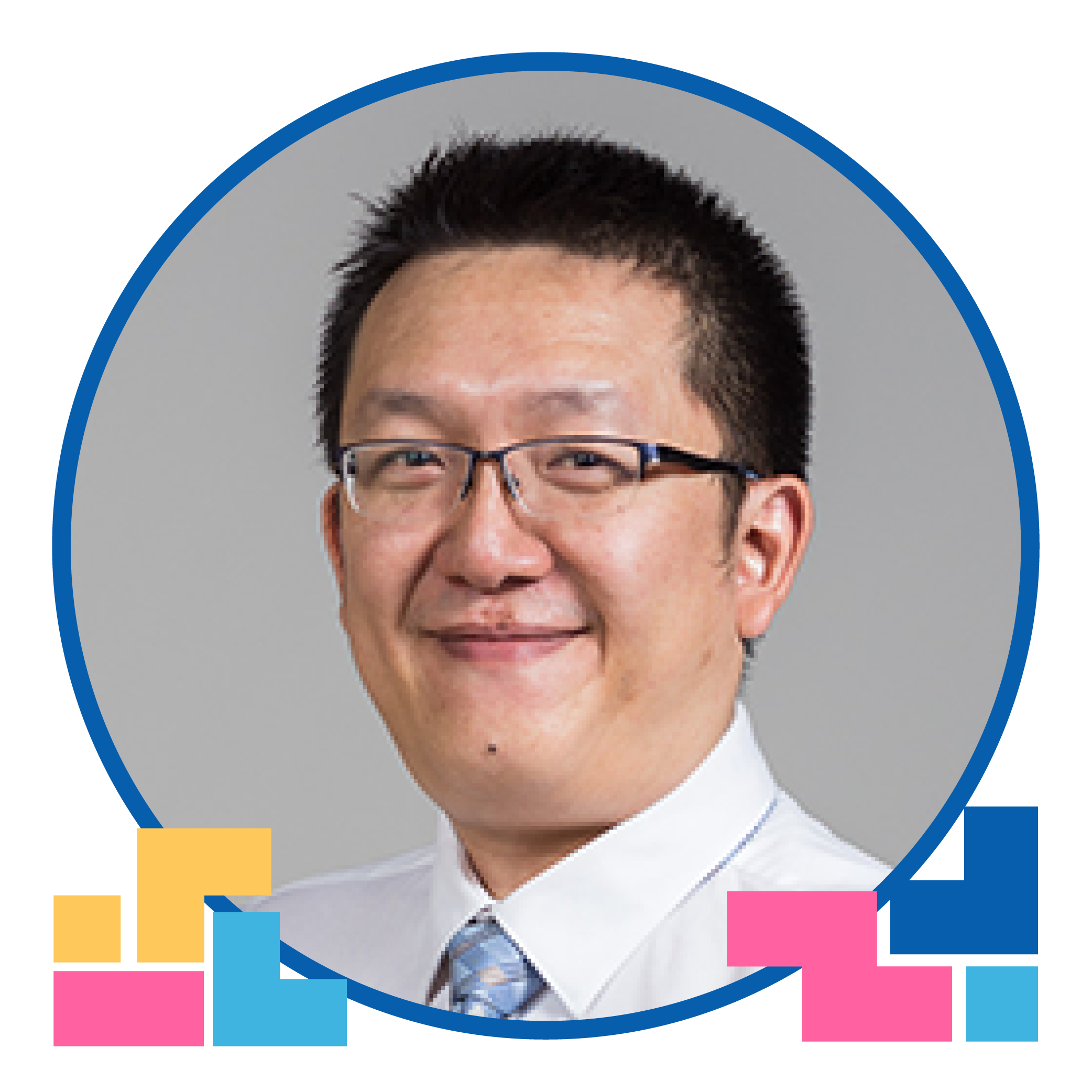
A/P Soo Yuen Jien is from the School of Computing and Director for Teaching and Learning at the Centre for Teaching, Learning and Technology (CTLT). Together with A/P Lee Kooi Cheng, he worked on THE1005 Guide to Use of Generative AI Tools, an online course guiding students on effective use of generative AI tools.
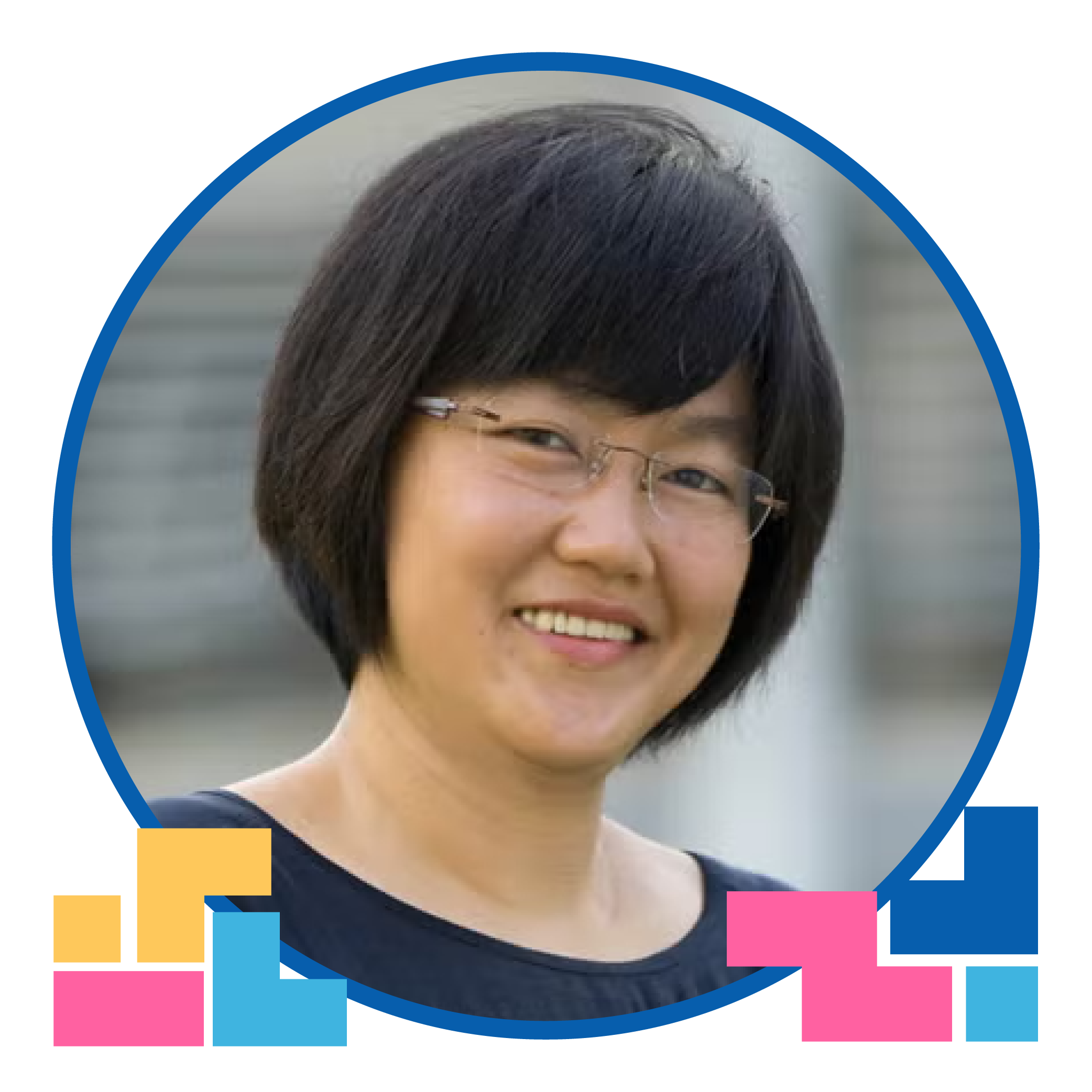
A/P Lee Kooi Cheng is Director of the Centre for English Language Communication, and concurrently Master of Helix House. Together with A/P Soo Yuen Jien, she worked on THE1005 Guide to Use of Generative AI Tools, an online course guiding students on effective use of generative AI tools.
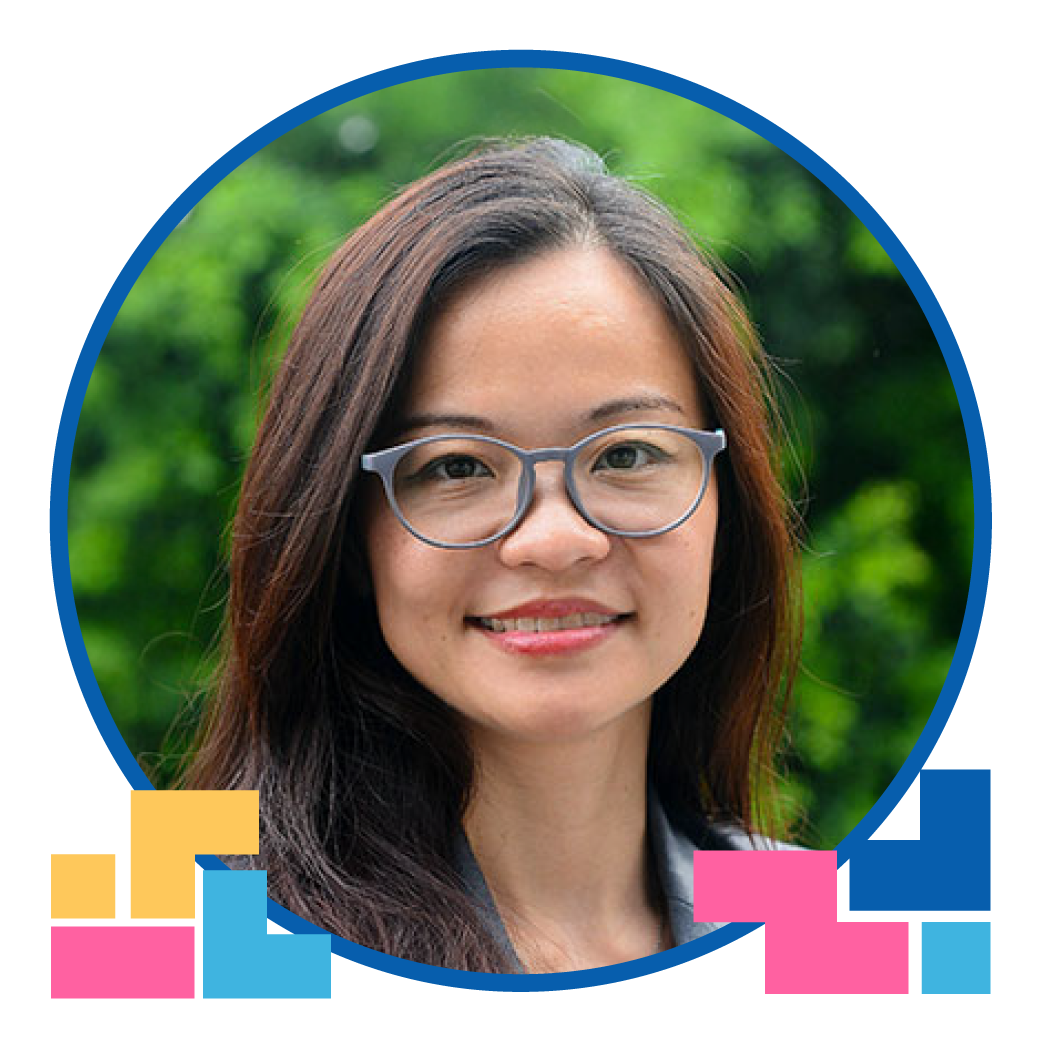
A/P Natalie Pang is University Librarian and concurrently Head of the Department of Communications and New Media. She is also a member of the University Policy Workgroup for AI in Teaching and Learning.
🕐 10am - 10.30am |📍 Seminar Room, Central Library (Level 4)
Some of the most meaningful discoveries happen when we venture beyond the boundaries of our own fields. In this talk, Professor Teng Wah Tong reflects on a research journey that spans chemistry, biology, and engineering—from developing polymers for tissue repair to transforming food waste into renewable energy. Through compelling examples, he shares how his research has gradually evolved—driven by a curiosity in nature-inspired science and a desire to solve real-world problems in biomedical applications, waste management, and sustainability. Discover how stepping beyond one field can open up fresh perspectives, and lead to impactful, innovative solutions.

Yen Wah joined the NUS Department of Chemical and Biomolecular Engineering in 2001 after graduating from the University of Toronto with a PhD in Chemical Engineering. He was appointed as the Musim Mas Chair Professor in Sustainability in 2024. His expertise is in biomaterials research for tissue engineering and bioenergy from food wastes and biomass wastes, with over 300 publications, 18000 citations and a H-index of 80. His recent works in food wastes management have been successfully commercialised, with distributed anaerobic digesters that can be effectively used in cities through a spin-off company from NUS. Yen Wah was the co-Programme Director for a NRF CREATE programme with Shanghai Jiao Tong University (SJTU) on “Energy and Environmental Sustainability Solutions for Megacities”, E2S2-CREATE, a collaborative research programme between NUS and SJTU funded by the Singapore National Research Foundation for S$89 million from 2012 until 2024 on studying coupled problems in megacities related to energy, environment, health and waste.
🕐 11am - 11.30am |📍 Seminar Room, Central Library (Level 4)
Hoping to turn your research into a published academic book? This session provides practical guidance for those looking to navigate the academic publishing landscape with confidence.
Cambridge University Press, one of the world’s leading academic publishers, will shed light on the role university presses play in the global academic publishing ecosystem. It will dive into the key subject areas and book types they published, helping you better align your work with their publishing focus. Finally, the session will take you through the editorial stages of publishing an academic book—from proposal to publication—so you know what the publishers are looking for!

Joe has a degree in civil engineering from NUS and a master’s degree in information studies from NTU, Singapore. He joined Cambridge in May 2014 and worked at various global commercial publishers previously. Joe welcomes proposals for research monographs in Law, Economics, and Public Policy from authors based in Singapore and East Asia.
🕐 12pm - 12.30pm |📍 Seminar Room, Central Library (Level 4)
In today’s fast-paced research environment, staying informed without getting overwhelmed is key. This session will introduce you to the latest smart tools, including generative AI features, that boosts your research.
Wherever you are at your Scientific research lifecycle, these tools will help you work faster and smarter.

🕐 1pm - 1.30pm |📍 Seminar Room, Central Library (Level 4)
The world is diverse—and to solve its most pressing challenges, research must be inclusive. From accessible digital resources in libraries to equitable publishing practices, inclusion should be built into every stage of the research lifecycle. Drawing on her background in healthcare publishing, the speaker will explore how the industry is co-designing inclusive approaches through platform design, editorial policies, and tailored author support. Be part of this conversation in making research and publishing more inclusive and equitable.

🕐 2pm - 2.45pm |📍 Seminar Room, Central Library (Level 4)
The emerging field of digital humanities is increasingly popular among undergraduates, offering a valuable combination of technical skills and soft skills that enhance employability. However, with the wide range of digital tools, content, and approaches available—and limited time to explore them all—learning can be challenging. The Gale Digital Scholar Lab helps address this with a one-stop platform for digital humanities research. Its latest built-in course, Introduction to Digital Humanities, now makes it even easier for learners to gain the skills needed to start and run their own projects.

🕐 3pm - 3.45pm |📍 Seminar Room, Central Library (Level 4)
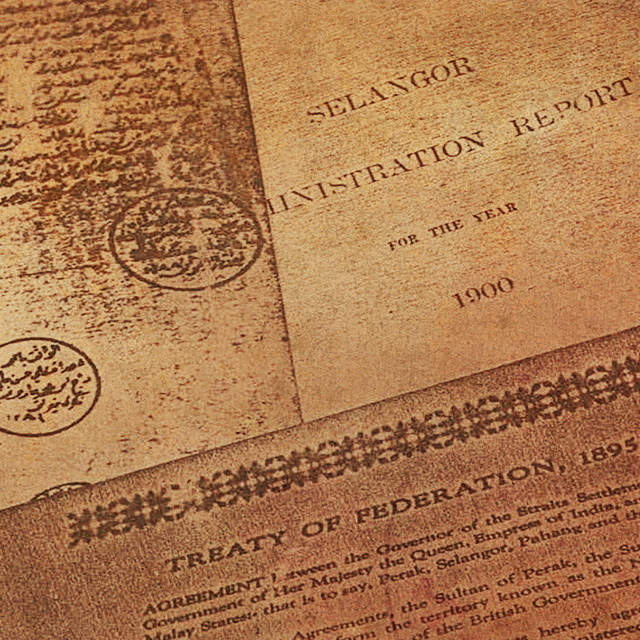
The British Colonial Office records—meticulously documenting a wide range of local issues addressed during the colonial period—offer invaluable insights into Singapore’s past eras. However, researchers wishing to explore their contents often find it challenging to decipher the cursive handwriting used in earlier records. Now, with the advent of Handwritten Text Recognition (HTR) technology, even untrained users can enter simple keywords to search and retrieve relevant documents in a matter of seconds, transforming research. This session will demonstrate how users—including students—can now explore Singapore’s colonial legacy from the convenience of their laptops and make interesting discoveries.
🕐 4pm - 4.30pm |📍 Seminar Room, Central Library (Level 4)
As generative AI becomes common tools in research workflows, it brings new challenges to citation accuracy and academic integrity. This session explores common pitfalls when using AI for literature reviews, writing, and referencing, and offers practical strategies to verify sources, trace original ideas, and cite responsibly. Designed for researchers, the talk emphasises ethical scholarship in the digital age, where trusting AI requires critical thinking, and every citation matters.

🕐 10am - 10.30am |📍 Digital Scholarship Lab, Central Library (Level 4)
Looking to strengthen your research on sustainability and climate change? This session is designed for students, scholars, university staff, and academics at all levels. Discover tips to accessing key primary sources, and learn best practices for finding and using sustainability-focused e-resources. To help you make the most of your research, this session will also highlight key areas of sustainability-related research, and the benefits of open access publishing.

🕐 11am - 11.30am |📍 Digital Scholarship Lab, Central Library (Level 4)
In an era of rapid technological advancement, the legal industry stands at a critical crossroads where tradition meets innovation. This workshop will explore how long-standing legacy practices—often labour-intensive and rigourous—undergo transformative change.
Join us for an insightful session to learn how AI is reshaping legal research, streamlining workflows, and enhancing access to legal resources. The speaker will also be sharing her vision for a future where AI and the traditional practice of law goes hand in hand.

🕐 12pm - 12.45pm |📍 Digital Scholarship Lab, Central Library (Level 4)
Cut to the chase and learn how NUS Libraries' services and resources can help your studies and research. Pick up essential research starter tips and learn how to evaluate, select, and share information resources confidently—just like an expert.
🕐 1pm - 1.45pm |📍 Digital Scholarship Lab, Central Library (Level 4)
How can you cope with studies given the limited time you have? In this interactive session, we will debunk common learning myths, and reveal tips and tricks to become a strategic and effective learner. Get ready to walk away with concrete steps on mastering your own learning, both inside and outside of classroom.

🕐 2pm - 2.30pm |📍 Digital Scholarship Lab, Central Library (Level 4)
Papers that get cited heavily do not happen by chance. They are often the result of deliberate and strategic efforts researchers engage in to amplify their work. Join this workshop to pick up practical strategies in enhancing your academic visibility and influence. You will learn practical strategies in building collaborations across disciplines, optimising publication channels, and leveraging social media to extend the reach of your research in both academic and public spheres.
🕐 2.45pm - 3.15pm |📍 Digital Scholarship Lab, Central Library (Level 4)
Tired of spending hours sifting through research materials? Discover EBSCO's latest AI features designed to streamline your search process:
Find out how these innovations can support a more intuitive and efficient information discovery.

🕐 3.30pm - 4.15pm |📍 Digital Scholarship Lab, Central Library (Level 4)
In this workshop, discover how AI tools within academic databases across disciplines such as Summon Research Assistant (in NUSearch+), Factiva (newspapers), Statista (statistics) and ProQuest (theses and dissertations) transform the way you discover information.
Explore tools that enhance literature searching, understand the impact of data sources on AI outputs, and the necessity of evaluating information quality, while complying with institutional guidelines.
If you'd like to try out some of the tools during the session, we encourage you to bring your own laptop.


🕐 4.30pm - 5pm |📍 Digital Scholarship Lab, Central Library (Level 4)
Struggling to choose the right research method or just starting your research journey? Discover how Sage Research Methods (SRM) can help you find, understand, and apply the right methodology with confidence.
Explore two powerful research tools:
Whether you are a student or a seasoned researcher, learn how SRM supports you in choosing the right methodology, learning solid methodological foundations, and excelling in your research.


