




This site uses cookies
By clicking accept or continuing to use this site, you agree to our use of cookies. For more details about cookies and how to manage them, please see our Privacy Notice.


 Recommend Articles, Books & Other Materials for Purchase
Can’t find a resource you need in our libraries? Send us your request and we’ll source for it
 Intralibrary Loan
Request for a book to be sent to another library within NUS Libraries for collection
 Guides & Tools
Discover our many resources for research, learning and teaching - from how-to guides, to databases and other powerful tools!
 Research Starter-kit
Learn about research tools such as Proxy Bookmarklet, BrowZine, Citation Managers and FindIt! with Google Scholar

At NUS Libraries, our mission is to empower the NUS community by providing access to essential information resources, knowledge networks, and interactive platforms that advance interdisciplinary learning, research, and innovation. We acquire and curate materials that align with the University’s mission, with a strong commitment to enhancing teaching, advancing research, and facilitating learning across all disciplines.
Our goal is to build a comprehensive collection that supports your academic and research needs. Through meticulous acquisition and curation, we ensure that our resources reflect the curricula and research priorities of the University. Our subject librarians and curators continually evaluate and update the collection, taking into account the University’s strategic goals, financial considerations, and our role within the national academic community. We welcome your feedback and focus on content quality to create a collection that meets the diverse needs of the NUS community.
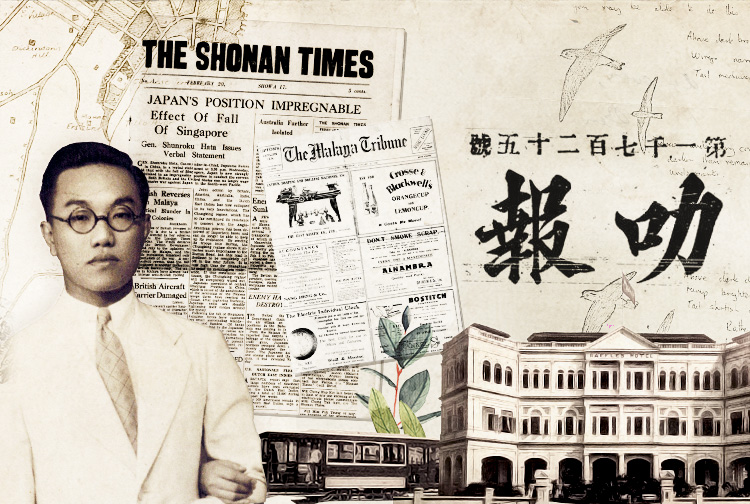
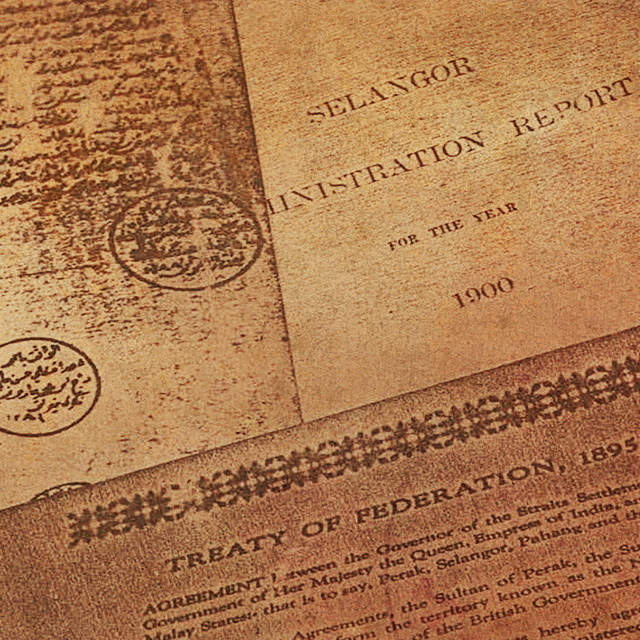
NUS Libraries’ Special Collections offer access to rare and valuable materials, including historical archives and in-depth collections that set our institution apart. These resources are available in various formats and are crucial for both local and international teaching and research. Whether you are engaging in scholarly inquiry or exploring Singaporean and Southeast Asian history, our Special Collections provide unique materials that support your academic endeavours.
Our Special Collections include the Singapore-Malaysia Collection, Southeast Asian Chinese Collection, Rare Books and Manuscripts Collection, University Archives Collection, Private Papers Collection, Natural History Collection, and Colonial Records on Singapore and Malaysia. These resources are strategically developed to enhance your research and learning experiences, providing invaluable support for pedagogy and scholarship. Materials are also collected on Southeast Asia region in English, Chinese, Malay, Indonesian, Japanese; excluding vernacular languages.
The subject profiles listed below outline the principles and collection development practices for resources related to specific academic disciplines or subject areas.
The list is not exhaustive and is subject to regular review and updates to reflect changing academic needs and collection priorities. Additional subject profiles may be introduced as necessary.
1. Purpose of the Collection
The primary goal of the Biological Sciences collection is to support the Department of Biological Sciences’ academic and research needs. Potential audience includes other departments offering courses or engaging in research related to biological sciences.
2. Collections Development Guidelines
3. Subject Scope
Focus is given to the following classification numbers in Library of Congress Classification System:
| LC Classification | Subject |
| QH1-278.5 | Natural History |
| QH301-705.5 | Biology (General) |
| QH359-425 | Genetics |
| QH471-489 | Reproduction |
| QH501-53 | Life |
| QH540-549.5 | Ecology |
| QH573-671 | Cytology |
| QH705-705.5 | Economic Biology |
| QK1-989 | Botany |
| QL1-991 | Zoology |
Due to their relevance to the Biological Sciences curriculum, materials with these medical-related classification numbers are considered selectively:
| LC Classification | Subject |
| QD415-436 | Biochemistry |
| QM1-695 | Human Anatomy |
| QP1-981 | Physiology |
| QR1-502 | Microbiology |
| RM1-950 | Therapeutics, Pharmacology |
1. Purpose of the Collection
The primary goal of the Chemistry collection is to support the Department of Chemistry’s academic and research needs. Potential audience includes other departments offering courses or engaging in research related to Chemistry.
2. Collections Development Guidelines
3. Subject Scope
Focus is given to the following classification numbers in Library of Congress Classification System:
| LC Classification | Subject |
| QD1-65 | General Chemistry |
| QD71-142 | Analytical Chemistry |
| QD146-197 | Inorganic Chemistry |
| QD241-441 | Organic Chemistry |
| QD450-801 | Physical & Theoretical Chemistry |
| QD901-999 | Crystallography |
The following classification numbers may be considered when necessary:
| LC Classification | Subject |
| TP1-TP151 | Chemical Technology (General) |
| TP155-TP156 | Chemical Engineering |
| TP200-TP248 | Chemicals (Manufacture and Use) |
| TP1080-TP1185 | Polymers & Polymer Manufacture |
1. Purpose of the Collection
The Chinese Studies Collection supports educational and research needs in the Department of Chinese Studies. It also extends to related areas like history, philosophy, sociology, and Southeast Asian studies. The collection is designed to provide access to multidisciplinary and interdisciplinary resources and high-quality materials that support teaching and research.
2. Collections Development Guidelines
3. Subject Scope
The Library of Congress Classification subject areas as follows:
| LC Classification | Subject |
| B125-128 | Chinese Philosophy |
| BL1790-1945 | Chinese Religions |
| DS501-518.9 | Southeast Asian History |
| DS701-799.9 | Chinese History & Civilisation |
| HB126 | Chinese Economic History |
| HQ1766-1770 | Chinese Women Studies |
| PL1001-3208 | Chinese Language & Literature |
1. Purpose of the Collection
This collection aims to provide the Department of Communications & New Media with resources necessary for their learning, teaching, and research needs.
2. Collections Development Guidelines
3. Subject Scope
Focus is given to the following classification numbers in Library of Congress Classification System:
| LC Classification | Subject |
| P87–P96 | Communication. Mass Media |
| P94.7 | Interpersonal Communication |
| P95–P95.6 | Oral Communication. Speech |
and other LC classifications relevant to the subject's teaching, learning and research.
1. Purpose of the Collection
The primary aim is to enhance the English language and linguistics collections in both depth and breadth. This would facilitate our goal to support the curriculum and research needs of English language and linguistic related courses and programmes at NUS. This responsibility includes majorly providing material for current teaching and research, including the introduction and development of new teaching programmes and areas of research interest.
2. Collections Development Guidelines
3. Subject Scope
| LC Classification | Subject |
| P1-1099 | Philology & Linguistics |
| P98-98.5 | Computational Linguistics. Natural Language Processing |
| P99-99.4 | Semiotics. Signs & Symbols |
| P101-410 | Language. Linguistic Theory. Comparative Grammar |
| PB1-431 | Modern Languages |
| PE1-3729 | English |
| PJ1-9500 | Oriental Philology & Literature |
| PK1-9601 | Indo-Iranian Philology & Literature |
| PL501-889 | Far Eastern Languages & Literature |
| PL3512 | Malaysian Literature |
| PL3515 | Singapore Literature |
| PN1-6790 | Literature (General) |
| PN80-99 | Criticism |
| PN441-1009.5 | Literary History |
| PN801-820 | Romance Literature |
| PN851-884 | Comparative Literature |
| PN1010-1525 | Poetry |
| PN1600-3307 | Drama |
| PN3311-3503 | Prose. Prose Fiction |
| PR1-9680 | English Literature |
| PR1-56 | Literary History & Criticism |
| PR1490-1799 | Anglo-Saxon Literature |
| PR2199-3195 | English Renaissance (1500-1640) |
| PR3291-3785 | 17th & 18th Centuries (1640-1770) |
| PR3991-5990 | 19th Century, 1770/1800-1890/1900 |
| PR6000-6049 | 1900-1960 |
| PR6050-6076 | 1961-2000 |
| PR6100-6126 | 2001- |
| PS1-3626 | American Literature |
| PS126-138 | Biography, Memoirs, Letters, etc |
| PS185-195 | 17th-18th Centuries |
| PS201-217 | 19th Century |
| PS221-228 | 20th Century |
| PS229-231 | 21st Century |
| PS301-326 | Poetry |
| PS330-353 | Drama |
| PS360-380 | Prose |
| PS700-3576 | Individual Authors |
| PZ1-4 | Fiction in English |
1. Purpose of the Collection
The Dentistry Collection aims to support teaching, learning and research activities pertaining to the Faculty of Dentistry and other departments offering dentistry-related courses.
2. Collections Development Guidelines
3. Subject Scope
| LC Classification | Subject |
| RK1–715 | General Dentistry |
| RK58–59.3 | Practice of Dentistry; Dental Economics |
| RK60.7–60.8 | Preventive Dentistry |
| RK280 | Oral and Dental Anatomy and Physiology |
| RK301–493 | Oral and Dental Medicine; Pathology; Diseases |
| RK331 | Dental Caries (Tooth Decay) |
| RK361 | Periodontics (Gum Diseases) |
| RK501–519 | Operative Dentistry; Restorative Dentistry |
| RK520–528 | Orthodontics |
| RK529–535 | Oral Surgery |
| RK641–667 | Prosthetic Dentistry (Crowns, Bridges, Dentures) |
1. Purpose of the Collection
The primary goal is to build an exhaustive collection in both depth and breadth to support the College of Design and Engineering's teaching, learning, research, and reference needs.
2. Collections Development Guidelines
3. Subject Scope
Architecture
| LC Classification | Subject |
| NA | Architecture |
| NA1530.12 | Architecture in Singapore |
| NA2695-2793 | Architectural Design & Drawing |
| NA2835-4050 | Architectural Details |
| NA9000-9428 | City Planning & Aesthetics |
| NA9253.2 | City Planning in Singapore |
| NK1-9990 | Decorative Arts, including Interior Design |
| HT51-65 | Human Settlements & Communities |
| HT101-178 | City Planning; Urban Renewal & Development |
| HT330-395 | Urbanisation; Metropolitan & Suburban Areas |
| SB469-486 | Landscape Architecture & Gardening; Parks |
| TH845-4977 | Building Construction, Methods, Materials & Technology-Related |
Biomedical Engineering
| LC Classification | Subject |
| QA76.9 Com | Computer Simulation |
| QD415 - 436 | Biochemistry |
| QH301 - 705 | Biology (General) |
| QP1 - 981 | Physiology |
| R1 - 920 | Medicine (General) |
| R856 - 857 | Biomedical Engineering |
| RC1 - 1245 | Internal Medicine |
| TA1501 - 1820 | Applied Optics. Photonics |
| TA164 | Bioengineering |
| TA177.4 - 219 | Engineering (General) |
| TJ265 | Theory of Heat Engines. Thermodynamics |
| TK5102.9 | Signal Processing |
| TP248.3 | Biochemical Engineering. Bioprocess Engineering |
Built Environment
| LC Classification | Subject |
| TA401 - 492 | Construction Materials |
| TA501 - 625 | Surveying |
| TH | Building Construction |
| TX955 | Building Services & Maintenance |
Chemical & Biomolecular Engineering
| LC Classification | Subject |
| QD79 Ins | Instrumental Analysis |
| QD505 | Catalysis |
| QD506 - 509 | Surface Chemistry |
| QD549 - 549.2 | Colloids, Sols, Gels |
| QP517 Bio | Biosynthesis |
| R856 | Biomedical Engineering |
| RM147 | Drugs—Administration |
| RS192 - 210 | Pharmaceutical Technology |
| RS380 | Pharmaceutical Biotechnology |
| RS400 - 431 | Pharmaceutical Chemistry |
| TA177.4 - 219 | Engineering (General) |
| TD1 - 9999 | Environmental Technology. Sanitary Engineering |
| TP1 - 1185 | Chemical Technology |
Civil Engineering
| LC Classification | Subject |
| TA1 - 2040 | Engineering (General). Civil Engineering (General) |
| TA174 - 177.3 | Engineering Design |
| TA190 - 194 | Management of Engineering Works |
| TA221 - 327 | Engineering Law |
| TA439 - 446 | Concrete |
| TA495 | Disasters & Engineering |
| TA501 - 625 | Surveying |
| TA630 - 695 | Structural Engineering (General) |
| TA703 - 712 | Engineering Geology, Rock Mechanics. Soil Mechanics, Underground Construction |
| TA715 - 787 | Earthwork. Foundations |
| TA800 - 820 | Tunneling. Tunnels |
| TA1001 - 1280 | Transportation Engineering |
| TC1 - 978 | Hydraulic Engineering. Coastal Engineering |
| TE1 - 450 | Highway Engineering. Roads & Pavements |
| TF1 - 1620 | Railroad Engineering & Operation |
| TG1 - 470 | Bridge Engineering |
| TN1 - 997 | Mining Engineering |
Electrical & Computer Engineering
| LC Classification | Subject |
| QA74 - 74.6 | Computer Science (General) |
| QA75.5 - 76.95 | Computers (General), Electronic Data Processing, Computer Software, etc. |
| QA267 - 268.5 | Machine Theory |
| QC501 - 721 | Electricity |
| T174.7 | Nanotechnology |
| T385 | Computer Graphics |
| TA177.4 - 219 | Engineering (General) |
| TA165 - 328 | Engineering Instruments |
| TA329 - 348 | Engineering Mathematics |
| TK1 -1000 | Electrical Engineering (General) |
| TK5101 - 5105.9 | Telecommunication |
| TK7800 - 7895 | Electronics |
| TK7885 - 7895 | Computer Engineering |
| TK8300 - 9000 | Optoelectronic Devices |
Environmental Engineering
| LC Classification | Subject |
| TA170 - 171 | Environmental Engineering |
| TA174 - 177.3 | Environmental Design |
| TA177.4 - 219 | Engineering (General) |
| TA221 - 327 | Engineering Law |
| TC1 - 978 | Hydraulic Engineering |
| TD1 - 1066 | Environmental Technology |
Industrial Design
| LC Classification | Subject |
| NB1160-1195 | Designs & Technique |
| NC1-1940 | Drawing. Design. Illustration |
| NK1-(9990) | Decorative Arts |
| NX1-820 | Arts in General |
| TS171 | Product Design. Industrial Design |
Industrial Systems & Management
| LC Classification | Subject |
| HD38.5 | Business Logistics |
| HD62.15 | Total Quality Management |
| HE199 - 199.5 | Freight (General) |
| QA276.12 | Elementary Texts. Including Descriptive Statistics |
| T54 - 55.3.Z | Industrial Safety. Industrial Accident Prevention |
| T55.4 - 60.8 | Industrial Engineering |
| TA165 - 165.9 | Engineering Instruments, Meters, etc. Industrial Instrumentation |
| TA166 - 167 | Human Engineering |
| TA168 - 169.9 | Systems Engineering |
| TA174 - 177.3 | Engineering Design |
| TA177.4 - 219 | Engineering (General) |
| TA329 - 348 | Engineering Mathematics. Engineering Analysis |
| TJ212 - 225 | Control Engineering Systems. Automatic Machinery (General) |
| TS155 - 194 | Production Management. Operations Management |
Materials Science & Engineering
| LC Classification | Subject |
| QC173.28 - 173.458 | Properties of Matter & Antimatter (General) |
| QC176 - 176.9 | Solids. Solid State Physics |
| QC610.9 - 611.8 | Semiconductor Physics |
| QD171 - 172 | Metals (Chemistry) |
| QD380 - 388 | Polymers. Macromolecules |
| QD478 | Solids. Solid State Chemistry |
| R857 | Biomaterials |
| TA177.4 - 219 | Engineering (General) |
| TA401 - 404.5 | Materials of Engineering & Construction |
| TA404.8 - 418.84 | Specific Characteristics of Materials |
| TA418.9 | Materials of Special Composition or Structure (including Composites, Manomaterials, Thin Films) |
| TA418.95 - 455.2 | Non-metallic Materials |
| TA430 | Ceramic Materials |
| TA431 - 446 | Artificial Materials |
| TA447 | Pipes of Cement, Concrete & Clay |
| TA448 | Plastic Pipes |
| TA450 - 454 | Glass |
| TA455 - 458 | Other Non-metallic Materials (including Ceramics, Polymers) |
| TA459 - 492 | Metals |
| TK452 - 454.4 | Electric Apparatus & Materials |
| TK7871.85 - 7871.99 | Semiconductors |
| TK7871 - 7871.15 | Materials (General) |
| TN600 - 799 | Metallurgy |
| TN799.5 - 948 | Nonmetallic Minerals |
| TP1080 - 1185 | Polymers & Polymer Manufacture |
| TS200 - TS770 | Metal Manufactures. Metalworking |
Mechanical Engineering
| LC Classification | Subject |
| QA75.5 - 76.95 | Heat |
| QC176.8 | Nanostructures |
| QC319.8 - 349 | Heat Transfer |
| T351 - 385 | Mechanical Drawing. Engineering Graphics |
| TA174 | Engineering Design |
| TA177.4 - 219 | Engineering (General) |
| TA349 - 359 | Applied Mechanics |
| TA401 - 494 | Materials of Engineering |
| TA1205 | Urban Transportation |
| TL1 - 499 | Motor Vehicles |
| TJ1 - 1570 | Mechanical Engineering & Machinery |
| TJ170-179 | Machine Theory |
| TJ265 | Thermodynamics |
| TL500 - 777 | Aeronautics. Aeronautical Engineering |
| TS1 - 2301 | Manufactures |
1. Purpose of the Collection
The Economics Collection aims to support the learning and research endeavours in the Department of Economics, College of Humanities and Sciences, and other departments offering economics-related courses.
2. Collections Development Guidelines
3. Subject Scope
The Economics collection is aligned to the Economics Department’s teaching and research activities and are based on the Course Listings and Research pages on the Department/Programme website(s). The following classification numbers in Library of Congress Classification System (LOCCS) outlines the broad spectrum of economic subject areas of the collection:
| LC Classification | Subject |
| HA1-4737 | Statistical Methodology for Social Sciences, Statistical Bureaus, Universal & Regional Statistics |
| HB1-3840 | Macroeconomics, Microeconomics, Econometrics, Quantitative Economics, Game Theory, Schools of Economic Thought |
| HC10-1085 | Special Topics in Economics e.g. Country Development, Environmental Economics, AI & Big Data |
| HD28-9999 | Industrial Organisation, Managerial Economics, Labour Economics, Behavioral Sciences in Economics |
| HF1-6182 | International Trade, International Finance |
| HG1-9999 | Corporate Finance, Monetary Economics, Banking & Financial Economics |
| HJ9-9940 | Public Finance, Budget, Tax, Expenditure |
| HT51-5195 | Urban Economics |
| RA410 | Medical Economics |
| LC65-70 | Education Economics |
1. Purpose of the Collection
The primary goal of the Environmental Studies collection is to support the Bachelor of Environmental Studies (BES) Programme Office’s academic and research needs. Potential audience includes other departments offering courses or engaging in research related to Environmental Studies.
2. Collections Development Guidelines
3. Subject Scope
Focus is given to the following classification numbers in Library of Congress Classification System:
| LC Classification | Subject |
| QC981.8 | Climate Change |
| GE1-350 | Environmental Sciences |
| K3581-3598 | Environmental Law |
| QH75-77 | Nature Conservation |
| TD169-171.8 | Environmental Protection |
| TD172-193.5 | Environmental Pollution |
| TD194-195 | Environmental Effects of Industries and Plants |
| TD878-894 | Special Types of Environment (Including Pollutions) |
1. Purpose of the Collection
The primary goal of the collection is to build an exhaustive collection in both depth and breadth to support the teaching, learning, research, and reference needs of students and faculty of the Department of Food Science & Technology.
2. Collections Development Guidelines
3. Subject Scope
| LC Classification | Subject |
| TP368 – TP456, TX341 – TX641 | Food Science & Technology |
| QR115– QR129 | Food Microbiology |
| TP437-TP449 | Food Chemistry |
| TP370 – TP456 | Food Processing |
| QP141-QP185, TX341-TX392 | Human Nutrition |
1. Purpose of the Collection
The purpose of the collection is to support the teaching, learning and research activities pertaining to the Department of Geography and other departments offering geography-related courses.
2. Collections Development Guidelines
3. Subject Scope
Broad Library of Congress Classification for Geography:
| LC Classification | Subject |
| G-GF | Geography |
| HF1025 | Economic Geography |
| GF | Human Geography |
| GB | Physical Geography |
| G70 | Geographic Information Systems |
1. Purpose of the Collection
The aim of the collection is to support teaching, learning and research activities pertaining to the Department of History at the Faculty of Arts and Social Sciences, the College of Humanities and Sciences, and other departments offering history-related courses and facilitating research on histories
2. Collections Development Guidelines
3. Subject Scope
The History collection is aligned with the Faculty’s teaching and research activities, and is based on the Course Listings and Research pages on its website. Some of these include but is not limited to business history, military history, overseas Chinese, topics encompassing the Nusantara, Cold War in Asia, South Asia history, empire history, East Asia history, environmental history, and modern European history.
1. Purpose of the Collection
The primary goal of the Japanese Studies collection is to address both multidisciplinary and interdisciplinary educational and research needs for the Department of Japanese Studies, and Japanese language studies modules at the Centre for Language Studies.
2. Collections Development Guidelines
3. Subject Scope
Covers a broad spectrum within the Library of Congress Classification System, with a primary focus on the following classification numbers:
| LC Classification | Subject |
| B135-138 | Japanese Philosophy |
| BL2195-2228 | Japanese Religions |
| DS501-518.9 | Southeast Asian History & Civilization |
| DS801-897 | Japanese History & Civilisation |
| HB126.J3 | Japanese Economic History |
| HN721-730 | Japanese Social History |
| HQ1761-1765 | Japanese Women Studies |
| JQ1500-1519 | Japanese Politics |
| PL501-889 | Japanese Language & Literature |
| PL3512-3512.9 | Malaysian Literature |
| PL3515-3515.9 | Singapore Literature |
1. Purpose of the Collection
The primary goal of the Law Library is to build an exhaustive collection in both depth and breadth in order to:
2. Collections Development Guidelines
3. Subject Scope
The Law Library collection is aligned to the Faculty of Law’s teaching and research activities, and acquisitions are based on the Course Listings and Research pages on the Faculty’s website. In addition, books on novel and emerging areas of law are acquired in order to ensure that the Law Library collection is kept up-to-date and relevant. For non-law subjects, only the monographs that are essential for the interdisciplinary courses will be selected.
1. Purpose of the Collection
The primary goal of the collection is to support the teaching, learning and research activities pertaining to the NUS Business School’s Department of Marketing’s undergraduate and graduate divisions. It also supports teaching, study and research in marketing courses and marketing related research outside of NUS Business School.
2. Collections Development Guidelines
3. Subject Scope
| LC Classification | Subject |
| HF5415-5415.9 | Marketing |
| HD9980.5 | Services Marketing |
| HC79 | Economics Special Topics |
| HD69 | Industries - Others |
| HF1416 | International Marketing |
| HD30.28 | Business Planning |
| HB144 | Game Theory |
| HB74 | Economic Theory |
| BF441 | Cognition |
| HB801 | Consumption & Demand |
| HF5801-6182 | Advertising |
| HF5428-5429.6 | Retail |
1. Purpose of the Collection
The primary goal of the collection is to build an exhaustive collection in both depth and breadth in order to support the teaching, learning, research, and reference needs of students and faculty of the Department.
2. Collections Development Guidelines
3. Subject Scope
| LC Classification | Subject |
| HG106 | Finance – Mathematical Models |
| HG4515.3 | Investments—Mathematics |
| QA9 – QA10.3 | Mathematical Logic |
| QA150 – QA255 | Algebra |
| QA164 – QA167.2 | Combinatorics Analysis |
| QA166 - QA166.245 | Graph Theory |
| QA241 -QA246 | Number Theory |
| QA248 | Set Theory |
| QA297 – QA299.4 | Numerical Analysis |
| QA299.6 - QA433 | Mathematical Analysis |
| QA300 - QA316 | Calculus |
| QA370 – QA379 | Differential Equations |
| QA401 | Mathematical Models |
| QA440 – QA699 | Geometry, Trigonometry and Topology |
| QA801 – QA935 | Analytic Mechanics – Mathematic Works |
1. Purpose of the Collection
The primary goal of the collection is to support the teaching, learning and research activities pertaining to the Yong Loo Lin School of Medicine and other departments offering medicine-related courses.
2. Collections Development Guidelines
3. Subject Scope
| LC Classification | Subject |
| R | General Medicine |
| RA | Public Aspects of Medicine |
| RB | Pathology |
| RC | Internal Medicine |
| RD | Surgery |
| RE | Opthalmology |
| RF | Ear, Nose & Throat |
| RG | Gynecology, Obstetrics |
| RJ | Pediatrics |
| RL | Dermatology |
| RM | Therapeutics, Pharmacology |
1. Purpose of the Collection
The primary goal of the Music collection is to:
2. Collections Development Guidelines
For music scores:
For sound recordings and video recordings:
3. Subject Scope
The Library of Congress (LC) Classification System in the table below shows the classification numbers used for the broad spectrum of music:
| LC Classification | Subject |
| Subclass M | Music |
| M1-3.3 | Collections |
| M5-1480 | Instrumental Music |
M1495-2199 | Vocal Music |
| Subclass M | Literature on Music |
| ML1-3930 | Literature on Music |
| ML159-3785 | History & Criticism |
| ML3797-3799.5 | Musical Research |
| ML3800-3923 | Philosophical & Societal Aspects of Music. Physics & Acoustics of Music. Physiological Aspects of Music |
| ML3928-3930 | Literature for Children |
| Subclass MT | Instruction and Study |
| MT1-960 | Instruction & Study |
| MT170-810 | Instrumental Techniques |
| MT820-915 | Singing & Vocal Technique |
| MT955-956 | Musical Theater |
1. Purpose of the Collection
This collection aims to support the teaching, learning and research activities pertaining to the Alice Lee Centre for Nursing Studies and other departments offering medicine-related courses.
2. Collections Development Guidelines
3. Subject Scope
| LC Classification | Subject |
| RC954 | Geriatric Nursing |
| KD2968, KF2915 | Law, Legal & Ethical Issues in Nursing |
| RC521 | Dementia |
| RT49 | Nursing Care Plans |
| RS51, RM301.12 | Drugs – Handbook |
| RD92, RD93 | Emergency Surgery. Wounds & Injuries |
| RG951 | Maternity Nursing |
| RT81.5 | Nursing – Research |
| RT41 | Nursing (General) |
| RT120 | Nursing Critical Illness |
| RT48.6 | Nursing Diagnosis – Handbooks |
| RT85 | Nursing Ethics |
| RT55 | Nursing – Examinations, Questions, etc. |
1. Purpose of the Collection
The primary goal of the collection is to build an exhaustive collection in both depth and breadth to support the teaching, learning, research, and reference needs of students and faculty of the Department.
2. Collections Development Guidelines
3. Subject Scope
| LC Classification | Subject |
| RM1-950 | Therapeutics. Pharmacology |
| RS1-441 | Pharmacy and Materia Medica |
| QD146-197 | Inorganic Chemistry |
| QD241-441 | Organic Chemistry |
1. Purpose of the Collection
The primary goal is to build the Philosophy collection in both depth and breadth. The College of Humanities and Sciences (CHS) programme, and Philosophy major and minor programmes seek to enhance undergraduate experience for students. As such, the collection is curated to support this diverse curriculum, as well as the research needs of subject-related courses/programmes at NUS. This responsibility includes providing material for current teaching and research, taking into account the introduction and development of new teaching programmes and areas of research interests.
2. Collections Development Guidelines
3. Subject Scope
| LC Classification | Subject |
| B1-5802 | Philosophy (General) |
| B69-99 | General Works |
| B108-5802 | By Period |
| B108-708 | Ancient |
| B720-765 | Medieval |
| B770-785 | Renaissance |
| B790-5802 | Modern |
| B808-849 | Special Topics & Schools of Philosophy |
| B850-5739 | By Region or Country |
| B5800-5802 | By Religion |
1. Purpose of the Collection
The primary goal of the collection is to build an exhaustive collection in both depth and breadth in order to support the teaching, learning, research, and reference needs of students and faculty of the Department.
2. Collections Development Guidelines
3. Subject Scope
| LC Classification | Subject |
| QB460-QB466 | Astrophysics |
| QB980-QB991 | Cosmology |
| QC 1 – QC999 | Physics |
| QC 170–197 | Atomic Physics |
| QC171 - QC197 | Condensed Matter Physics |
| QC173.96 - QA174.52 | Quantum Theory |
| QC176.8.N35 | Nanoscience |
| QC501-QC766 | Electricity and Magnetism |
| QC770-QC798 | Nuclear & Particle Physics |
| QC801-QC809 | Geophysics |
| QC851-QC999 | Meteorology/Climatology |
| QH505 | Biophysics |
| T174.7 | Nanotechnology |
| TA401-TA492 | Materials Science |
| TA418.9.N35 | Nanostructured Materials |
1. Purpose of the Collection
The primary goal is to build the Political Science collection in both depth and breadth, to support the curriculum and research needs of NUS' Political Science-related courses and programmes. This responsibility includes providing material for current teaching and research, taking into account the introduction and development of new teaching programmes and areas of research interest.
2. Collections Development Guidelines
3. Subject Scope
| LC Classification | Subject |
| JA1-92 | Political Science (General) |
| JA1-26 | Periodicals |
| JA27-34 | Societies |
| JA35.5 | Congresses |
| JA60-64 | Dictionaries & Encyclopedias |
| JA71-80 | Theory. Relations to Other Subjects |
| JA81-84 | History |
| JA86-88 | Study & Teaching. Research |
| JA92 | Collective Biography of Political Scientists |
| JZ5-6530 | International Relations (General) |
| JZ24-38 | Societies, Associations, and Institutes for the Study of International Relations |
| JZ63-1153 | Sources |
| JZ1249-1254 | Relation to Other Disciplines & Topics |
| JZ1305-2060 | Scope of International Relations. Political Theory. Diplomacy |
| JZ3686-3875 | International Waters |
| JZ4835-5490 | International Organisations & Associations |
| JZ4841-4848 | Political Non-governmental Organisations. NGOs |
| JZ4850-5490 | Intergovernmental OrganiSations. IGOs |
| JZ6530 | Humanitarian Aspects of War |
1. Purpose of the Collection
The primary aim is to enhance the Psychology collection in both depth and breadth. This would facilitate our goal to support the curriculum and research needs of psychology-related courses and programmes at NUS. This responsibility includes providing material for current teaching and research, including the introduction and development of new teaching programmes and areas of research interest.
2. Collections Development Guidelines
3. Subject Scope
| LC Classification | Subject |
| BF1-990 | Psychology |
| BF173-175.5 | Psychoanalysis |
| BF180-198.7 | Experimental Psychology |
| BF203 | Gestalt Psychology |
| BF309-499 | Consciousness. Cognition |
| BF501-505 | Motivation |
| BF636-637 | Applied Psychology |
| BF698-698.9 | Personality |
| BF712-724.85 | Developmental Psychology |
| BF908-940 | The Hand. Palmistry |
| BF1001-1389 | Parapsychology |
1. Purpose of the Collection
To support teaching, learning and research activities pertaining to the NUS Saw Swee Hock School of Public Health.
2. Collections Development Guidelines
3. Subject Scope
| LC Classification | Subject |
| RA | Public Health |
| RA428-428.5 | Public Health Laboratories, Institutes, etc. |
| RA440-440.87 | Study and Teaching of Public Health, Research |
| RA565-600 | Environmental Health, including Air Pollution and Water Supply |
| RA601-602 | Food and Food Supply in Relation to Public Health |
| RA638 | Immunity and Immunization in Relation to Public Health |
| RA639-642 | Transmission of Disease |
| RA645.3-645 | Disease (Communicable and Noninfectious) and Public Health |
| RA645.5-645.9 | Emergency Medical Services |
| RA648.5-767 | Epidemics. Epidemiology. Quarantine. Disinfection |
| RA790-790.95 | Mental Health. Mental Illness Prevention |
| RA960-1000.5 | Medical Centers. Hospitals. Dispensaries. Clinics including Ambulance Service, Nursing Homes, Hospices |
| RA1001-1171 | Forensic Medicine. Medical Jurisprudence. Legal Medicine |
| RA1190-1270 | Toxicology. Poisons |
1. Purpose of the Collection
The primary goal of the Public Policy collection is to:
2. Collections Development Guidelines
3. Subject Scope
The Library of Congress (LC) Classification System in the table below shows the classification numbers used for the broad spectrum of Public Policy and Law. Public policy subject headings can also be found in various other sections of LC system such as Social Sciences, Education, Science, Medicine, Technology.
| LC Classification | Subject |
| Subclass J | General Legislative & Executive Papers |
| J100-981 | General Legislative & Executive Papers |
| Subclass JA | Political Science (General) |
| JA1-92 | Political Science (General) |
| Subclass JQ | Political Institutions & Public Administration (Asia, Africa, Australia, Pacific Area, etc.) |
| JQ21-1852 | Asia |
| Subclass JS | Local Government |
| JS6950-7520 | Asia |
| Subclass JV | Emigration & Immigration. International Migration |
| JV8490-8758 | Asia |
| Subclass KP | Asia & Eurasia, Africa, Pacific Area, and Antarctica |
| KPP1-499 | Singapore |
| Subclass K | Law in General. Comparative & Uniform Law. Jurisprudence |
| K201-487 | Jurisprudence. Philosophy & Theory of Law |
| K(520)-5582 | Comparative Law. International Uniform Law |
| K486-487 | Relation of Law to Other Topics |
| K1700-1973 | Social Legislation |
| K3150 | Public Law |
| K3154-3370 | Constitutional Law |
| K3400-3431 | Administrative Law |
| K3566-3578 | Public Health |
| K3581-(3598) | Environmental Law |
| K3601-3611 | Medical Legislation |
| e.t.c. e.t.c. | |
| Subclass KZ | Law of Nations |
| KZ2-6795 | Law of Nations |
1. Purpose of the Collection
The collection’s primary purpose is to support teaching and research in Singapore Studies, in alignment with the research interests of the Singapore Studies Programmes. Materials collected pertaining to Singapore is part of the broader Singapore/Malaysia Collection within NUS Libraries.
2. Collections Development Guidelines
3. Subject Scope
Courses on Singapore studies are offered across the campus by various NUS departments. These courses form the Singapore Studies pillar within the university’s General Education curriculum.
1. Purpose of the Collection
The primary goal is to build the Social Work collection in both depth and breadth, to support the curriculum and research needs of NUS’ Social Work-related courses and programmes. This responsibility includes primarily providing material for current teaching and research, considering the introduction and development of new teaching programmes and areas of research interest.
2. Collections Development Guidelines
3. Subject Scope
| LC Classification | Subject |
| HV40-69 | Social Service. Social Work. Charity Organisation & Practice |
| HV85-525 | By Region or Country |
| HV544.5 | International Social Work |
| HV599-639 | Special Types of Disasters |
| HV697-4959 | Protection, Assistance & Relief |
| HV701-1420.5 | Children |
| HV888-907 | Children with Disabilities |
| HV1442-1448 | Women |
| HV1450-1494 | Aged |
| HV1551-3024 | People with Disabilities |
| HV5001-5720.5 | Alcoholism |
| HV5800-5840 | Drug Habits. Drug Abuse |
| HV6001-7220.5 | Criminology |
| HV7428 | Social Work with Delinquents & Criminals |
| HV8301-9920.7 | Penology. Prisons. Corrections |
1. Purpose of the Collection
The primary goal is to build the Sociology and Anthropology collection in both depth and breadth, to support the curriculum and research needs of subject-related courses and programmes at NUS. This responsibility includes providing material for current teaching and research, while taking into account the introduction and development of new teaching programmes and areas of research interest.
2. Collections Development Guidelines
3. Subject Scope
| LC Classification | Subject |
| GN | Anthropology |
| GN49-298 | Physical Anthropology. Somatology |
| GN51-59 | Anthropometry |
| GN62.8-265 | Human Variation |
| GN269-279 | Race (General) |
| GN301-674 | Ethnology. Social & Cultural Anthropology |
| GN357-367 | Culture & Cultural Processes |
| GN406-517 | Cultural Traits, Customs, and Institutions |
| GN448-450.8 | Economic Organisation. Economic Anthropology |
| GN451-477.7 | Intellectual life |
| GN478-491.7 | Social Organisation |
| GN492-495.2 | Political Organisation. Political Anthropology |
| GN495.4-498 | Societal Groups, Ethnocentrism, Diplomacy, Warfare, etc. |
| GN502-517 | Psychological Anthropology |
| GN537-674 | Ethnic Groups & Races |
| HM | Sociology (General) |
| HN | Social History & Conditions. Social Problems. Social Reforms |
| HQ | The Family. Marriage. Women |
| HS | Societies: Secret, Benevolent, etc |
| HT | Communities. Classes. Races |
| HV | Social Pathology. Social & Public Welfare. Criminology |
| HX | Socialism. Communism. Anarchism |
1. Purpose of the Collection
The SEAS Collection is developed to support undergraduate and postgraduate teaching, learning, and advanced research relating to Southeast Asia. It provides resources on histories, societies, cultures, and contemporary issues of the region’s individual countries as well as cross-regional dynamics. The collection serves the needs of SEAS students and faculty, as well as scholars from related disciplines such as sociology, political science, literature, history, economics, geography, religious studies, and Asian studies. It also supports users with interests in area studies, heritage, ethnography, linguistics, and regional development.
2. Collections Development Guidelines
3. Subject Scope
The scope of Southeast Asian Studies encompasses a wide range of disciplinary perspectives focused on the region. Key areas include anthropology, ethnography, and cultural studies; history and historiography; religion and belief systems; literature and performing arts; political systems and governance; regional economies; environmental studies and geography; gender and sexuality; migration and diaspora studies; heritage and material culture; and colonial and postcolonial studies. The collection also supports the study of regional languages and the broader cultural and linguistic networks that shape the Malay world and mainland Southeast Asia.
1. Purpose of the Collection
The primary goal of the collection is to build an exhaustive collection in both depth and breadth in order to support the teaching, learning, research, and reference needs of students and faculty of the Department.
2. Collections Development Guidelines
3. Subject Scope
| LC Classification | Subject |
| HA29-HA32 | Social Sciences Statistical Methods |
| HA154-HA4737 | Statistical Data |
| Q325.5 | Machine Learning |
| Q325.73 | Deep Learning |
| Q334-Q342, TA347.A78 | Artificial Intelligence |
| QA76.9B45 | Big Data |
| QA76.9.Q36 | Data Analysis (Quantitative Research), Predictive Analytics |
| QA76.9.I52 | Data Visualization (Information Visualization) |
| QA273-QA274.9 | Probabilities |
| QA273.43 | Probability Theory on Algebraic and Topological Structures |
| QA273.5 | Geometric Probability, Stochastic Geometry and Random Sets |
| QA273.6 | Probability Distributions |
| QA276-QA280 | Mathematical Statistics (including Statistical Inference) |
| QA278-QA278.8 | Multivariate and Regression Analysis |
| ST5207 | Nonparametric Regression |
